

Groups that run HubSpot as their CRM and Google Advertisements as their promoting engine normally uncover the identical issues inside 1 / 4:
-
advert spend stories in Google Advertisements present clicks and conversions, however the CRM tells a unique story about which leads really closed,
Nevertheless, the 2 platforms ended up coexisting (a advertising workforce selecting Google Advertisements for paid acquisition whereas gross sales and ops run on HubSpot, or a corporation standardizing on HubSpot’s CRM whereas maintaining Google Advertisements as its main demand channel), the longer they function independently, the broader the hole between what advertising spends and what really generates income.
Connecting HubSpot and Google Advertisements closes that hole.
Offline conversion knowledge flows from HubSpot into Google Advertisements so Good Bidding optimizes towards leads that grew to become clients, not type fills. Buyer Match audiences sync from HubSpot’s CRM segments into Google Advertisements so advert focusing on displays actual lifecycle levels and deal outcomes.
Advert efficiency knowledge flows again into HubSpot so entrepreneurs can attribute income to particular campaigns with out switching between platforms.
HubSpot provides a native Google Advertisements integration that connects each platforms straight. For groups needing extra versatile automation, Zapier can bridge particular workflows, and Google Advertisements’ Knowledge Supervisor gives a direct HubSpot connection for offline conversion import and viewers sync. Every technique differs in setup complexity, sync course, knowledge protection, and value.
One drawback no connection technique solves: the mixing syncs information and conversion occasions, nevertheless it doesn’t enhance the standard of the contact knowledge flowing between each methods.
That’s the place ZoomInfo is available in. ZoomInfo integrates natively with each HubSpot and Google Advertisements, and provides API and MCP entry that may feed verified, enriched contact and firm knowledge into any system, so the information behind each advert click on and CRM workflow are correct and full earlier than the sync strikes them.
This text covers the complete panorama of the HubSpot-Google Advertisements integration: which strategies can be found, what knowledge each handles, learn how to set them up, the use instances that justify connecting each platforms, and the restrictions to plan for.
It additionally covers how ZoomInfo suits into the image as an information enrichment layer that strengthens the information flowing between HubSpot and Google Advertisements.
Let’s begin with an outline of the mixing.
Integration Overview
Supply: YouTube
Does a local integration exist?
Sure. HubSpot provides a native Google Advertisements integration accessible by the HubSpot App Market. The mixing connects a Google Advertisements account to HubSpot for advert administration, viewers syncing, and conversion monitoring. Individually, Google Advertisements provides a direct HubSpot connection by Knowledge Supervisor for offline conversion import and Buyer Match viewers sync.
What knowledge can sync?
Advert efficiency metrics (impressions, clicks, spend, conversions) stream from Google Advertisements into HubSpot for reporting and attribution. Contact lists and lifecycle-stage-based audiences sync from HubSpot into Google Advertisements as Buyer Match audiences.
Offline conversion occasions (type submissions, deal stage adjustments, closed-won offers) will be pushed from HubSpot into Google Advertisements to tell Good Bidding.
Is the sync bidirectional?
Partially. Advert efficiency knowledge flows from Google Advertisements into HubSpot. Viewers lists and offline conversions stream from HubSpot into Google Advertisements. Every course serves a unique goal, however each function by the native connector.
True bidirectional document sync (the place a area change in a single platform propagates to the opposite) isn’t the design right here; that is an promoting integration, not a CRM sync.
Is it real-time or batch?
Viewers syncing by HubSpot’s native integration updates on a schedule as contacts enter or depart HubSpot lists. Offline conversion imports by Google Advertisements Knowledge Supervisor run on configurable schedules. Advert efficiency knowledge in HubSpot refreshes periodically. Zapier triggers inside 1 to fifteen minutes of an occasion.
What are the accessible strategies?
Native HubSpot-Google Advertisements integration, Google Advertisements Knowledge Supervisor (direct HubSpot connection), third-party automation (Zapier), and customized API growth.
|
Methodology |
Setup Issue |
Knowledge Move |
Actual-time? |
Price |
|---|---|---|---|---|
|
Native HubSpot Integration |
Low |
Bidirectional (advertisements knowledge in, audiences and conversions out) |
Scheduled |
Included with Advertising Hub (Starter+) |
|
Google Advertisements Knowledge Supervisor |
Medium |
HubSpot to Google Advertisements |
Scheduled |
Included with Google Advertisements |
|
Zapier |
Medium |
One-way per Zap |
Close to real-time (1-15 min) |
From $19.99/mo |
|
Customized API |
Excessive |
Absolutely customizable |
Is dependent upon implementation |
Developer time + internet hosting |
One distinction price settling upfront: the native HubSpot integration handles ongoing marketing campaign administration, viewers syncing, and attribution reporting. Google Advertisements Knowledge Supervisor focuses on feeding CRM conversion knowledge and buyer lists into Google Advertisements to enhance advert focusing on and Good Bidding.
Zapier fills gaps for event-triggered workflows that neither native connector covers (akin to pushing a particular deal-stage change right into a Google Advertisements customized conversion). Customized API builds deal with something the opposite strategies can not, at the price of growth assets.
Integration Strategies
Native HubSpot-Google Advertisements Integration
The way it works: HubSpot’s native Google Advertisements integration connects your Google Advertisements account to HubSpot by OAuth. As soon as related, HubSpot pulls advert efficiency knowledge (impressions, clicks, price, conversions) into its reporting dashboards and allows you to create and handle Google Advertisements audiences from HubSpot contact lists.
It’s also possible to observe advert interactions on the contact degree, tying particular advert clicks to CRM information and deal outcomes by HubSpot’s multi-touch attribution.
What it syncs: Advert efficiency metrics into HubSpot for reporting and income attribution. HubSpot contact lists into Google Advertisements as Buyer Match audiences for focusing on and exclusion.
Advert interplay knowledge (which contacts clicked which advertisements) hooked up to CRM contact information. Conversion occasions from HubSpot lifecycle levels again into Google Advertisements for optimization.
Matches: ongoing sync for marketing campaign administration, viewers focusing on, and attribution; not a one-time knowledge migration device.
Setup course of:
Strengths: First-party integration maintained by HubSpot. No third-party device to configure or pay for individually. Contact-level attribution ties advert clicks to CRM information and downstream income.
Viewers syncing retains Google Advertisements focusing on aligned with CRM lifecycle levels robotically. Accessible on HubSpot Advertising Hub Starter and above.
Limitations: Viewers sync depends on Buyer Match, which requires a minimal viewers measurement and ample match charges to be usable in Google Advertisements. The offline conversion knowledge despatched again to Google Advertisements by this technique is extra restricted than what Google Advertisements Knowledge Supervisor can deal with.
HubSpot’s free CRM tier has restricted advertisements performance. Conversion monitoring requires the HubSpot monitoring code on all related pages.
Greatest for: Advertising groups already on HubSpot Advertising Hub that desire a single view of Google Advertisements efficiency alongside CRM knowledge, with viewers syncing and primary conversion monitoring dealt with natively.
Google Advertisements Knowledge Supervisor (Direct HubSpot Connection)
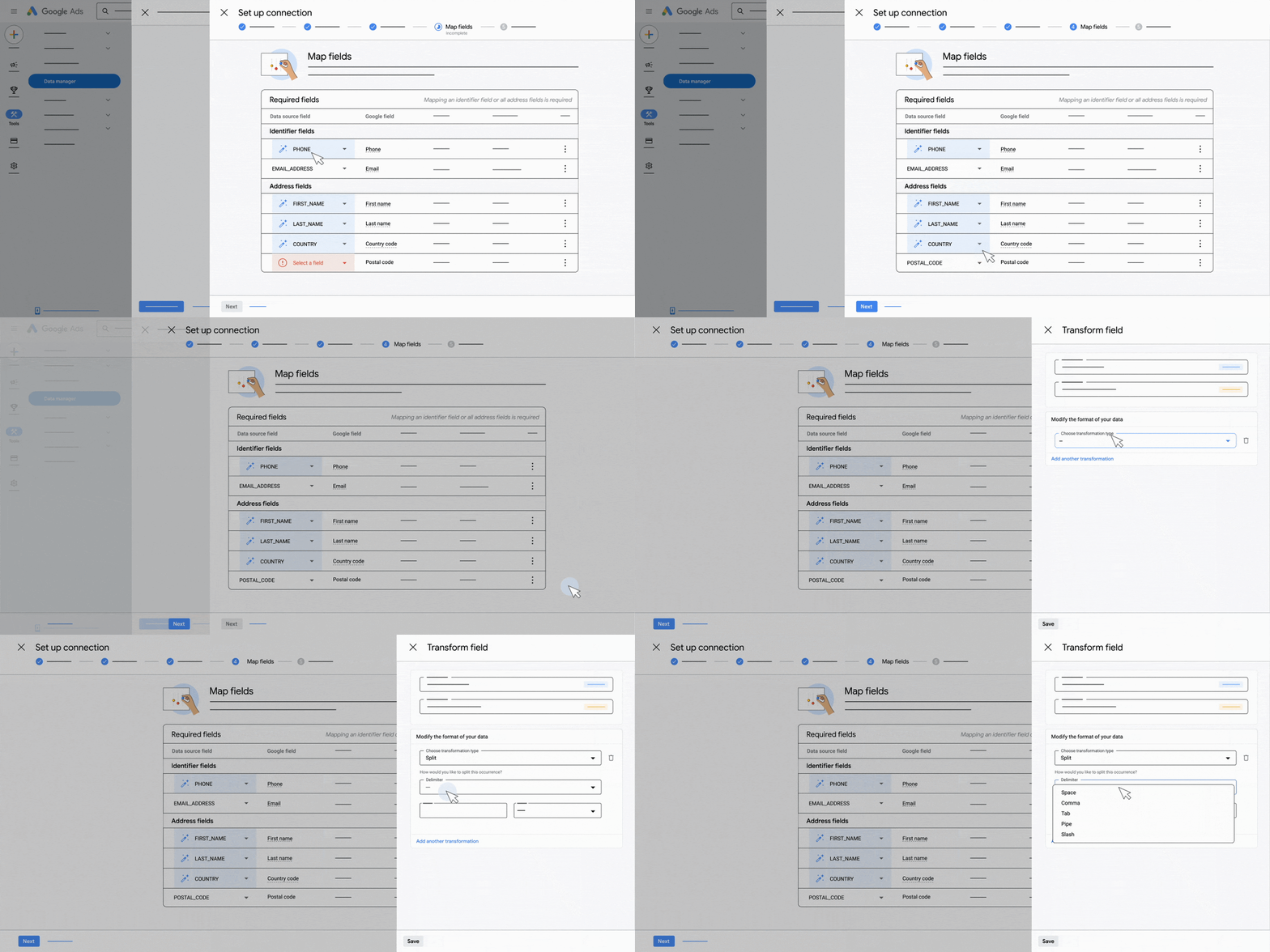
The way it works: Google Advertisements Knowledge Supervisor is Google’s built-in device for connecting first-party knowledge sources to Google Advertisements.
Supply: Google
It provides a native HubSpot connector that imports Buyer Match viewers lists and offline conversion occasions from HubSpot into Google Advertisements. This connection is configured on the Google Advertisements aspect, that means Google Advertisements pulls knowledge from HubSpot relatively than HubSpot pushing it. The mixing helps area mapping, knowledge transformations, and separation of technical and advertising workforce obligations.
What it syncs: Buyer Match audiences (contact lists from HubSpot synced as advert focusing on audiences in Google Advertisements) and offline conversion knowledge (HubSpot lifecycle stage adjustments, deal closures, and different CRM occasions mapped to Google Advertisements conversion actions utilizing GCLID or customer-provided knowledge like e mail and telephone). That is designed to feed HubSpot’s CRM indicators into Google Advertisements’ Good Bidding algorithms.
Matches: ongoing sync of CRM conversion knowledge and viewers lists into Google Advertisements; the first technique for optimizing Good Bidding towards downstream enterprise outcomes relatively than advert clicks.
Setup course of:
-
Map HubSpot fields to Google Advertisements fields. For offline conversions, map HubSpot lifecycle stage adjustments or deal stage transitions to particular Google Advertisements conversion actions. Google makes use of GCLID or hashed buyer knowledge (e mail, telephone) to match conversions again to advert clicks.
Strengths: Configured and maintained on the Google Advertisements aspect, so advertising groups managing advert accounts can set it up with out relying on HubSpot admins for ongoing configuration. Designed for feeding CRM indicators into Good Bidding, which is the highest-leverage use of this integration.
Helps area mapping and knowledge transformations to align HubSpot’s knowledge mannequin with Google Advertisements’ necessities. No third-party device price.
Limitations: Knowledge flows one course solely (HubSpot to Google Advertisements). Doesn’t pull advert efficiency knowledge again into HubSpot for CRM reporting. Requires admin entry on each platforms. The standard of offline conversion matching is determined by GCLID seize (which requires correct monitoring setup) or hashed buyer knowledge match charges.
Setup requires understanding each HubSpot’s knowledge mannequin and Google Advertisements’ conversion monitoring framework.
Greatest for: Efficiency advertising groups targeted on optimizing Google Advertisements Good Bidding towards income and pipeline outcomes relatively than lead quantity. Groups the place the Google Advertisements account supervisor needs direct management over what CRM knowledge feeds the advert platform.
Zapier
Supply: HubSpot
The way it works: Zapier connects HubSpot and Google Advertisements by event-driven automations known as Zaps. Every Zap pairs a set off (an occasion in a single app) with a number of actions (what occurs within the different).
Each platforms are well-supported Zapier connectors, and the accessible trigger-action combos cowl CRM occasions, viewers administration, and conversion monitoring workflows that the native integrations could not deal with with ample granularity.
What it syncs: Relying on the Zap configuration: new HubSpot contacts or offers can set off Google Advertisements viewers updates or offline conversion uploads. Google Advertisements lead type submissions can create HubSpot contacts.
Customized event-driven workflows (akin to pushing a particular deal property grow to be Google Advertisements as a conversion) are configurable by Zapier’s filter and formatting steps.
Matches: ongoing event-triggered sync for particular workflows that the native integrations don’t cowl; not a substitute for the native connector’s viewers and conversion sync.
Setup course of:
-
Select a set off app (e.g., HubSpot) and choose the set off occasion (e.g., “New Deal” or “Deal Stage Modified”).
-
Map fields between the 2 platforms. For offline conversions, map the GCLID (saved as a HubSpot contact property), conversion identify, conversion time, and conversion worth.
Strengths: Covers edge instances and particular workflows that the native integrations don’t deal with (akin to triggering a conversion add on a particular customized deal property change). No engineering assets required. Zapier’s filter and formatting steps add conditional logic. Fast to arrange for easy, focused automations.
Limitations: Every Zap handles one trigger-action pair, so a number of workflows require separate Zaps (every counting in opposition to your plan’s process allocation). No built-in deduplication. Zapier costs by process rely, and high-volume syncs accumulate prices.
The native integrations are extra dependable and full for normal viewers sync and conversion monitoring.
Greatest for: Groups that want a particular automated workflow between HubSpot and Google Advertisements that the native integrations don’t help. Small groups testing a connection earlier than investing in a extra everlasting setup.
Customized API Integration
The way it works: Each HubSpot and Google Advertisements present APIs.
HubSpot’s REST API covers all CRM objects (contacts, corporations, offers, tickets) with webhooks for event-driven notifications.
Google Advertisements‘ API helps programmatic marketing campaign administration, viewers creation, offline conversion uploads, and reporting. A customized integration connects these APIs straight, with middleware dealing with authentication, knowledge mapping, transformation, and scheduling.
What it syncs: Something each APIs expose. That is the one technique that helps advanced eventualities like syncing customized HubSpot objects to Google Advertisements audiences, constructing multi-step conversion funnels from CRM knowledge, or creating programmatic marketing campaign constructions based mostly on CRM segmentation logic.
Matches: both ongoing sync or bulk operations; the one technique with no ceiling on complexity.
Setup course of:
-
Design the information stream: which HubSpot objects and occasions ought to set off which Google Advertisements actions (viewers updates, conversion uploads, marketing campaign changes).
-
Construct the mixing service: a server-side utility that listens for HubSpot webhooks or polls on a schedule, transforms knowledge in keeping with the mapping, and writes to the Google Advertisements API.
-
Deploy, monitor, and preserve the mixing. API adjustments on both platform require ongoing consideration.
Strengths: Full management over what syncs, when, and the way. Can implement enterprise logic that no off-the-shelf connector helps. No per-operation charges from a third-party connector. Helps advanced multi-step workflows and customized object syncing.
Limitations: Requires growth assets to construct and preserve. Each APIs evolve independently (HubSpot launched date-based API versioning in 2026; Google Advertisements variations its API with common releases). The preliminary construct takes weeks. You personal the infrastructure, monitoring, and error restoration.
Greatest for: Organizations with advanced knowledge fashions, customized objects, or enterprise logic that have to be enforced throughout sync. Groups with in-house growth assets and integration necessities that exceed what the native connectors and Zapier can deal with.
Key Use Instances
1. Optimizing Good Bidding with Closed-Gained Income Knowledge
Advertising runs Google Advertisements campaigns that generate leads captured in HubSpot. And not using a connection, Google Advertisements optimizes for type fills, not income.
Pushing offline conversion knowledge from HubSpot (deal closed-won occasions with income values) again into Google Advertisements by Knowledge Supervisor or the native integration teaches Good Bidding which key phrases, audiences, and creatives drive precise clients, not clicks. Over time, this shifts advert spend towards the queries and audiences that produce pipeline.
Greatest integration technique: Google Advertisements Knowledge Supervisor (direct HubSpot connection) for the deepest conversion knowledge; HubSpot’s native integration for less complicated lifecycle-stage-based conversion monitoring.
2. Syncing CRM Segments as Advert Concentrating on Audiences
Gross sales identifies a phase of high-value accounts in HubSpot (based mostly on deal measurement, trade, or lifecycle stage). Advertising needs to focus on these accounts with Google Advertisements show or YouTube campaigns.
An energetic HubSpot checklist synced as a Buyer Match viewers in Google Advertisements ensures advert focusing on at all times displays the present CRM phase, with out guide CSV exports. As accounts transfer by the pipeline, the viewers updates robotically.
Greatest integration technique: Native HubSpot-Google Advertisements integration (viewers syncing from HubSpot contact lists).
3. Excluding Current Prospects from Acquisition Campaigns
Acquisition campaigns waste price range once they serve advertisements to people who find themselves already clients. A HubSpot checklist of closed-won contacts synced to Google Advertisements as a Buyer Match exclusion viewers prevents present clients from seeing prospecting advertisements. The exclusion updates robotically as new offers shut in HubSpot.
Greatest integration technique: Native HubSpot-Google Advertisements integration (viewers syncing with exclusion configuration in Google Advertisements).
4. Lead Kind Submission to CRM Pipeline
Google Advertisements lead type extensions seize contact data inside the advert unit, with out requiring a touchdown web page go to.
A Zapier Zap or the native integration can push these submissions into HubSpot as new contacts with related deal information, guaranteeing leads from ad-native kinds enter the CRM pipeline alongside website-generated leads.
Greatest integration technique: Zapier (event-triggered lead type seize) or native integration (if the lead type knowledge routes by a related touchdown web page).
5. Full-Funnel Attribution Reporting in HubSpot
Management needs to see which Google Advertisements campaigns drive income, not simply leads. The native integration pulls advert efficiency knowledge (clicks, spend, impressions) into HubSpot and ties it to contact information.
When these contacts shut as offers, HubSpot’s multi-touch attribution connects the advert click on to the income occasion, giving advertising a full-funnel view from advert impression to closed-won deal contained in the CRM.
Greatest integration technique: Native HubSpot-Google Advertisements integration (advert monitoring and attribution reporting).
Limitations and Concerns
Buyer Match Necessities
Google Advertisements Buyer Match audiences require a minimal viewers measurement and ample match charges to be usable for focusing on. In case your HubSpot checklist accommodates contacts with private e mail addresses (Gmail, Yahoo) relatively than enterprise domains, match charges will probably be decrease.
Small HubSpot lists could not meet the minimal measurement threshold for Buyer Match activation in Google Advertisements.
Offline Conversion Matching
Offline conversion import is determined by matching CRM occasions again to Google Advertisements clicks. Essentially the most dependable matching key’s the GCLID (Google Click on ID), which have to be captured when a lead first clicks an advert and saved within the HubSpot contact document.
In case your kinds or touchdown pages don’t seize and retailer the GCLID, offline conversion matching falls again to hashed e mail or telephone knowledge, which produces decrease match charges. Establishing GCLID seize requires configuring hidden type fields or URL parameter monitoring in HubSpot.
Pricing Implications
The native HubSpot integration is included with Advertising Hub Starter ($20/seat/month) and above, however superior advertisements options (viewers syncing, attribution reporting) could require Skilled ($890/month) or increased. Google Advertisements Knowledge Supervisor is included with Google Advertisements at no extra price. Zapier costs by process rely (from $19.99/month for 750 duties).
Each platforms impose API charge limits that have an effect on customized integrations: HubSpot’s limits differ by subscription tier, and Google Advertisements’ day by day operation limits differ by API entry degree.
Permissions and Entry
Establishing the native integration requires admin entry in HubSpot and admin or commonplace entry within the Google Advertisements account. Google Advertisements Knowledge Supervisor requires admin entry on each side.
In case your Google Advertisements account is managed by a Supervisor Account (MCC), the mixing consumer wants permissions on the particular person account degree, not simply the supervisor degree.
Upkeep
Each platforms evolve independently. HubSpot launched date-based API versioning in 2026, releasing new variations twice a yr. Google Advertisements migrated its legacy offline conversion add path to Knowledge Supervisor as of June 2026, blocking older API-based strategies.
Google Advertisements’ AI options (Efficiency Max, AI Max for Search) change how conversion knowledge is consumed, which might have an effect on how CRM-originated conversions affect bidding. Periodic opinions of the mixing’s well being and knowledge accuracy are warranted.
What No Methodology Fixes: The Knowledge Itself
Each technique above strikes information and conversion occasions between HubSpot and Google Advertisements. None of them checks whether or not these information are correct, full, or present. A contact with a improper job title in HubSpot syncs as a Buyer Match viewers member in Google Advertisements with a improper job title. A lead with a private e mail handle that by no means matched the GCLID produces a conversion hole the mixing can not shut. The mixing ensures each methods share knowledge; it doesn’t make sure that knowledge is correct.
The place ZoomInfo Matches In
Each technique on this information strikes knowledge between HubSpot and Google Advertisements. None of them improves the information being moved.
When the mixing is reside however viewers match charges are low as a result of contact information have outdated emails, or Good Bidding is optimizing on incomplete conversion knowledge as a result of half the leads in HubSpot have lacking firm attributes and can’t be scored, the bottleneck is not the connector.
That’s the hole ZoomInfo closes.
ZoomInfo is an AI GTM platform constructed on B2B knowledge overlaying 500M contacts, 100M corporations, 135M+ verified telephone numbers, and 200M+ verified enterprise emails. That knowledge is verified by a multi-source pipeline backed by 300+ human researchers and reaching as much as 95% accuracy on first-party knowledge. For groups connecting HubSpot and Google Advertisements, ZoomInfo Agent Groups can run the complete play finish to finish: specialist brokers share context, work from every account’s present state, and act inside the approvals and limits you set.
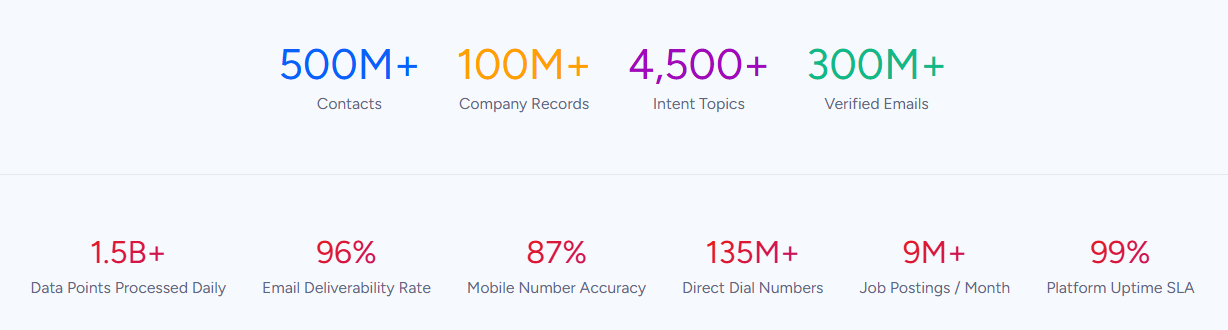
For groups working a HubSpot-Google Advertisements integration, ZoomInfo addresses the information high quality layer that no connector handles.
ZoomInfo integrates natively with each platforms. The HubSpot integration gives real-time contact enrichment and scheduled database refresh inside HubSpot CRM, appending verified emails, direct dials, job titles, firm attributes, and technographics to contact and firm information.
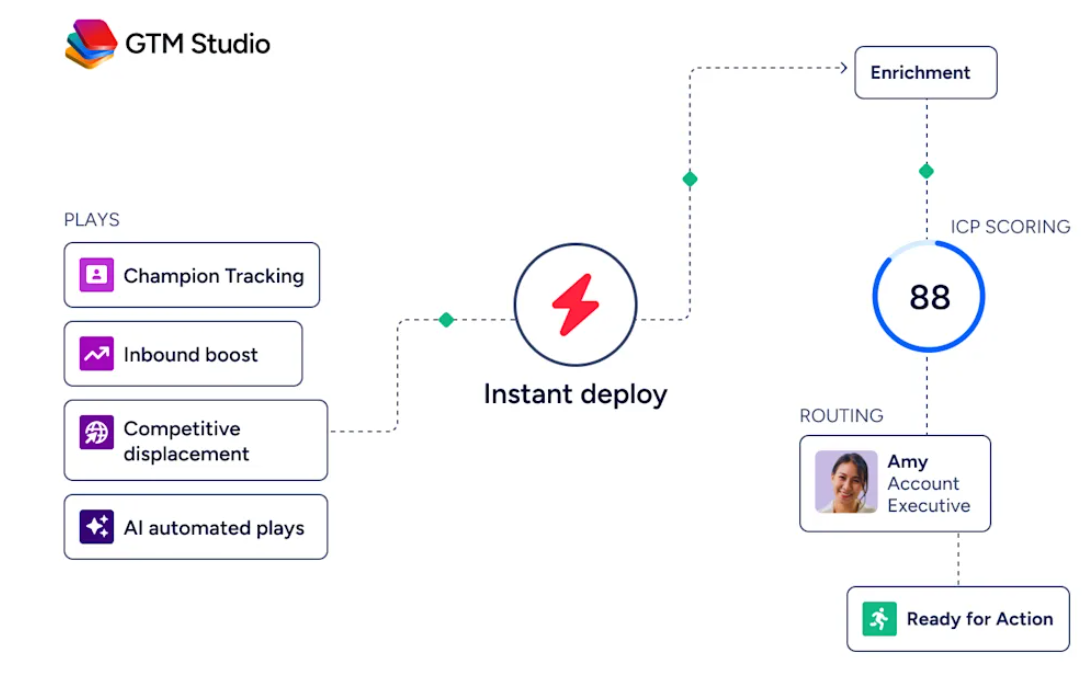
The Google Advertisements integration by GTM Studio lets groups export ZoomInfo-built audiences into Google Advertisements for marketing campaign activation and retargeting. ZoomInfo Agent Groups, working in GTM Studio and headless by GTM.AI, can take these audiences additional, coordinating specialist brokers that act on every account’s present state inside the approvals and limits you set.
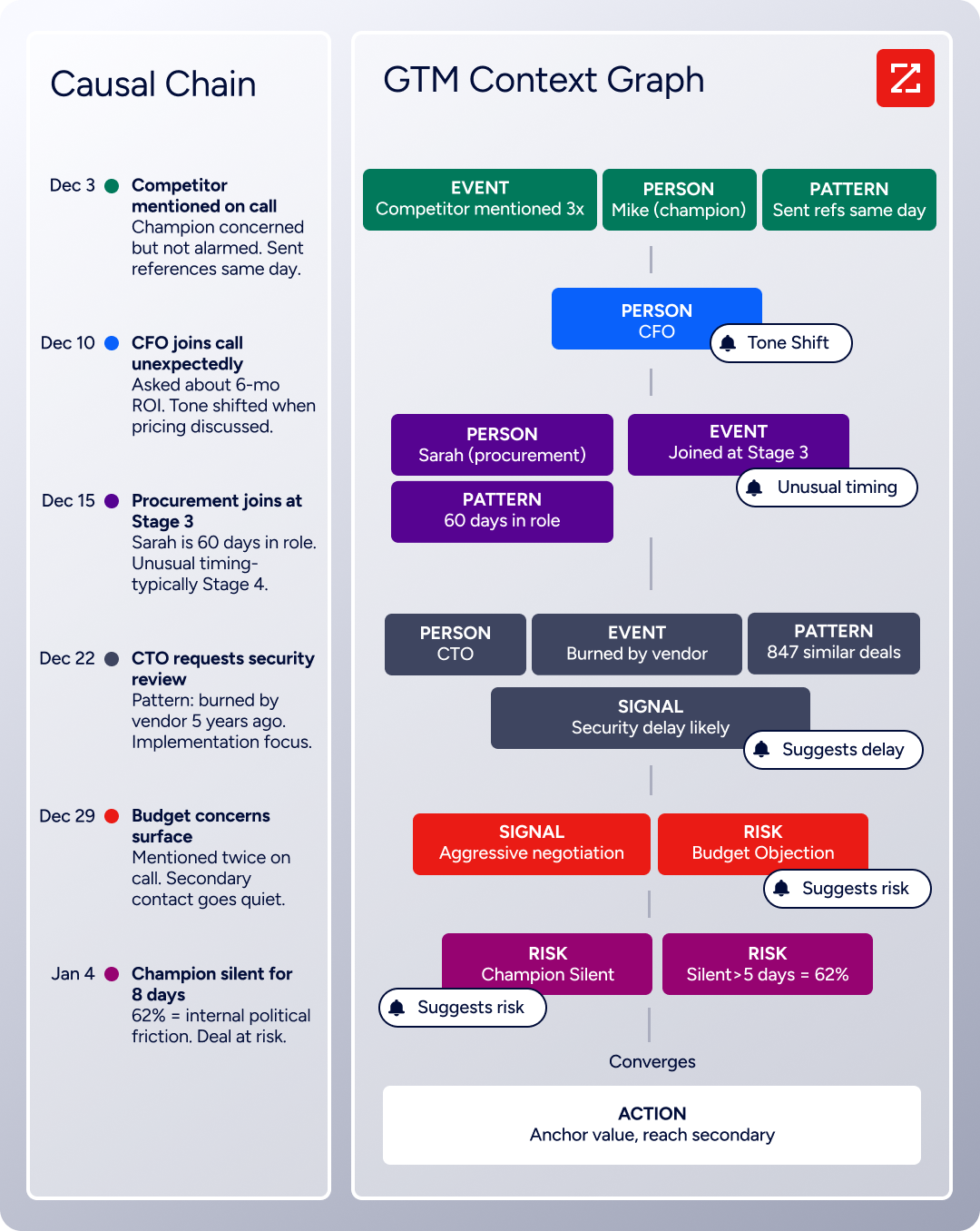
The identical knowledge feeds ZoomInfo’s GTM Context Graph, which processes 1.5B+ knowledge factors day by day by unifying third-party intelligence with CRM information, dialog transcripts, and behavioral indicators to floor not simply what occurred in a deal, however why.
In apply, a workforce working each platforms can use ZoomInfo to complement HubSpot contact information earlier than they sync as Buyer Match audiences to Google Advertisements.
Verified enterprise emails produce increased match charges. Correct job titles and firm attributes allow extra exact viewers segmentation. When these enriched contacts convert, the offline conversion knowledge flowing again into Google Advertisements carries full information relatively than partial ones, giving Good Bidding a cleaner sign to optimize in opposition to.
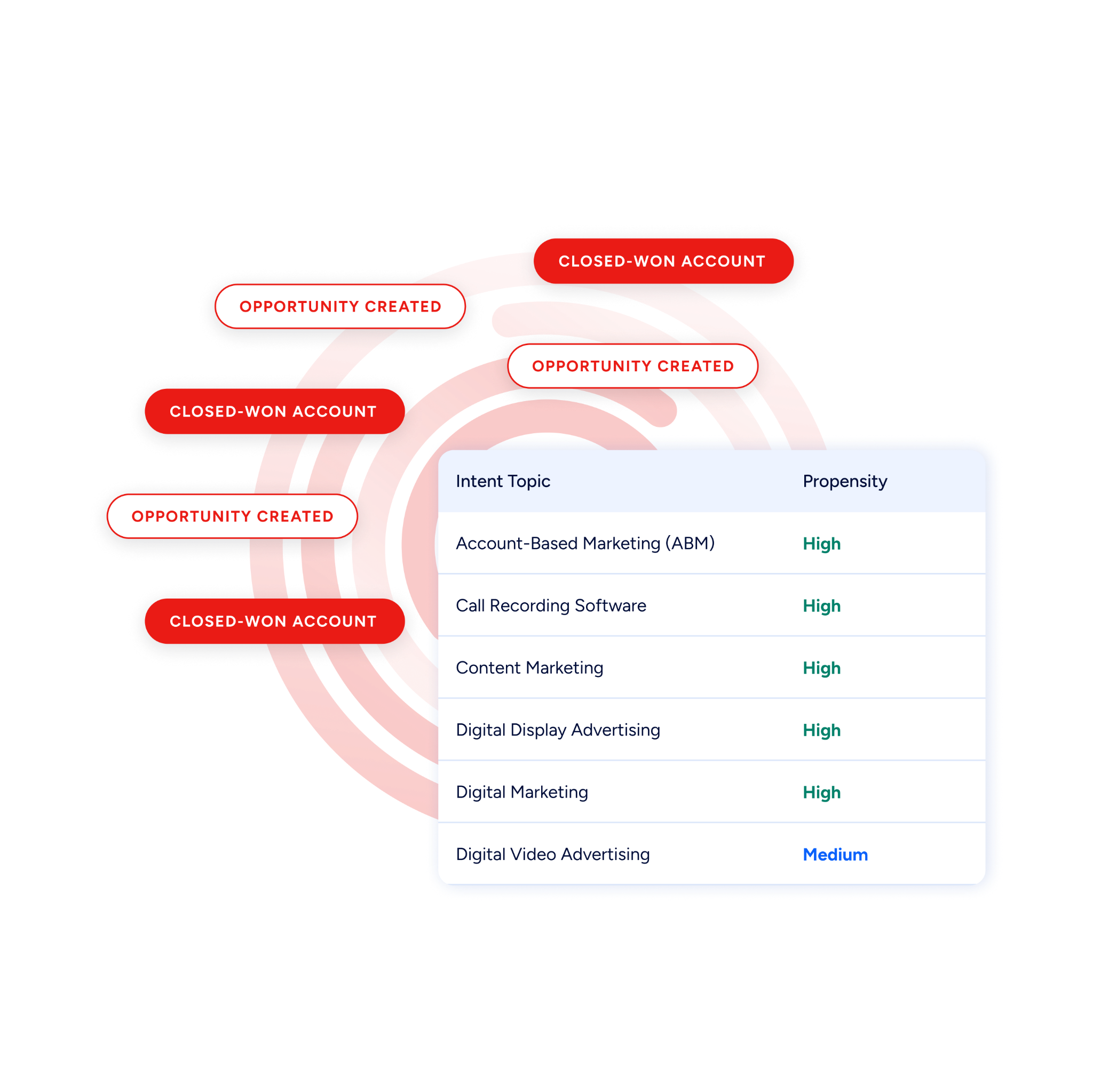
Purchaser Intent knowledge from ZoomInfo, monitoring indicators from 210 million IP-to-Group pairings, can inform which accounts to focus on with Google Advertisements campaigns within the first place, shifting advert spend towards corporations actively researching related options relatively than static CRM segments.
Enriched information additionally make the mixing extra dependable. Fewer clean fields imply fewer mismatches throughout Buyer Match syncing. Constant formatting throughout contact information reduces the false positives that decrease viewers high quality.
Intent indicators assist groups determine which segments really warrant advert spend, relatively than pushing each CRM checklist into Google Advertisements with out discrimination.
Seismic’s gross sales workforce attributed 39% of energetic pipeline to alternatives recognized or influenced by ZoomInfo indicators, whereas boosting productiveness by 54% and saving 11.5 hours per week. (Seismic)
Closing Verdict
A local integration between HubSpot and Google Advertisements exists, with two complementary entry factors: HubSpot’s built-in Google Advertisements connector for marketing campaign administration, viewers syncing, and attribution, and Google Advertisements Knowledge Supervisor’s direct HubSpot connection for feeding CRM conversion knowledge into Good Bidding.
For many groups, the precise selection is determined by which course of information stream issues most and the way deeply they should optimize.
-
Advertising groups that desire a unified view of advert efficiency alongside CRM knowledge ought to begin with HubSpot’s native Google Advertisements integration. It handles viewers syncing, primary conversion monitoring, and full-funnel attribution reporting with out requiring a separate device.
-
Groups with particular event-driven workflows not lined by both native connector ought to use Zapier to fill the gaps, and organizations with advanced knowledge fashions or customized sync necessities ought to spend money on a customized API integration.
Earlier than investing within the integration, make clear what end result you want from it.
If the objective is aligning advert spend with income (not simply leads), the precedence is getting offline conversion knowledge from HubSpot into Google Advertisements so Good Bidding optimizes towards enterprise outcomes. If the objective is maintaining advert focusing on present with CRM lifecycle levels, the precedence is viewers syncing from HubSpot lists.
Both manner, the standard of the contact knowledge in HubSpot determines whether or not Buyer Match audiences discover actual individuals and whether or not offline conversions match again to the precise advert clicks.
ZoomInfo, with its native HubSpot and Google Advertisements integrations and API and MCP entry, is the information enrichment layer that ensures each methods work with information which might be correct, full, and present.
FAQ
Does HubSpot combine natively with Google Advertisements?
Sure. HubSpot provides a local Google Advertisements integration by the HubSpot App Market. It connects Google Advertisements accounts to HubSpot for advert efficiency reporting, viewers syncing by way of Buyer Match, conversion monitoring, and multi-touch attribution.
It’s accessible on Advertising Hub Starter and above, with deeper performance (viewers syncing, attribution) on Skilled and Enterprise tiers.
Can I optimize Google Advertisements Good Bidding utilizing HubSpot CRM knowledge?
Sure, by offline conversion import. Pushing deal stage adjustments and closed-won occasions from HubSpot into Google Advertisements (by way of Knowledge Supervisor’s direct HubSpot connection or the native integration) teaches Good Bidding which key phrases, audiences, and creatives drive precise income, not type fills.
This requires GCLID seize in HubSpot or ample hashed buyer knowledge (e mail, telephone) for conversion matching.
What’s a GCLID and why does it matter for this integration?
The GCLID (Google Click on ID) is a novel identifier appended to the URL when somebody clicks a Google Advertisements advert. Capturing and storing this parameter in a HubSpot contact document is essentially the most dependable technique to match offline conversions (like a closed-won deal) again to the unique advert click on.
With out GCLID seize, offline conversion matching depends on hashed e mail or telephone knowledge, which produces decrease match charges.
How usually do HubSpot audiences sync to Google Advertisements?
By means of the native integration, HubSpot energetic lists sync to Google Advertisements Buyer Match audiences on a recurring schedule. The precise frequency is determined by the mixing configuration and HubSpot plan tier. Adjustments to checklist membership (contacts added or eliminated based mostly on checklist standards) propagate on the following sync cycle. Static lists replace solely when manually edited.
What HubSpot plan do I would like for the Google Advertisements integration?
The fundamental Google Advertisements connection (linking accounts for advert efficiency reporting) is accessible on Advertising Hub Starter ($20/seat/month). Superior performance (viewers syncing, offline conversion monitoring, and multi-touch attribution reporting) requires Advertising Hub Skilled ($890/month) or Enterprise ($3,600/month).
Can I join a number of Google Advertisements accounts to at least one HubSpot portal?
Sure. HubSpot helps connecting a number of Google Advertisements accounts to a single portal. That is helpful for organizations managing separate Google Advertisements accounts for various areas, manufacturers, or enterprise models whereas utilizing one centralized CRM.
What’s the distinction between HubSpot’s native integration and Google Advertisements Knowledge Supervisor?
HubSpot’s native integration is configured on the HubSpot aspect and handles bidirectional knowledge stream: advert efficiency knowledge into HubSpot for reporting, and audiences and conversions from HubSpot into Google Advertisements.
Google Advertisements Knowledge Supervisor is configured on the Google Advertisements aspect and focuses on importing HubSpot knowledge (audiences and offline conversions) into Google Advertisements for focusing on and Good Bidding optimization. Groups targeted on advert optimization usually use each.
How does ZoomInfo enhance a HubSpot-Google Advertisements integration?
ZoomInfo solves the information high quality drawback that no sync device addresses. Contact information in CRMs decay as individuals change jobs, e mail addresses go stale, and firm particulars shift.
ZoomInfo enriches HubSpot information with verified contact knowledge, firm attributes, technographics, and intent indicators. Verified enterprise emails enhance Buyer Match charges in Google Advertisements. Correct firm knowledge allows extra exact viewers segmentation.
Intent indicators assist groups prioritize which accounts ought to obtain advert spend based mostly on energetic shopping for habits, so Google Advertisements budgets goal corporations which might be really in-market relatively than static CRM segments.
Extra HubSpot integrations:

