

Groups that run HubSpot and Klaviyo facet by facet normally uncover the identical issues inside 1 / 4:
-
contacts exist in each platforms with conflicting particulars, as a result of a CRM replace in HubSpot by no means reaches the advertising profile in Klaviyo,
-
engagement knowledge lives in silos, so a gross sales rep working a deal has no visibility into which e mail flows the prospect is receiving,
Nonetheless, the 2 platforms ended up coexisting (a B2B gross sales workforce working HubSpot whereas the ecommerce arm runs Klaviyo, a advertising workforce adopting Klaviyo for e mail and SMS whereas the CRM stays in HubSpot, or separate departments selecting instruments independently), the longer they function with out a connection, the extra buyer knowledge diverges and the more durable it turns into to coordinate gross sales and advertising.
Connecting HubSpot and Klaviyo closes that hole.
Contacts created or up to date in HubSpot circulation into Klaviyo so advertising campaigns goal correct, present information. Lifecycle stage modifications, deal milestones, and type submissions in HubSpot can set off customized e mail and SMS flows in Klaviyo, so outreach responds to actual purchaser habits slightly than lagging behind it.
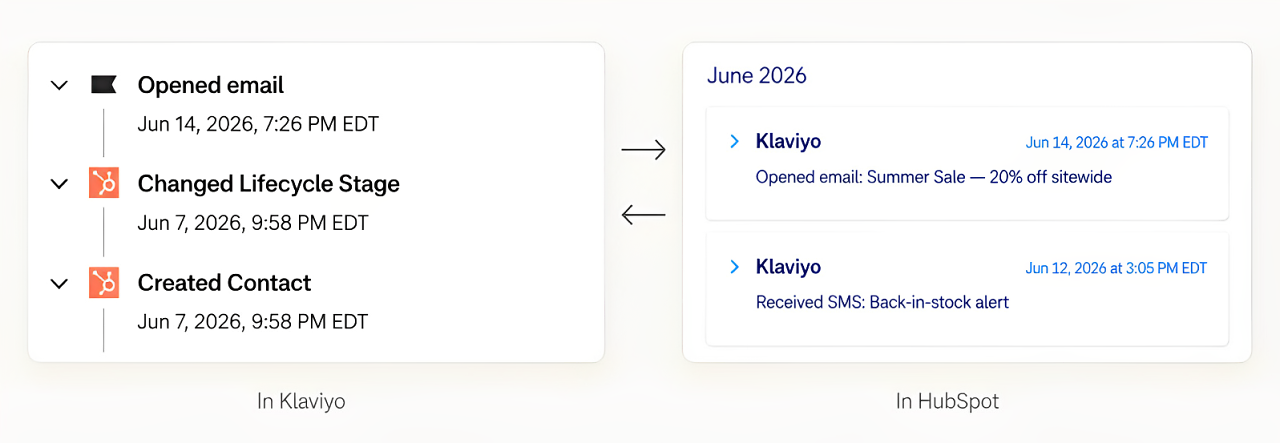
Engagement knowledge from Klaviyo (opens, clicks, purchases) can feed again into HubSpot so gross sales reps see how a contact is interacting with the model.
A local integration exists: Klaviyo for HubSpot (by KAV Labs) is out there within the HubSpot Market and gives bidirectional contact and engagement knowledge sync.
For groups that want completely different workflows or extra customization, third-party instruments like Zapier and Outfunnel supply various connection strategies. Customized API growth can be doable, since each platforms expose REST APIs. Every technique differs in setup complexity, sync route, knowledge protection, and value.
One drawback no connection technique solves: the sync strikes information between programs, but it surely doesn’t confirm whether or not these information are correct, full, or present.
That’s the place ZoomInfo is available in. ZoomInfo integrates natively with HubSpot by its market and affords API and MCP entry that may feed verified, enriched B2B knowledge into any system, so the information flowing between HubSpot and Klaviyo are correct and full earlier than they sync.
This text covers the total panorama of the HubSpot-Klaviyo integration: which strategies can be found, what knowledge each handles, easy methods to set them up, the use instances that justify connecting each platforms, and the constraints to plan for. It additionally covers how ZoomInfo matches into the image as a knowledge enrichment layer for each platforms.
Let’s begin with an summary of the mixing.
Integration Overview
Supply: Klaviyo
Does a local integration exist?
Sure. Klaviyo for HubSpot (by KAV Labs) is out there within the HubSpot App Market and within the Klaviyo App Market. It gives bidirectional sync of contacts and advertising engagement knowledge between the 2 platforms. Extra integrations can be found by Outfunnel and Zapier.
What knowledge can sync?
Contacts, contact properties, record/phase memberships, lifecycle levels, type submissions, and advertising engagement knowledge (e mail opens, clicks, unsubscribes). The particular fields and objects rely upon the strategy. The native integration handles contact sync and engagement knowledge bidirectionally. Third-party instruments can map further objects and customized properties.
Is the sync bidirectional?
The native Klaviyo for HubSpot integration helps bidirectional contact sync. Third-party instruments like Zapier deal with one-way flows per automation (a second Zap is required for the reverse route). Outfunnel makes a speciality of marketing-to-CRM engagement knowledge sync.
Is it real-time or batch?
The native integration syncs contacts in close to real-time as information are created or up to date. Zapier triggers fireplace inside 1 to fifteen minutes relying on plan tier. Customized API integrations can obtain real-time sync by webhooks on each platforms.
What are the out there strategies?
Native integration (Klaviyo for HubSpot), third-party automation (Zapier, Outfunnel), and customized API growth.
|
Technique |
Setup Problem |
Knowledge Stream |
Actual-time? |
Price |
|---|---|---|---|---|
|
Native (Klaviyo for HubSpot) |
Low |
Bidirectional |
Close to real-time |
Free (included with each platforms) |
|
Zapier |
Medium |
One-way per Zap |
Close to real-time (1-15 min) |
From $19.99/mo |
|
Outfunnel |
Medium |
Advertising-to-CRM |
Close to real-time |
From $19/mo |
|
Customized API |
Excessive |
Absolutely customizable |
Actual-time through webhooks |
Developer time + internet hosting |
One distinction price settling upfront: the native integration handles ongoing, automated sync of contacts and engagement knowledge as a part of every day workflows.
Zapier and Outfunnel deal with event-triggered flows for particular use instances the native connector could not cowl. Customized API growth is the one technique with no ceiling on what knowledge objects and logic it will probably assist, but it surely requires engineering assets to construct and preserve.
Integration Strategies
Native Integration (Klaviyo for HubSpot)
The way it works: The Klaviyo for HubSpot integration (by KAV Labs) connects the 2 platforms by the HubSpot App Market. As soon as put in, it syncs contact information and advertising engagement knowledge bidirectionally between HubSpot’s CRM and Klaviyo’s buyer profiles. Contacts created or up to date in both platform propagate to the opposite, protecting each programs aligned with out guide knowledge entry.
Supply: HubSpot
What it syncs: Contact information (title, e mail, telephone, firm, customized properties), record and phase memberships, HubSpot lifecycle levels, type submission knowledge, and Klaviyo advertising engagement knowledge (e mail opens, clicks, unsubscribes). The combination maps HubSpot contact properties to Klaviyo profile properties so each platforms carry constant knowledge.
Matches: ongoing bidirectional sync of contacts and engagement knowledge; suited to groups that want each platforms to remain present as a part of every day operations.
Setup course of:
-
In HubSpot, navigate to Settings > Integrations > App Market and seek for “Klaviyo.” Choose the Klaviyo for HubSpot app by KAV Labs.
-
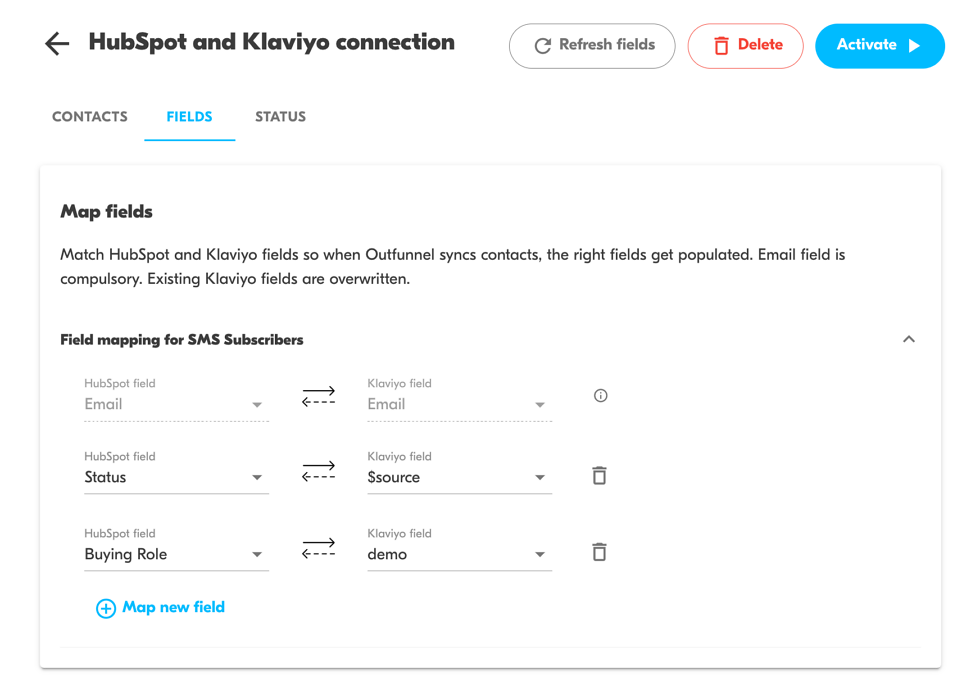
Select the sync route for every discipline (HubSpot to Klaviyo, Klaviyo to HubSpot, or bidirectional) and set battle decision guidelines for fields which may be up to date in each programs.
Strengths: The only setup path, requiring no third-party instrument or engineering assets. Bidirectional sync retains each platforms aligned with out duplicate workflows. Included at no further price past present HubSpot and Klaviyo subscriptions. Handles the commonest sync state of affairs (contacts and engagement knowledge) out of the field.
Limitations: KAV Labs maintains the mixing, not HubSpot or Klaviyo, so replace cadence and assist rely upon that developer. Customized objects and sophisticated knowledge fashions past customary contact properties could require further configuration or is probably not supported. The depth of discipline mapping and battle decision is determined by the app’s function set, which can lag behind modifications in both platform’s API.
Finest for: Groups that want an easy, low-maintenance connection between HubSpot and Klaviyo for contact and engagement knowledge sync. Advertising groups working e mail and SMS campaigns in Klaviyo whereas managing the gross sales pipeline in HubSpot.
Zapier
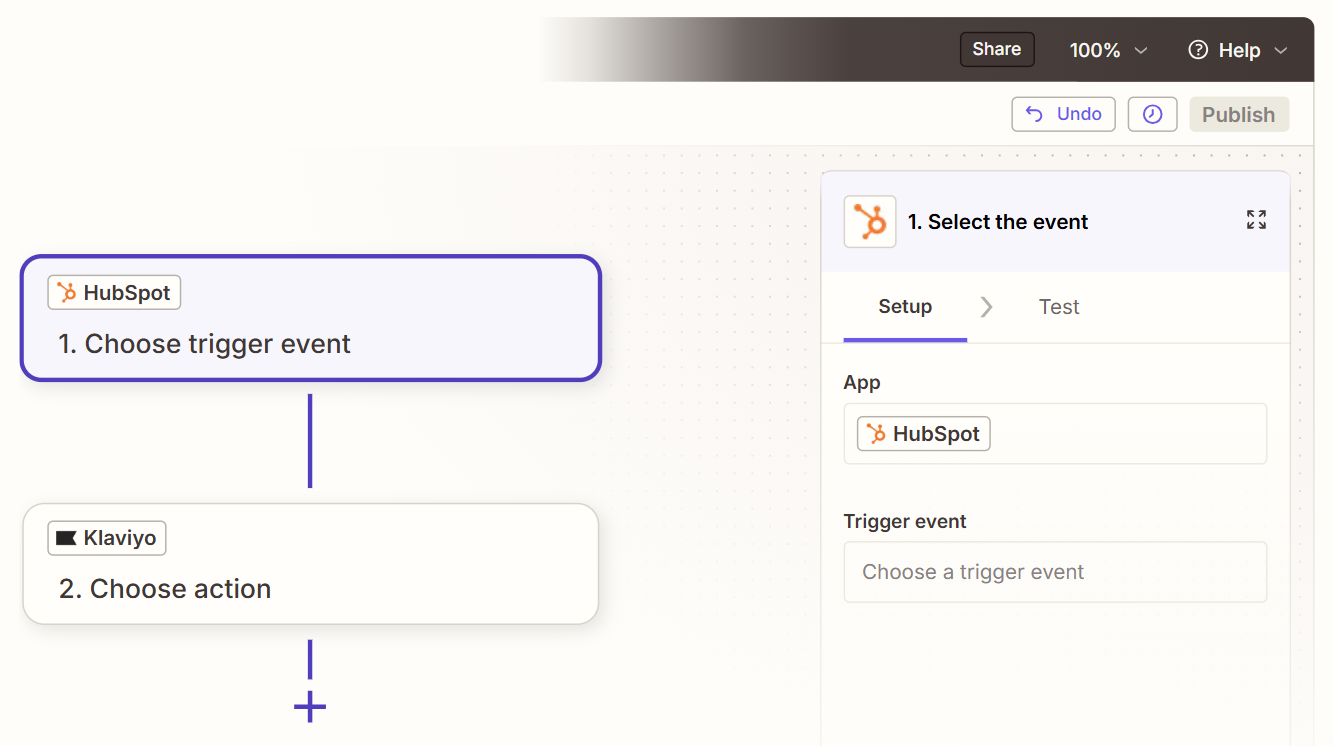
The way it works: Zapier connects HubSpot and Klaviyo by event-driven automations referred to as Zaps. Every Zap pairs a set off (an occasion in a single app) with a number of actions (what occurs within the different).
Supply: Zapier
Each platforms are well-supported Zapier connectors, so the out there trigger-action combos cowl the most important objects and occasions. Zapier is helpful for workflows the native integration doesn’t cowl, equivalent to syncing deal stage modifications or triggering Klaviyo flows based mostly on particular HubSpot type submissions.
What it syncs: Contacts, offers, type submissions, record memberships, and customized properties. Every object sort requires its personal Zap. Zapier can push HubSpot deal knowledge into Klaviyo as customized profile properties or occasions, enabling advertising automation based mostly on gross sales pipeline exercise. Customized fields may be mapped manually within the setup circulation.
Matches: ongoing sync of particular occasions or objects not coated by the native integration; not a migration instrument.
Setup course of:
-
Select a set off app (e.g., HubSpot) and choose the set off occasion (e.g., “New Deal” or “New Type Submission”).
-
Flip the Zap on. For bidirectional sync on the identical object, create a second Zap with the set off and motion apps reversed, and add a filter to forestall infinite loops.
Strengths: Handles use instances the native integration doesn’t cowl, equivalent to syncing deal stage modifications, type submissions, or customized occasions. No engineering assets required.
Zapier’s filter and formatting steps add conditional logic (e.g., solely sync contacts from particular HubSpot lists, or solely set off Klaviyo occasions for offers above a sure worth). A big template library covers widespread HubSpot-Klaviyo workflows.
Limitations: Every Zap handles one trigger-action pair, so syncing a number of objects requires a number of Zaps (every counting towards your plan’s activity allocation). Bidirectional sync wants duplicate Zaps with loop-prevention logic. No built-in deduplication. Historic information created earlier than the Zap was activated don’t sync. Zapier fees by activity rely, and high-volume syncs accumulate prices.
Finest for: Groups that have to sync particular objects or set off particular workflows between HubSpot and Klaviyo past what the native integration helps. Mid-size groups with conditional sync necessities (e.g., solely sync contacts that attain a sure lifecycle stage, or set off Klaviyo flows based mostly on HubSpot deal exercise).
Outfunnel
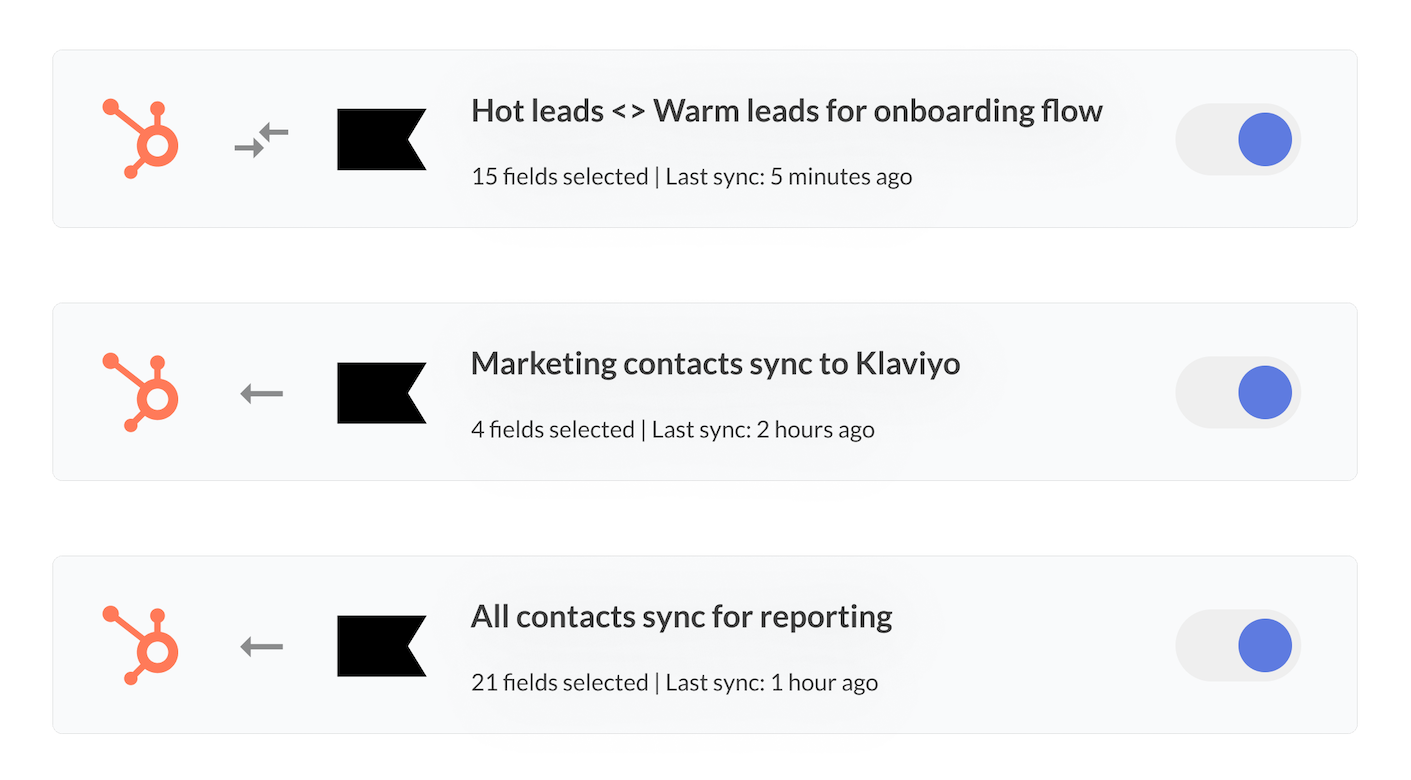
The way it works: Outfunnel is a marketing-to-sales knowledge connector constructed for bridging advertising engagement platforms with CRMs. It pushes advertising engagement knowledge (e mail opens, clicks, net visits, type fills) from instruments like Klaviyo into CRM platforms like HubSpot, and syncs contact lists bidirectionally.
In contrast to general-purpose automation instruments, Outfunnel is designed for the particular job of connecting advertising exercise to gross sales context.
Supply: Outfunnel
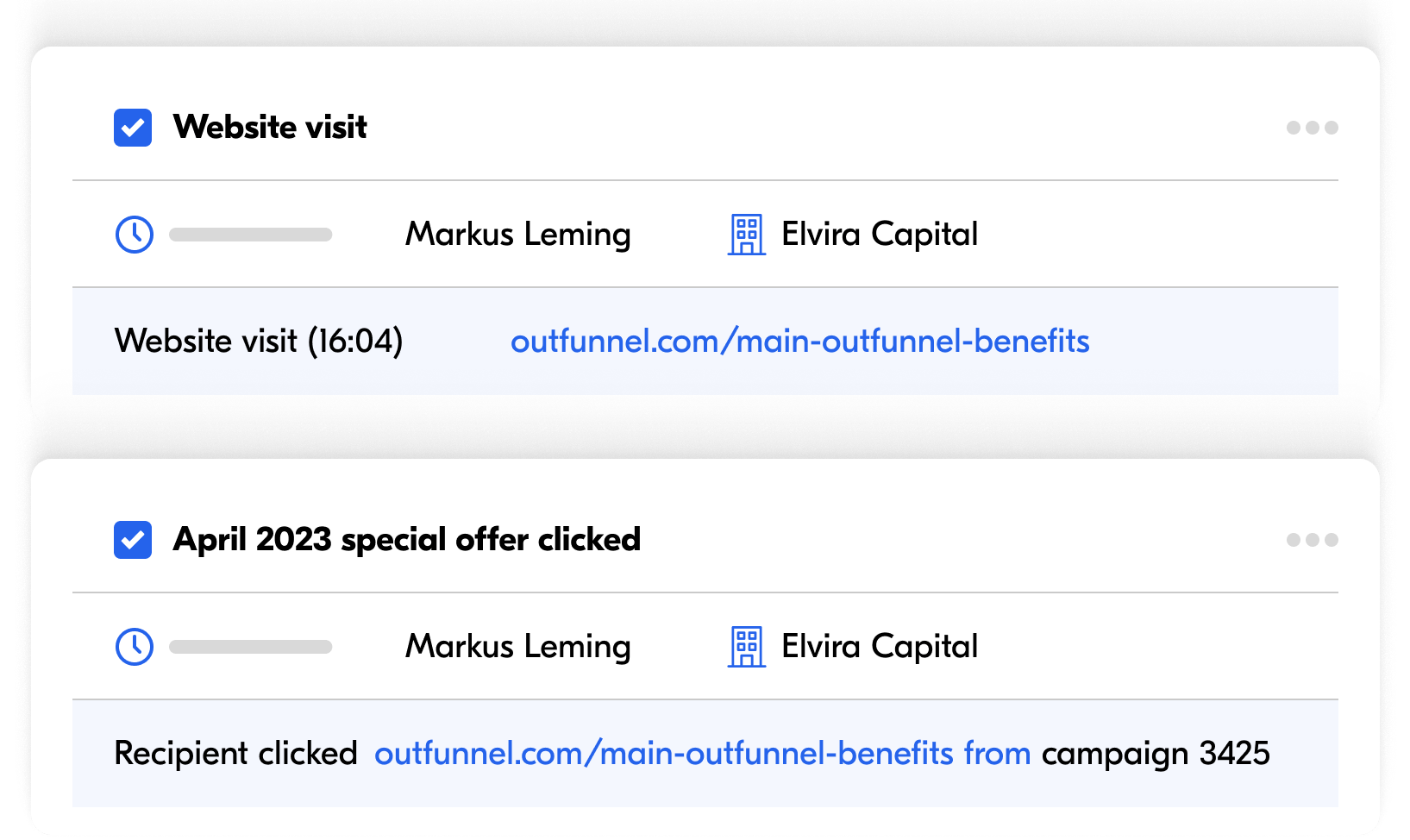
What it syncs: Contact information bidirectionally between HubSpot and Klaviyo, plus Klaviyo e mail engagement knowledge (opens, clicks, unsubscribes) pushed into HubSpot as exercise information. Net go to monitoring knowledge can even circulation into HubSpot to offer gross sales reps visibility into prospect habits. Contact record sync retains audiences aligned throughout each platforms.
Matches: ongoing sync with a deal with feeding advertising engagement knowledge into the CRM for gross sales workforce visibility.
Setup course of:
-
Choose the sync route: contact knowledge from HubSpot to Klaviyo, Klaviyo to HubSpot, or bidirectional.
-
Allow engagement knowledge sync to push Klaviyo e mail exercise (opens, clicks, unsubscribes) into HubSpot contact timelines.
Supply: Outfunnel
Strengths: Constructed for the marketing-to-CRM knowledge circulation use case. Engagement knowledge seems on HubSpot contact timelines, giving gross sales reps direct visibility into how contacts work together with Klaviyo campaigns. Bidirectional contact sync with discipline mapping. Less complicated to configure than Zapier for this use case as a result of the instrument was designed for it slightly than for general-purpose automation.
Supply: Outfunnel
Limitations: Narrower scope than Zapier or customized API growth. Doesn’t deal with workflow automation past contact sync and engagement knowledge. Not designed for syncing offers, tickets, or customized objects. Provides one other subscription price on prime of HubSpot and Klaviyo.
Finest for: Gross sales groups that want Klaviyo e mail engagement knowledge seen inside HubSpot contact information for follow-up prioritization, with out constructing customized Zaps or API integrations.
Customized API Integration
The way it works: Each HubSpot and Klaviyo present REST APIs. HubSpot’s API covers all CRM objects (contacts, corporations, offers, tickets, customized objects) with webhook assist for real-time occasion notifications. Klaviyo’s REST API follows the JSON:API specification and covers profiles, occasions, campaigns, flows, lists, segments, and extra, with webhook assist for e mail, SMS, and push occasions.
Supply: Klaviyo
A customized integration connects these APIs instantly, with your personal middleware dealing with authentication, discipline mapping, transformation, and error restoration.
What it syncs: Something each APIs expose. That is the one technique that helps complicated sync eventualities like pushing HubSpot deal knowledge as Klaviyo customized occasions, syncing customized objects, triggering Klaviyo flows based mostly on HubSpot workflow occasions, or implementing enterprise guidelines that transcend discipline mapping.
Matches: both one-time migration or ongoing sync; the one technique with no ceiling on both.
Setup course of:
-
Register API credentials in each platforms. In HubSpot, create a non-public app with the required scopes and generate an entry token. In Klaviyo, generate a non-public API key with the suitable permissions in Account Settings.
-
Construct the sync service: a server-side software that listens for webhooks from each platforms, transforms knowledge in response to the mapping, and writes modifications to the opposite facet.
-
Implement battle decision logic for bidirectional sync (timestamp-based, source-priority, or field-level guidelines).
-
Add logging, error dealing with, and retry logic. Each APIs have charge limits (HubSpot’s non-public app limits scale by plan tier; Klaviyo’s tiered charge limits implement per-second and per-minute home windows).
Strengths: Full management over what syncs, when, and the way. Actual-time sync through webhooks on either side. Can implement complicated enterprise logic. No per-record or per-operation charges from a third-party connector. The one technique that may sync customized objects, customized occasions, and sophisticated multi-step workflows.
Limitations: Requires growth assets to construct and preserve. You personal the infrastructure, monitoring, and error restoration. API modifications on both platform (HubSpot launched date-based API versioning in March 2026; Klaviyo follows a documented versioning and deprecation coverage) require ongoing upkeep. The preliminary construct takes weeks, not hours.
Finest for: Groups with sync necessities that no off-the-shelf instrument can fulfill. Organizations with in-house growth groups and sophisticated knowledge fashions spanning each platforms. Firms that have to sync customized objects, implement enterprise logic throughout sync, or combine HubSpot and Klaviyo right into a broader multi-system knowledge structure.
Key Use Instances
1. B2B Lead Nurture Triggered by CRM Lifecycle Stage
A B2B firm runs its gross sales pipeline in HubSpot and its e mail advertising in Klaviyo. When a HubSpot contact reaches the “Advertising Certified Lead” lifecycle stage, the mixing syncs that standing change to Klaviyo, triggering a nurture circulation with instructional content material, case research, and product walkthroughs.
The gross sales workforce sees in HubSpot whether or not the contact engaged with the Klaviyo emails, informing follow-up timing.
Finest integration technique: Native integration for contact sync, supplemented by Zapier for lifecycle-stage-triggered Klaviyo occasions.
2. Ecommerce Buy Knowledge Feeding CRM Reporting
An organization makes use of Klaviyo for ecommerce e mail and SMS advertising (linked to Shopify) and HubSpot because the CRM for its B2B wholesale arm. Buy knowledge and buyer engagement from Klaviyo sync into HubSpot so the gross sales workforce can see every account’s retail and wholesale exercise. Closed offers in HubSpot sync again to Klaviyo to suppress energetic clients from prospecting campaigns.
Finest integration technique: Customized API (bidirectional with enterprise logic to route knowledge between B2B and B2C contexts).
3. Unified Contact Database Throughout Gross sales and Advertising
A rising firm adopted HubSpot for CRM and Klaviyo for e mail advertising at completely different levels. Contacts entered by HubSpot kinds want to look in Klaviyo for advertising campaigns, and contacts acquired by Klaviyo signup kinds want to look in HubSpot for gross sales follow-up.
The native integration retains each databases aligned, eliminating guide CSV exports and decreasing duplicate information.
Finest integration technique: Native integration (Klaviyo for HubSpot) for bidirectional contact sync.
4. Gross sales Rep Visibility into Electronic mail Engagement
SDRs and AEs in HubSpot have to know which prospects are opening, clicking, and fascinating with Klaviyo e mail campaigns earlier than making outreach calls. Outfunnel or the native integration pushes Klaviyo engagement knowledge into HubSpot contact timelines, so reps can see {that a} prospect clicked a product comparability e mail 3 times this week and tailor their follow-up accordingly.
Finest integration technique: Outfunnel (makes a speciality of advertising engagement knowledge flowing to CRM) or native integration.
5. Occasion-Pushed Automation Throughout Platforms
A SaaS firm desires to set off a Klaviyo win-back SMS circulation when a HubSpot deal is marked “Closed Misplaced,” or add a contact to a Klaviyo VIP phase when a HubSpot deal closes above a sure worth. These event-driven, conditional workflows require logic that the native integration doesn’t assist. A Zapier Zap with filters handles every state of affairs with out engineering assets.
Finest integration technique: Zapier (event-triggered with conditional logic).
Limitations and Concerns
Totally different Knowledge Fashions
HubSpot is a B2B CRM with contacts, corporations, offers, and tickets as core objects. Klaviyo is a B2C advertising platform constructed round profiles, occasions, and ecommerce knowledge (orders, carts, merchandise). These knowledge fashions don’t map one-to-one. HubSpot’s “Firm” object has no direct equal in Klaviyo.
Klaviyo’s event-based knowledge mannequin (monitoring each click on, browse, and buy as a discrete occasion with limitless retention) doesn’t translate cleanly into HubSpot’s exercise timeline construction. Groups syncing between the 2 have to resolve which HubSpot objects map to which Klaviyo properties, and settle for that some knowledge is not going to switch with out transformation.
Sync Conflicts
Bidirectional sync creates the danger of conflicting updates. If a advertising workforce updates a contact’s e mail choice in Klaviyo whereas a gross sales rep updates the identical contact’s telephone quantity in HubSpot, each modifications have to propagate with out overwriting one another.
The native integration handles this for mapped fields, however groups ought to configure battle decision guidelines throughout setup. Most third-party instruments default to “final write wins,” which can not produce the fitting reply for each discipline.
Pricing Implications
The native Klaviyo for HubSpot integration is free to put in. Nonetheless, Klaviyo’s contact-volume pricing mannequin implies that syncing a big HubSpot contact database into Klaviyo might push the subscriber rely into the next pricing tier. Groups ought to consider whether or not all HubSpot contacts have to exist in Klaviyo, or whether or not solely marketing-eligible contacts ought to sync.
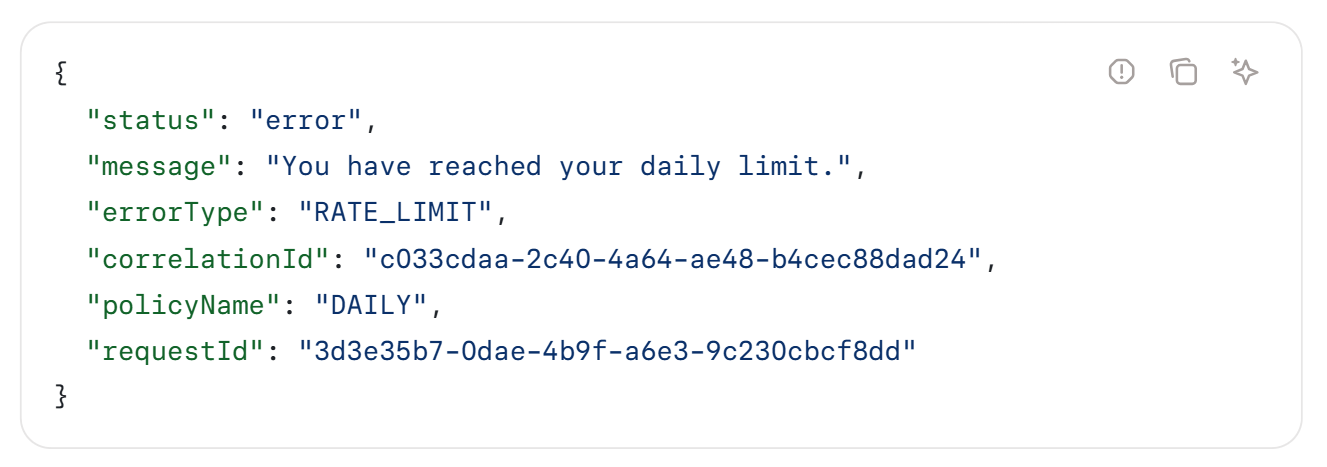
Each platforms impose API charge limits that have an effect on customized integrations. HubSpot’s non-public app charge limits vary from 100 to 190 requests per 10 seconds relying on plan tier. Klaviyo’s tiered charge limits implement per-second and per-minute home windows that adjust by endpoint.
Supply: HubSpot
Third-party instruments carry their very own prices. Zapier fees by duties (every synced document counts). Outfunnel fees by linked contacts.
Permissions and Entry
Establishing the native integration requires admin entry in each HubSpot and Klaviyo. In HubSpot, you want account admin or tremendous admin rights to put in market apps and authorize OAuth connections. In Klaviyo, Proprietor or Admin position entry is required to generate API keys and authorize third-party integrations. If both platform makes use of SSO or IP restrictions, guarantee the mixing service can authenticate.
Upkeep
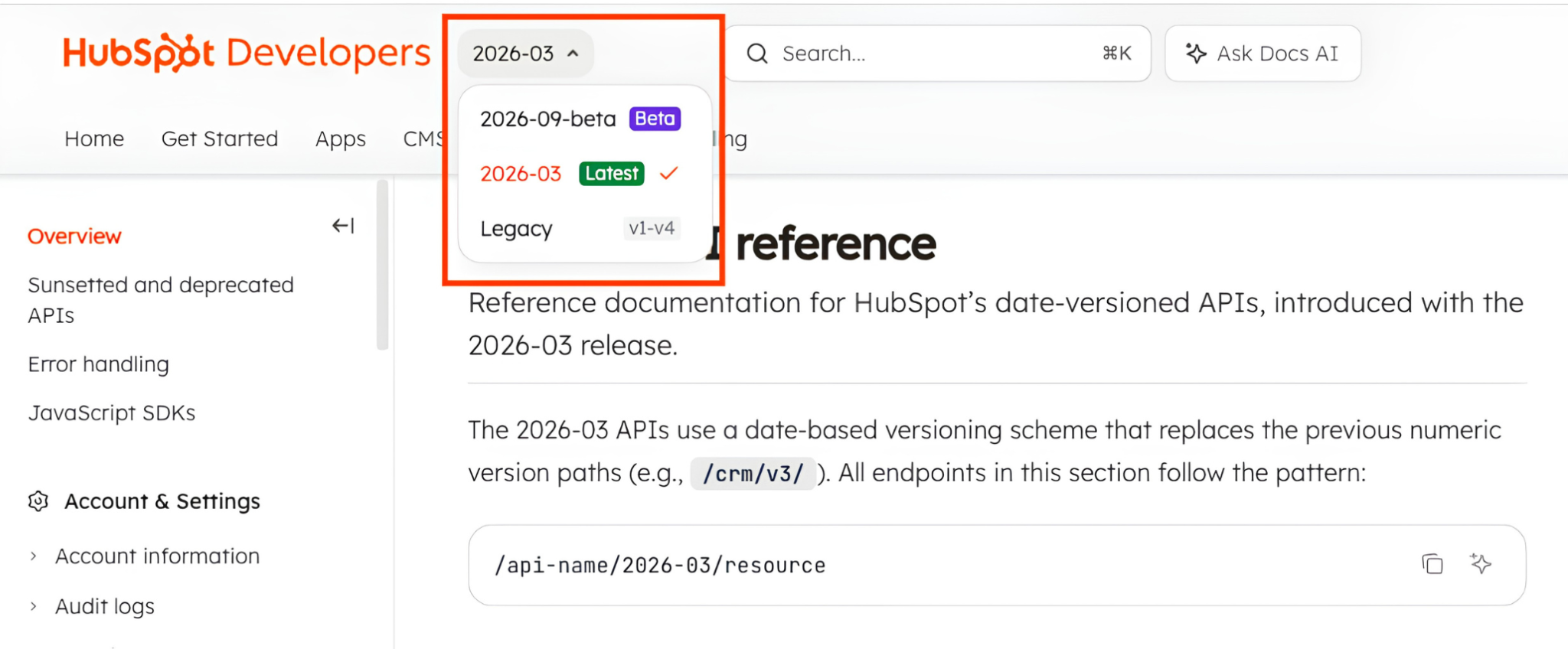
Each platforms evolve independently. HubSpot launched date-based API versioning in March 2026, with variations supported for at least 18 months. Klaviyo follows a documented versioning and deprecation coverage with its personal revision schedule.
Supply: Hubspot
The native integration (maintained by KAV Labs) is determined by that developer protecting the app present with each platforms’ API modifications. Customized fields added after the preliminary setup is not going to sync except the mixing configuration is up to date. Plan for periodic opinions of the mixing’s well being and accuracy.
What No Technique Fixes: The Knowledge Itself
Each technique above strikes information between HubSpot and Klaviyo. None of them checks whether or not these information are correct, full, or present. A contact with a stale e mail deal with in HubSpot syncs as a contact with a stale e mail deal with in Klaviyo. A profile with lacking firm attributes travels simply as reliably as a clear one. The combination ensures each programs agree; it doesn’t guarantee they’re proper.
The place ZoomInfo Matches In
Each technique on this information strikes knowledge between HubSpot and Klaviyo. None of them improves the info being moved. When the mixing is stay however advertising campaigns bounce as a result of e mail addresses are outdated, or gross sales reps waste calls on contacts who modified jobs two quarters in the past, the bottleneck is not the connector.
That’s the hole ZoomInfo closes.
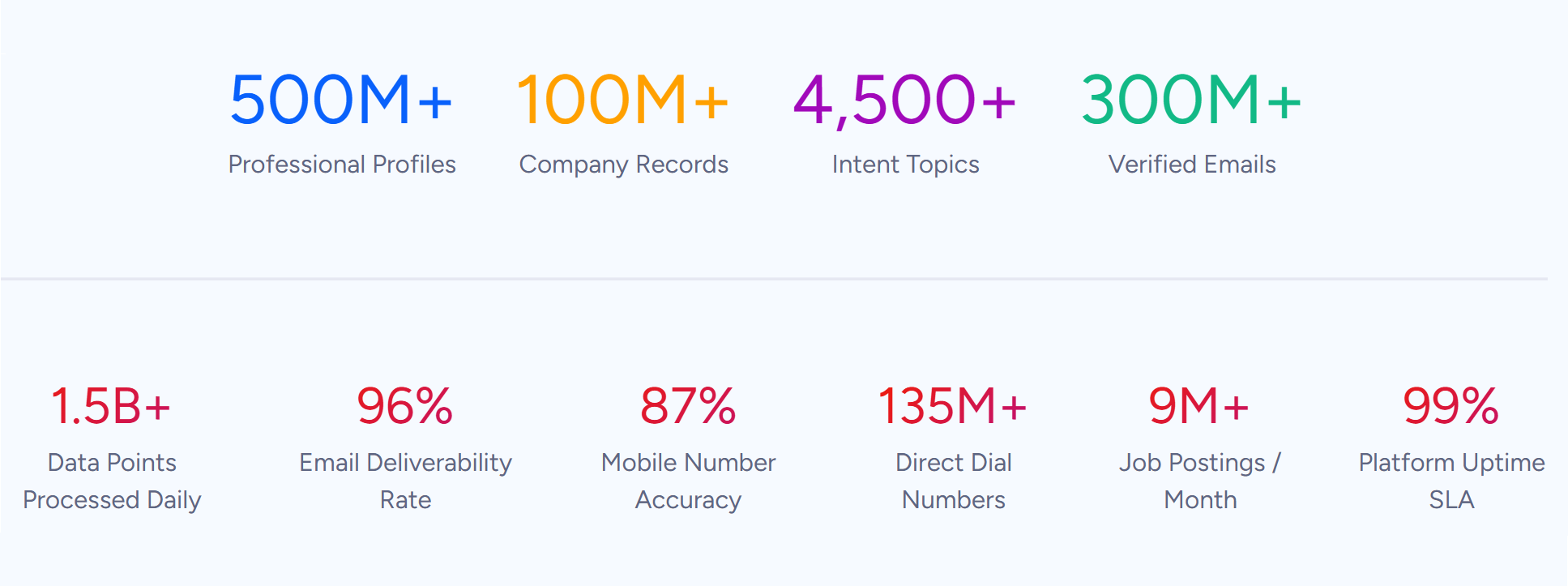
ZoomInfo is an AI go-to-market platform constructed on 500M contacts, 100M corporations, 135M+ verified telephone numbers, and 200M+ verified enterprise e mail addresses. For groups working a HubSpot-Klaviyo integration, ZoomInfo addresses the info high quality layer that no connector handles.
Supply: ZoomInfo
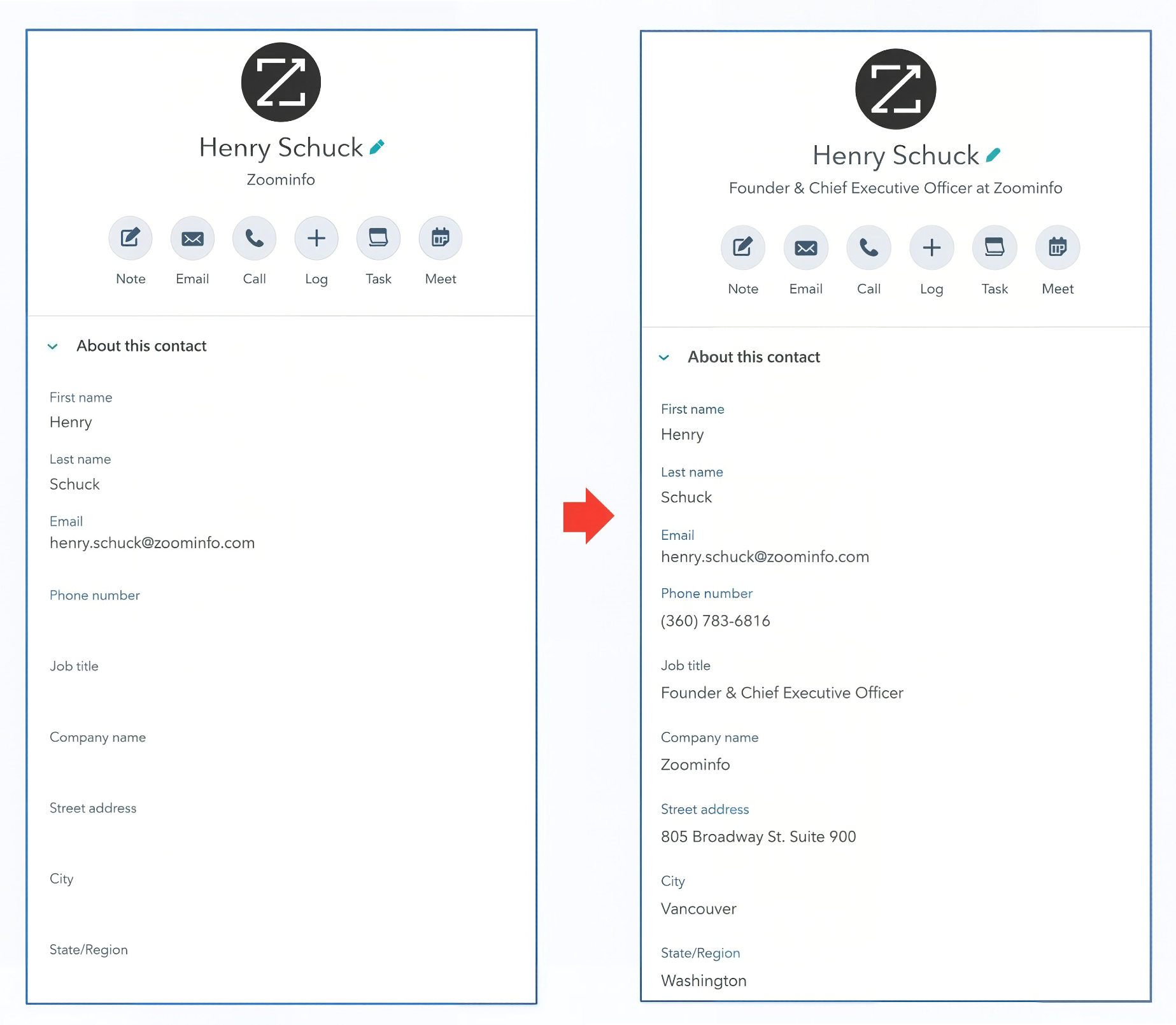
ZoomInfo integrates natively with HubSpot by the ZoomInfo Inbound Enrich app, offering automated contact and firm knowledge enrichment inside HubSpot. Contacts coming into HubSpot by kinds, imports, or guide entry are enriched with verified emails, direct dials, job titles, firm attributes, and technographics in actual time.
Supply: ZoomInfo
That enriched knowledge then flows by no matter HubSpot-Klaviyo connector the workforce has chosen, so Klaviyo campaigns goal contacts with correct, present info.
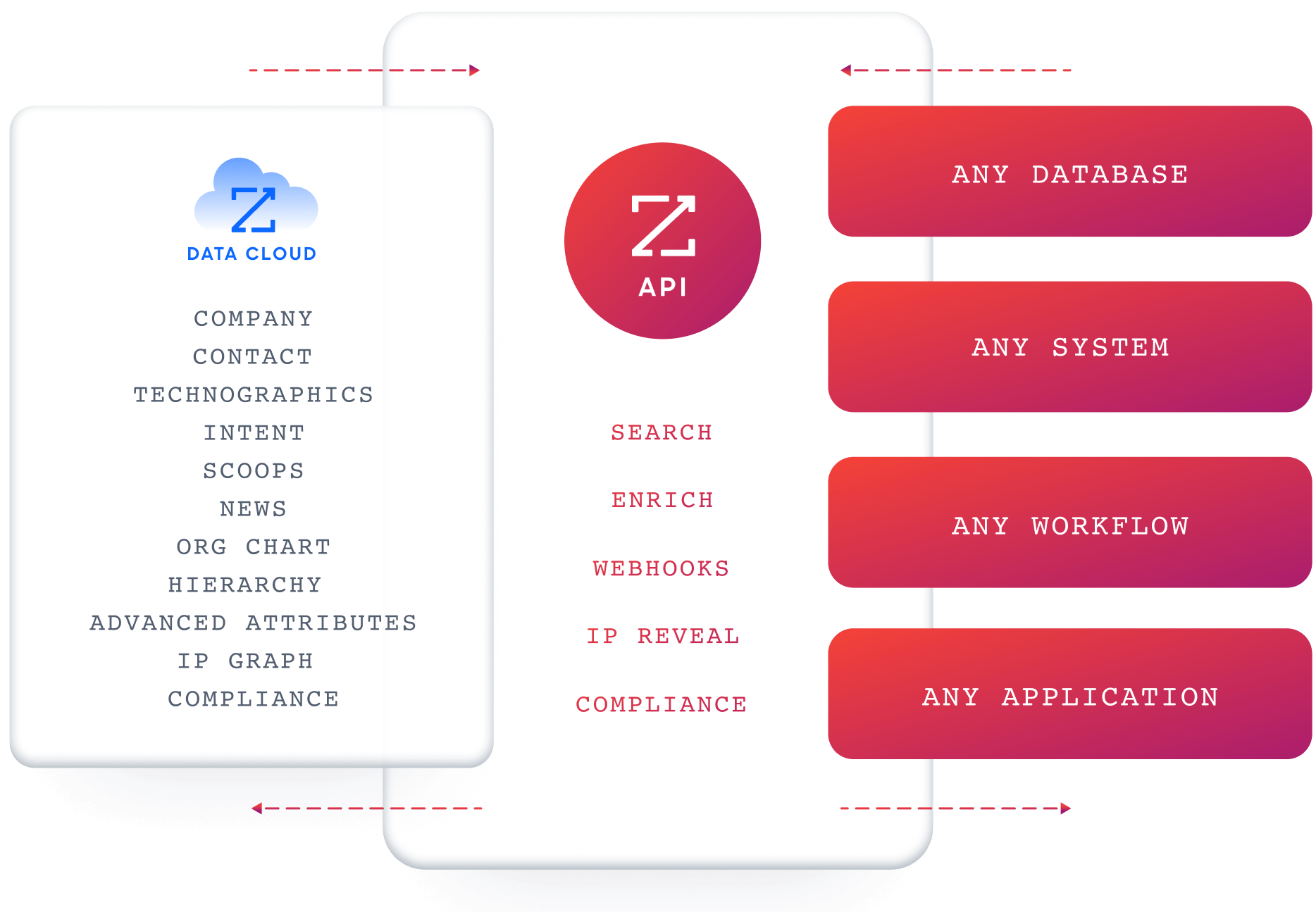
For Klaviyo particularly, ZoomInfo’s Enterprise API and MCP server can push enriched knowledge into any system by customized integrations or workflow automation instruments.
Supply: ZoomInfo
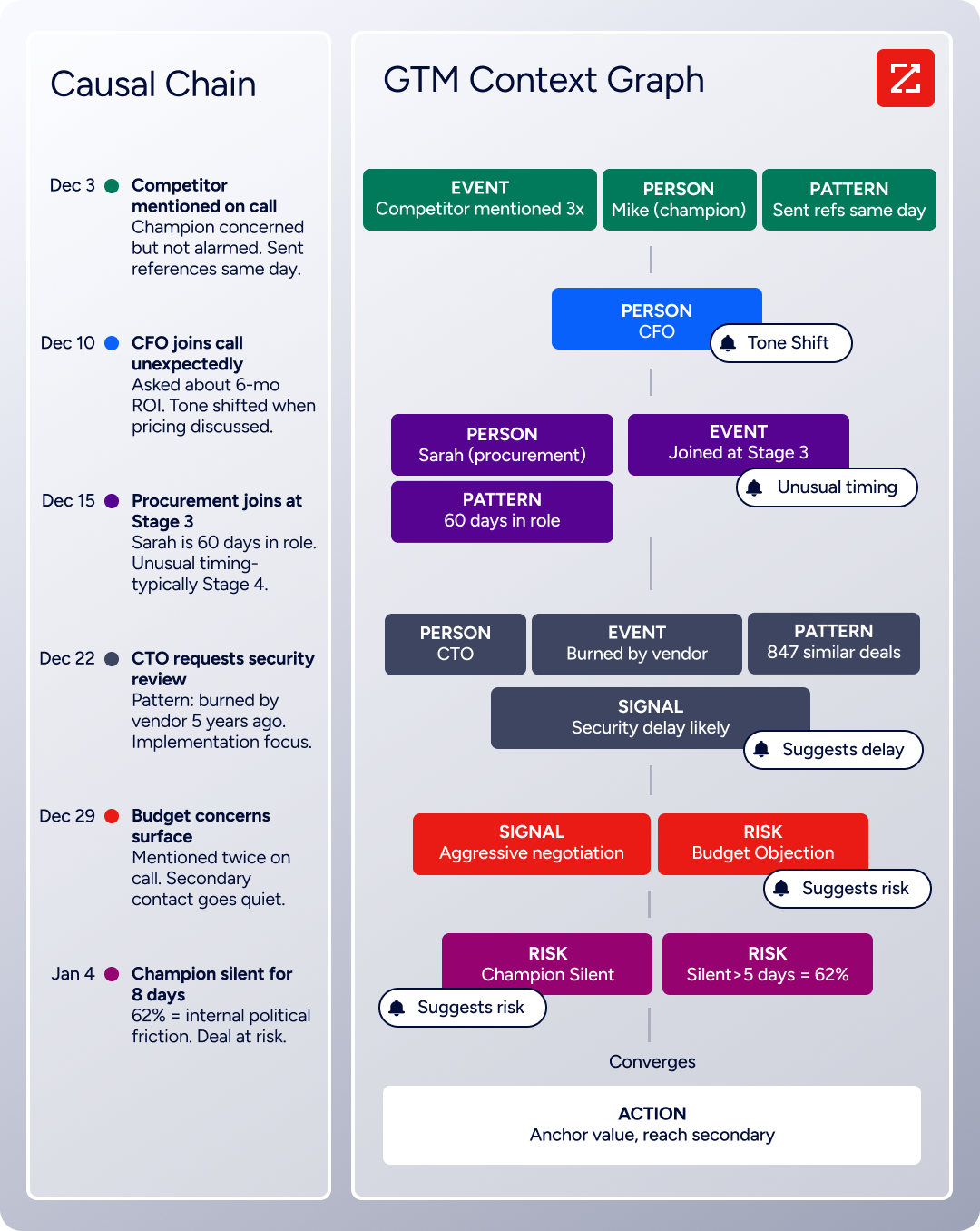
The identical knowledge feeds ZoomInfo’s GTM Context Graph, which processes 1.5B+ knowledge factors every day by combining ZoomInfo’s B2B knowledge along with your CRM information, dialog transcripts, and behavioral alerts to floor not simply what occurred in a deal, however why.
Supply: ZoomInfo
In apply, a workforce working each platforms can use ZoomInfo to counterpoint information in HubSpot (the place the native integration handles it robotically), then sync these enriched information to Klaviyo by the Klaviyo for HubSpot connector.
The end result: Klaviyo e mail campaigns attain verified inboxes, SMS flows goal correct telephone numbers, and segmentation in Klaviyo displays present job titles, firm sizes, and industries slightly than knowledge that decayed months in the past.
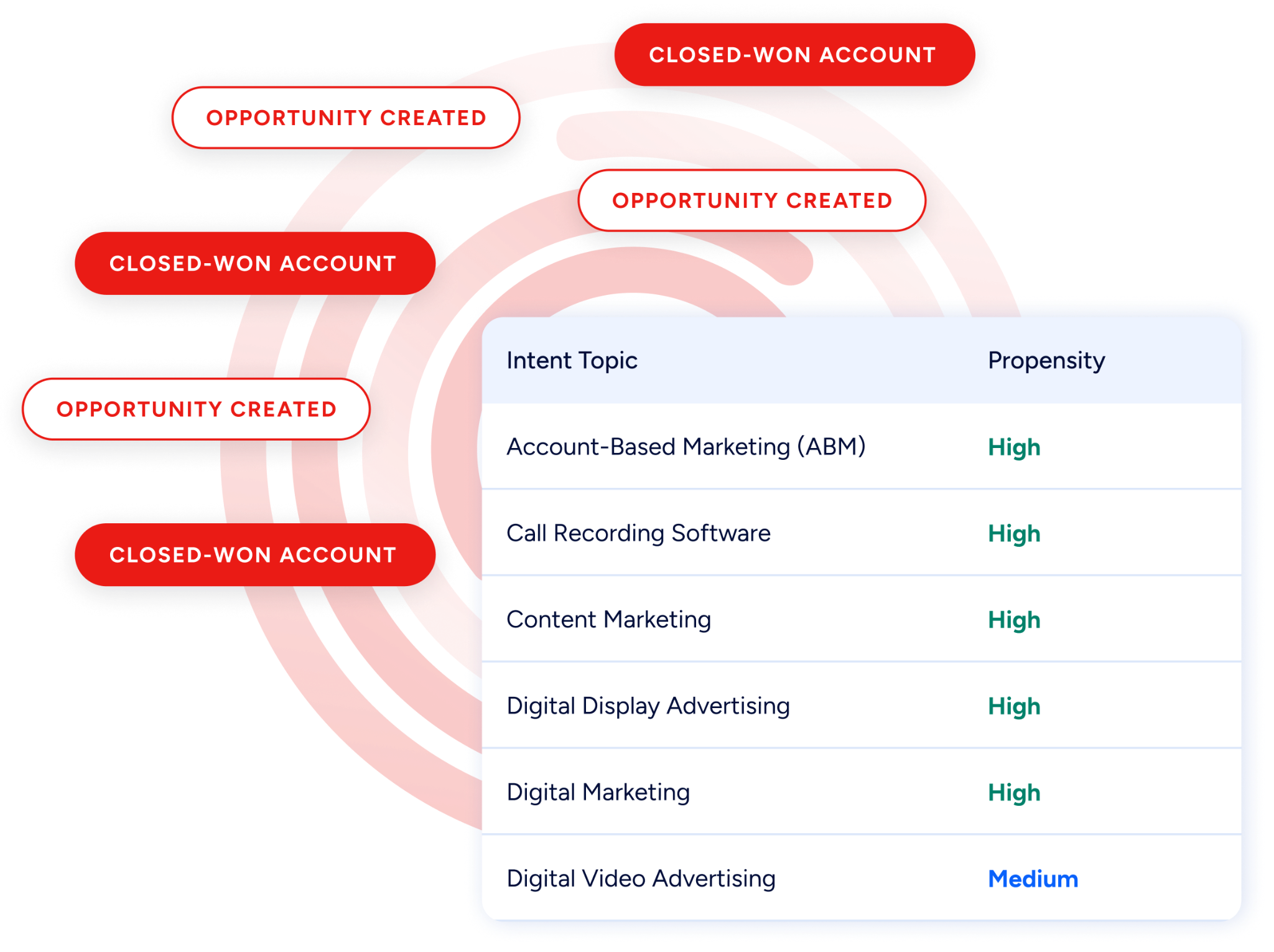
Purchaser Intent knowledge from ZoomInfo, monitoring alerts from 210 million IP-to-Group pairings, may be routed into HubSpot to prioritize accounts actively researching related options, and that prioritization carries by to Klaviyo campaigns.
Supply: ZoomInfo
Enriched information additionally make the mixing itself extra dependable. Fewer clean fields imply fewer mismatches throughout deduplication. Constant formatting throughout information reduces the false positives that create duplicates. And intent alerts assist groups resolve which information have to exist in each programs, slightly than syncing all the pieces indiscriminately.
Seismic’s gross sales workforce attributed 39% of energetic pipeline to alternatives recognized or influenced by ZoomInfo alerts, whereas boosting productiveness by 54% and saving 11.5 hours per week. (Seismic)
Remaining Verdict
A local HubSpot-Klaviyo integration exists, supplemented by third-party instruments and customized API choices. For many groups, the fitting alternative is determined by knowledge complexity and the way deeply the 2 platforms have to work together.
-
Small groups syncing contacts and engagement knowledge between HubSpot and Klaviyo ought to begin with the native Klaviyo for HubSpot integration. It’s free, bidirectional, and requires no engineering assets.
-
Groups that want event-driven workflows (triggering Klaviyo flows based mostly on HubSpot deal levels, or syncing particular type submissions with conditional logic) ought to add Zapier on prime of the native integration to deal with the eventualities it doesn’t cowl.
-
Organizations with complicated knowledge fashions, customized objects, or enterprise logic that should be enforced throughout sync ought to put money into a customized API integration.
Earlier than committing to a technique, make clear why each platforms have to coexist.
If the reply is non permanent (a migration in progress, a workforce evaluating whether or not to consolidate), preserve the sync easy and plan for eventual consolidation. If the reply is structural (HubSpot serves the B2B gross sales movement whereas Klaviyo powers B2C e mail and SMS advertising, and each are staying), put money into a technique that helps bidirectional sync and handles the info mannequin variations between the 2 platforms.
Both means, the standard of the info in each programs determines whether or not the mixing delivers worth or simply replicates issues at twice the velocity.
ZoomInfo, with its native HubSpot integration and API and MCP entry, is the info enrichment layer that retains each programs correct whereas the connector retains them aligned.
FAQ
Does a local HubSpot-Klaviyo integration exist?
Sure. Klaviyo for HubSpot (by KAV Labs) is out there within the HubSpot App Market and gives bidirectional sync of contacts and advertising engagement knowledge. The combination is free to put in and doesn’t require a paid tier on both platform past the bottom subscriptions. Extra integrations can be found by Outfunnel and Zapier to be used instances the native connector doesn’t cowl.
What knowledge syncs between HubSpot and Klaviyo?
The native integration syncs contact information (title, e mail, telephone, customized properties), record and phase memberships, lifecycle levels, and advertising engagement knowledge (e mail opens, clicks, unsubscribes). Offers, tickets, and customized objects in HubSpot don’t sync by the native integration. To sync these, use Zapier or a customized API integration.
Can I sync HubSpot deal knowledge into Klaviyo?
Not by the native integration. Deal knowledge (stage, worth, shut date) requires both a Zapier Zap that triggers on deal stage modifications and pushes the info to Klaviyo as a customized occasion or profile property, or a customized API integration that maps HubSpot deal objects to Klaviyo occasions. As soon as deal knowledge reaches Klaviyo, it will probably set off automated flows (e.g., a post-purchase sequence when a deal closes received).
Will syncing my HubSpot contacts to Klaviyo enhance my Klaviyo invoice?
Probably. Klaviyo’s pricing scales with the variety of energetic profiles. In case your HubSpot database comprises hundreds of contacts not at present in Klaviyo, syncing them will enhance your Klaviyo energetic profile rely, which can push you into the next pricing tier. Configure the mixing to sync solely marketing-eligible contacts slightly than the whole HubSpot database to regulate prices.
How do I keep away from duplicate contacts when syncing?
Use e mail deal with because the matching key. Each platforms determine contacts primarily by e mail. The native integration matches information by e mail to forestall duplicates. For Zapier, add a “Discover Profile” step in Klaviyo earlier than creating a brand new one, and use HubSpot’s search step earlier than creating a brand new contact. Customized API integrations ought to use upsert logic on either side.
Can Klaviyo e mail engagement knowledge seem in HubSpot?
Sure. The native integration can push Klaviyo engagement knowledge (opens, clicks, unsubscribes) into HubSpot contact information. Outfunnel additionally handles this use case, making Klaviyo marketing campaign engagement seen on HubSpot contact timelines so gross sales reps can see which emails a prospect interacted with earlier than making outreach calls.
What permissions are wanted to arrange the mixing?
Admin entry in each platforms. In HubSpot, you want account admin or tremendous admin rights to put in apps from {the marketplace}. In Klaviyo, Proprietor or Admin position entry is required to authorize third-party integrations. For customized API integrations, you additionally want the flexibility to create non-public apps (HubSpot) and generate API keys (Klaviyo).
How does ZoomInfo enhance a HubSpot-Klaviyo integration?
ZoomInfo solves the info high quality drawback that no sync instrument addresses. Contact information decay over time as folks change jobs, e mail addresses go inactive, and firm particulars shift. ZoomInfo enriches HubSpot information with verified contact knowledge, firm attributes, technographics, and intent alerts by its native HubSpot integration.
When these enriched information sync to Klaviyo, e mail campaigns attain actual inboxes, SMS flows goal correct telephone numbers, and segmentation displays present info. The information flowing between each programs stays correct and full, decreasing bounce charges, enhancing marketing campaign efficiency, and eliminating noise from stale information.
See HubSpot along with your different instruments:

