

A developer evaluating an API integration with a digital intelligence platform asks one query: can I pull this information into my very own pipeline, on the quantity I would like, with out the platform’s UI bottlenecking me?
Similarweb’s API is a REST floor backed by one of many bigger digital information repositories available on the market, protecting 100M+ web sites, 4M+ apps, and 10 years of historic information.
The developer docs are public throughout two portals (V4 and the newer V5), the endpoint catalogue spans web site analytics, app intelligence, key phrase analysis, firm information, and ecommerce datasets, and a Batch API can pull as much as a million domains in a single request. That may be a broad programmatic floor for a digital intelligence platform.
However breadth of knowledge and health in your construct are totally different questions.
Similarweb’s API delivers digital efficiency information: web site visitors, engagement metrics, key phrase analytics, app utilization, technographics, and ecommerce alerts. If it is advisable to pipe aggressive internet analytics or market intelligence right into a dashboard, a knowledge warehouse, or an AI workflow, the API matches that job. But when your pipeline additionally wants B2B contact information (verified emails, direct-dial cellphone numbers, org charts), purchaser intent alerts tied to particular firms, or AI-powered account intelligence, that may be a totally different information layer totally.
That is the place ZoomInfo’s API enters the image: the Enterprise API is a REST suite protecting search, enrichment, and AI intelligence throughout 500M contacts and 100M firms, with OAuth 2.0 authentication, tiered fee limits as much as 35 req/sec, and an MCP server for AI-agent workflows.
The 2 APIs sit at totally different layers: Similarweb tells you what is going on on an internet site or in a market; ZoomInfo tells you who’s behind these firms and whether or not they’re prepared to purchase.
This evaluate covers the Similarweb API in full technical depth first, then evaluations ZoomInfo’s API because the B2B intelligence layer that picks up the place digital analytics stops.
Similarweb API at a Look
Similarweb API: What Works Effectively & What to Plan Round
|
What works properly |
What to plan round |
|---|---|
|
Public docs with interactive API reference, no login required to browse |
API entry is enterprise-only: no self-serve signup, no revealed pricing |
|
Batch API handles as much as 1M domains per request for large-scale extraction |
REST API fee restrict is 10 req/sec, with no documented larger tiers |
|
V5 helps multi-metric requests in a single name |
No official SDKs: all integrations are uncooked HTTP |
|
Information credit mannequin permits you to pay for what you question |
Credit score prices per endpoint are usually not publicly documented |
|
OpenAPI spec and llms.txt index obtainable for AI tooling |
Scope is digital analytics solely: no B2B contact information, no direct dials, no org charts |
|
Public changelog tracks deprecations and new endpoints |
API key auth solely: no OAuth, no scoped delegated entry |
Similarweb API: Authentication & Getting Began
Supply: Similarweb
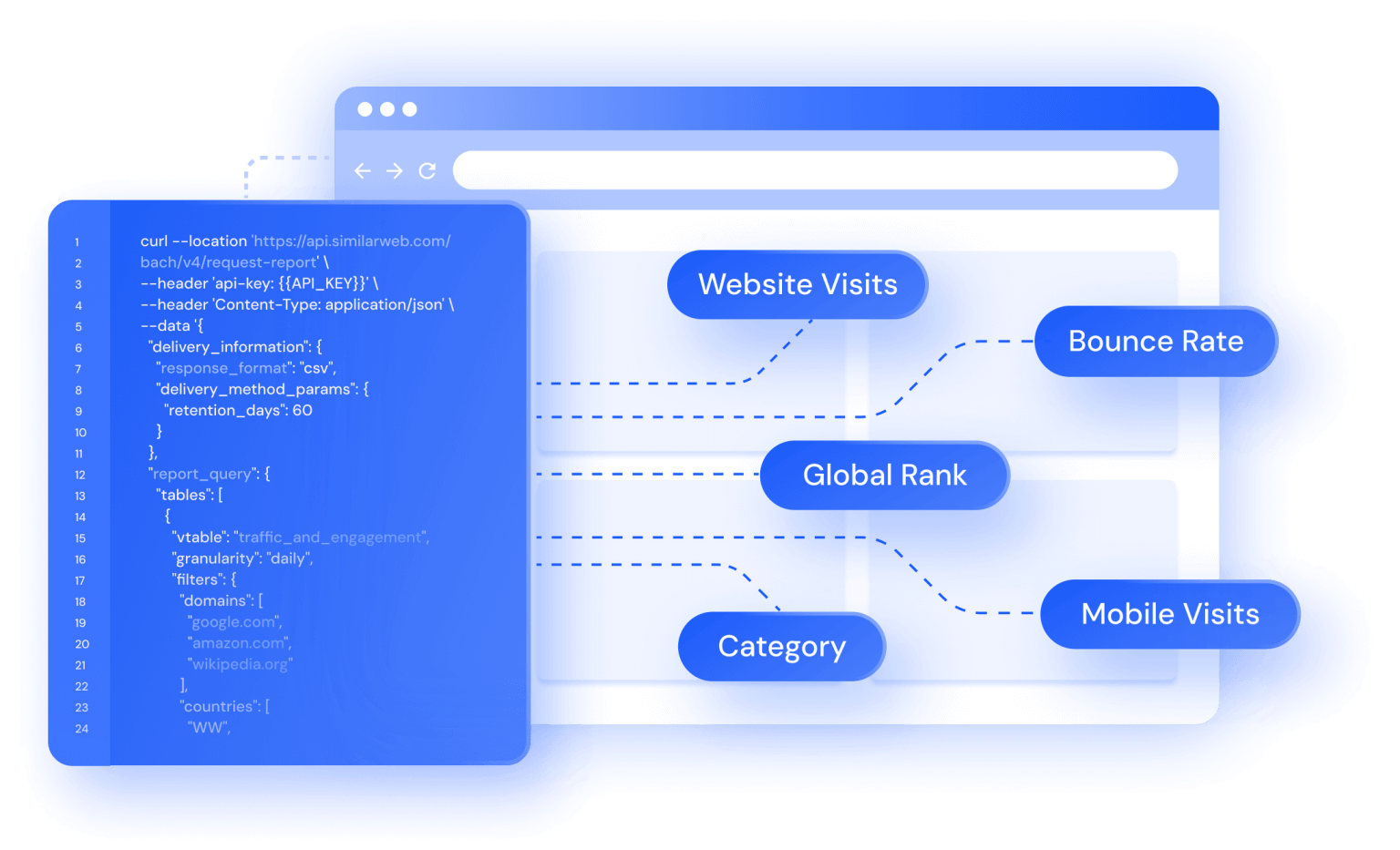
API entry shouldn’t be obtainable on Similarweb’s free instruments or self-serve plans. The API is a part of the Information as a Service providing, and each the API advertising and marketing web page and the integrations web page direct prospects to “Communicate to a knowledge skilled.” There isn’t any developer-tier signup, no free API credit, and no trial API key.
After you have a subscription, account admins generate API keys by way of the Similarweb platform underneath Settings, Account, API. Admins can create both a Commonplace API key (for REST endpoints) or a Batch API key, and might assign keys to particular customers by e mail handle. A generated key should be activated earlier than it’ll settle for requests; an inactive key returns an “Invalid API key” error.
Authentication is simple. Cross the important thing as an api-key header in every request:
curl “https://api.similarweb.com/v4/web site/instance.com/total-traffic-and-engagement/visits?api_key=YOUR_API_KEY&start_date=2026-01&end_date=2026-03&nation=world&granularity=month-to-month&main_domain_only=false”
There isn’t any OAuth stream, no token trade, and no credential rotation mechanism. In V5, a single API key covers each REST and Batch endpoints, eliminating the necessity to handle separate keys. That may be a sensible enchancment for groups operating each real-time queries and bulk extraction.
One element price noting: the Test Capabilities endpoint permits you to question what information your subscription authorizes earlier than you begin constructing. The Test Consumer Utilization and Test Credit score Stability endpoints allow you to monitor consumption programmatically. These aid you keep away from surprises in manufacturing.
Similarweb API: Core Endpoints & Capabilities
Supply: Similarweb
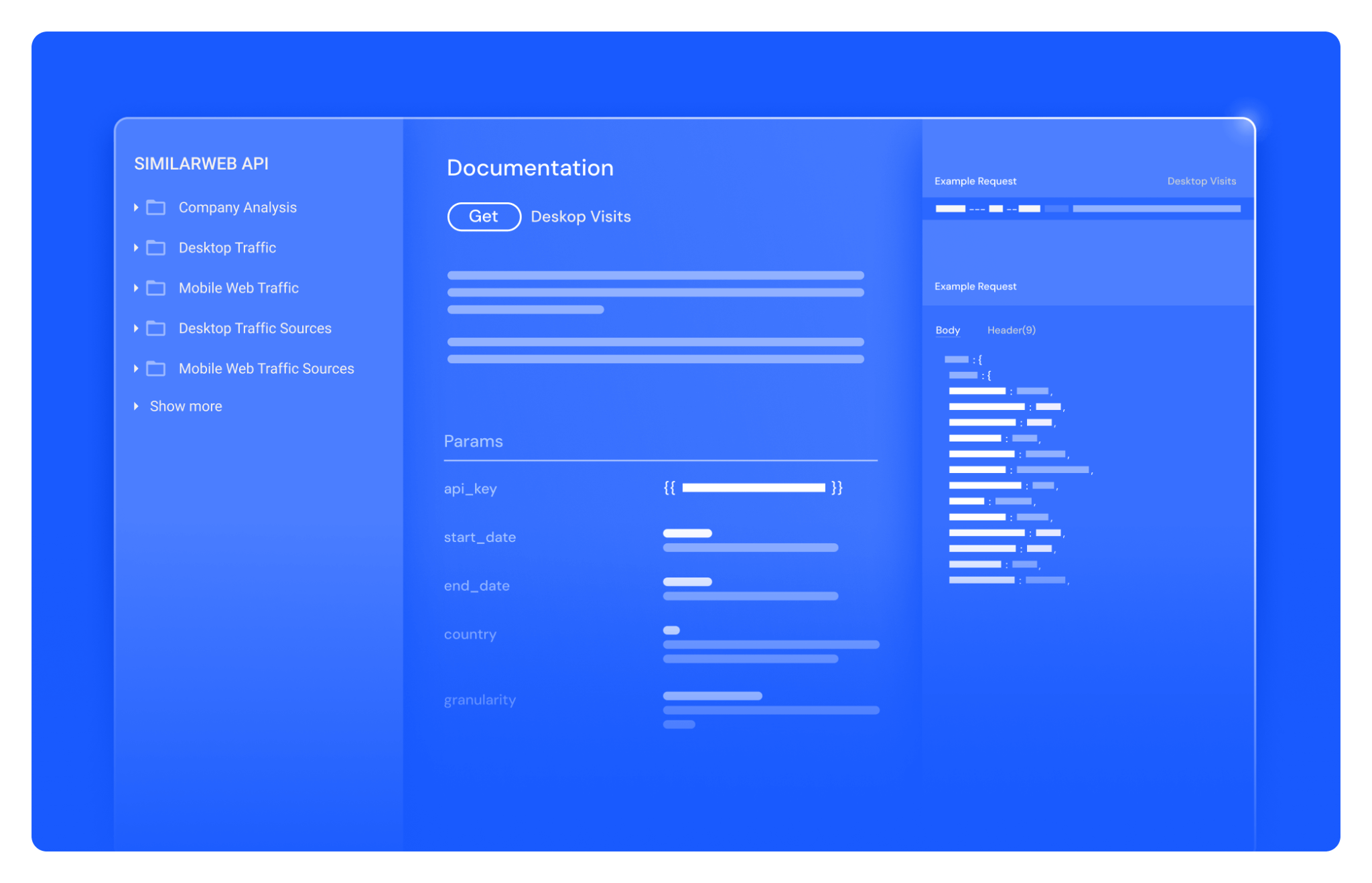
The API is organized round a number of useful resource areas, all returning JSON. The endpoint catalogue covers web site visitors, search and key phrases, app intelligence, firm information, and ecommerce.
Two supply modes serve totally different integration patterns: the REST API for real-time, on-demand queries and the Batch API for large-scale, asynchronous extraction.
Web site Evaluation
That is the first useful resource space and the deepest a part of the API.
Site visitors & Engagement: Endpoints cowl visits (desktop, cell, and mixed), distinctive guests, bounce fee, pages per go to, and common go to length. You’ll be able to slice information by nation and by time granularity (day by day, weekly, month-to-month).
Geography: Site visitors breakdowns by nation can be found for desktop, cell, and all visitors individually.
Rankings: International rank, nation rank, and business rank for any area.
Site visitors Sources: A visitors sources overview breaks down the place a web site’s guests come from, with devoted endpoints for referrals, social referrals, show publishers, advert networks, and PPC spend.
Viewers: Demographics by age and gender, viewers pursuits, viewers overlap between domains, new vs. returning guests, and desktop vs. cell break up.
Pages: Standard pages, subdomains, and folder-level breakdowns.
What you’ll construct with this: a aggressive intelligence dashboard that tracks your area’s visitors in opposition to 5 opponents, damaged down by supply and geography, refreshed day by day. Or a market-sizing pipeline that pulls visitors estimates for each area in a class to estimate addressable viewers.
Key phrases & Search
Key phrase evaluation endpoints cowl natural and paid key phrase opponents, SERP gamers by clicks over time, key phrase overviews, touchdown pages, and branded distribution by clicks.
What you’ll construct with this: an search engine optimisation monitoring system that tracks key phrase motion in your area and your opponents, feeding right into a BI instrument for weekly technique evaluations.
App Intelligence
Endpoints cowl month-to-month, day by day, and weekly lively customers for iOS and Android, app downloads, periods, retention, demographics, app rankings, prime iOS and Android apps by class, app particulars, and associated websites/apps cross-mapping.
Firm Evaluation
Firm-level analytics mixture visitors and engagement information throughout all domains an organization owns, plus a lead enrichment endpoint that returns firm attributes and digital efficiency information for a given area.
Applied sciences & Segments
The web site applied sciences endpoint detects the tech stack operating on a site. Customized segments allow you to outline and question visitors information for particular sections of a web site.
Batch API: Bulk Extraction
The Batch API handles large-scale information pulls. It helps dataset-level exports throughout Web sites, Web sites Viewers & Demographics, Search, On-Website Search, Apps (with SDK/technographics detection), Firms (firm attributes), Applied sciences, and Ecommerce (Shopper Intelligence, together with conversion evaluation).
Batch jobs are submitted asynchronously and outcomes might be routed on to S3, Snowflake, or Google Cloud Storage. The capability is as much as a million domains in a single request, which makes this the best path for any pipeline pulling information at portfolio or market-wide scale.
V5 Enhancements
V5 added multi-metric requests in a single name, a unified API key for REST and Batch, and standardized response codecs throughout all endpoints. If you’re beginning a brand new integration, V5 is the beneficial floor.
Similarweb API: Webhooks & Occasions
Similarweb helps webhooks on each the REST and Batch APIs.
The first use case is the Batch API: after you submit a bulk report, Similarweb sends a POST notification to your registered endpoint when the report is able to obtain. This eliminates polling and permits automated reporting pipelines.
REST API webhooks are managed by way of devoted endpoints: subscribe, unsubscribe, checklist subscriptions, and authorize. You’ll be able to subscribe to Each day or Month-to-month occasions, receiving notifications when new information turns into obtainable for tracked domains or metrics.
Webhook authentication makes use of an X-sw-authorization token that expires 5 minutes after concern. You’ll be able to validate your endpoint with the take a look at webhook endpoint:
POST https://api.similarweb.com/v3/batch/webhooks/take a look at
{ “webhook_url”: “http://your-endpoint.com/instance” }
Two constraints to plan round:
-
No retry habits or dead-letter queue is documented. Design your receiver to deal with missed deliveries, and make sure the supply contract with Similarweb in case your pipeline depends upon assured notification.
Similarweb API: SDKs, Docs & Fee Limits
SDKs & Libraries
Similarweb doesn’t publish official SDKs in any language. All code examples within the developer documentation use uncooked HTTP calls by way of Python’s requests library or generic HTTP instruments. No official packages exist for Python, Node.js, Ruby, Go, or every other language.
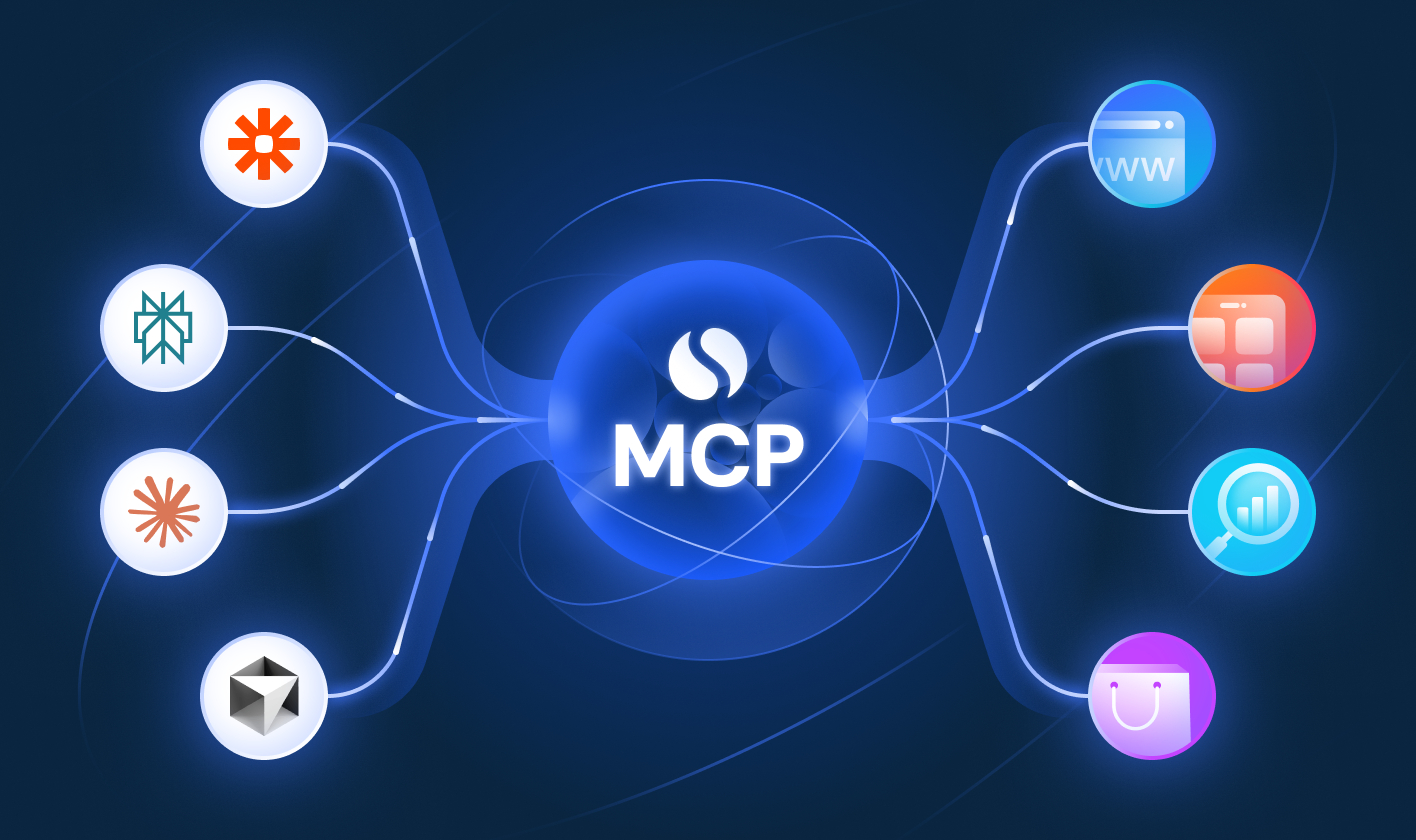
The Similarweb MCP Server is the closest factor to a higher-level consumer: it wraps the API within the Mannequin Context Protocol in order that AI assistants (Claude, Cursor, Microsoft Copilot Studio) can question Similarweb information by way of pure language with out direct API calls. If you’re constructing AI-powered workflows, the MCP path could also be easier than the uncooked REST API.
Supply: Similarweb
No official SDK means you personal the authentication layer, request development, error dealing with, rate-limit backoff, and response parsing. For a easy dashboard integration, that’s manageable. For a manufacturing pipeline making lots of of calls throughout a number of endpoint teams, it provides actual engineering overhead.
Documentation & Developer Expertise
Similarweb maintains two lively developer portals:
The V4 reference is well-structured, with particular person pages per endpoint exhibiting request parameters, authentication headers, and pattern responses.
An OpenAPI specification is offered by way of builders.similarweb.com/llms.txt, offering a machine-readable index of all pages and endpoints for AI tooling and code mills.
A public changelog tracks new endpoints, deprecations, and integration additions. The changelog exhibits lively upkeep with a number of endpoint additions over the previous yr. Deprecated endpoints get advance discover (the Demographics 1.0 deprecation, for instance, was introduced months earlier than its cutoff).
Developer help is offered by way of a contact help kind with routing to technical specialists. No public developer neighborhood discussion board, Slack workspace, or Stack Overflow tag is referenced within the documentation.
Fee Limits & Constraints
The REST API is capped at 10 requests per second. Exceeding this returns HTTP 429 “Too many requests.” Similarweb recommends capping any integration at 10 requests per second.
No larger rate-limit tiers are documented. In case your pipeline wants sustained throughput above 10 req/sec on the REST API, you would want to barter with Similarweb immediately. The Batch API has no per-second fee restrict because it operates asynchronously: you submit a bulk job and retrieve outcomes when they’re prepared.
API calls eat Information Credit, a usage-based metering system. Credit are charged primarily based on what information you request reasonably than a flat per-call charge. The deprecated API Lite endpoint costs a hard and fast 350 information credit per name, however credit score prices for particular person V4/V5 endpoints are usually not publicly documented.
Three utility endpoints aid you handle consumption:
V4 added pagination throughout 60+ endpoints by way of restrict and web page parameters, which issues for endpoints that return giant end result units (widespread pages, key phrase lists, referral domains).
Similarweb API Pricing & Entry Prices
Similarweb’s API has no public pricing. Each the API advertising and marketing web page and the integrations web page direct prospects to “Communicate to a knowledge skilled,” indicating a sales-led, enterprise buying course of.
What is thought:
-
Customers with a Enterprise bundle or larger reportedly obtain API entry at no extra price, although the Enterprise bundle itself shouldn’t be publicly priced.
-
API utilization is metered by way of Information Credit. Credit refresh on a set schedule, however the per-endpoint credit score price shouldn’t be revealed throughout the board. The one first-party credit score price documented is the deprecated API Lite endpoint at 350 information credit per name.
-
Sure integrations (for instance, the Snowflake connector) require chatting with a Similarweb consultant to allow.
For a developer sizing prices: with out revealed costs or credit score charges, you can not estimate the price of a particular integration with out participating Similarweb’s gross sales staff. This can be a actual barrier for builders evaluating this API in opposition to alternate options with clear pricing.
The place the Similarweb API Falls Brief
These are sensible limits a developer ought to plan round, not criticisms. A number of are scope choices that mirror what Similarweb’s API is (a digital analytics information floor) and what it’s not.
No B2B contact information. The API covers web sites, apps, key phrases, firms (by their digital footprint), and ecommerce alerts. It doesn’t embrace verified enterprise e mail addresses, direct-dial cellphone numbers, employment historical past, org charts, or buying-committee intelligence. In case your pipeline must go from “this firm’s web site visitors spiked” to “right here is the VP of Advertising’s verified e mail and cellphone quantity,” you want a second API.
No purchaser intent alerts. Similarweb tracks what is going on on the net (visitors tendencies, know-how adoption, aggressive shifts), however it doesn’t floor which firms are actively researching your class or exhibiting in-market shopping for habits. Intent information tied to particular accounts requires a separate supplier.
Enterprise-only entry with no revealed pricing. There isn’t any free API tier, no self-serve signup, and no revealed worth checklist. A developer evaluating the API can’t estimate prices and not using a gross sales dialog. This contrasts with APIs that publish per-call charges or free tiers for testing.
10 req/sec fee restrict with no documented improve path. The REST API ceiling is 10 requests per second with no revealed larger tiers. For real-time integrations that want sustained larger throughput, this can be a onerous constraint. The Batch API handles quantity at scale, however it’s asynchronous: you can not use it for real-time queries.
No official SDKs. Each integration is uncooked HTTP. You construct and preserve the auth layer, the request serialization, the error dealing with, and the rate-limit backoff logic your self. For a platform with as many endpoint teams as Similarweb has, the dearth of maintained consumer libraries is an actual hole.
API key auth solely, no OAuth. Authentication is a static API key. There isn’t any OAuth stream, no token rotation, and no scoped delegated entry. For multi-tenant integrations the place every buyer authenticates with their very own Similarweb account, API-key auth is limiting.
No AI intelligence endpoints. Similarweb affords AI Studio and AI Brokers in its platform UI, however doesn’t expose these capabilities as API endpoints. There are not any programmatic surfaces for AI-generated account analysis, lookalike enlargement, or buying-committee suggestions.
ZoomInfo API: The B2B Intelligence Layer Past Digital Analytics
ZoomInfo is an AI-powered GTM platform constructed on the most important B2B dataset within the business. The place Similarweb’s API tells you what is going on on the net (which web sites are rising, the place visitors comes from, what key phrases are trending), ZoomInfo’s API tells you who’s behind these firms, tips on how to attain them, and whether or not they’re prepared to purchase.
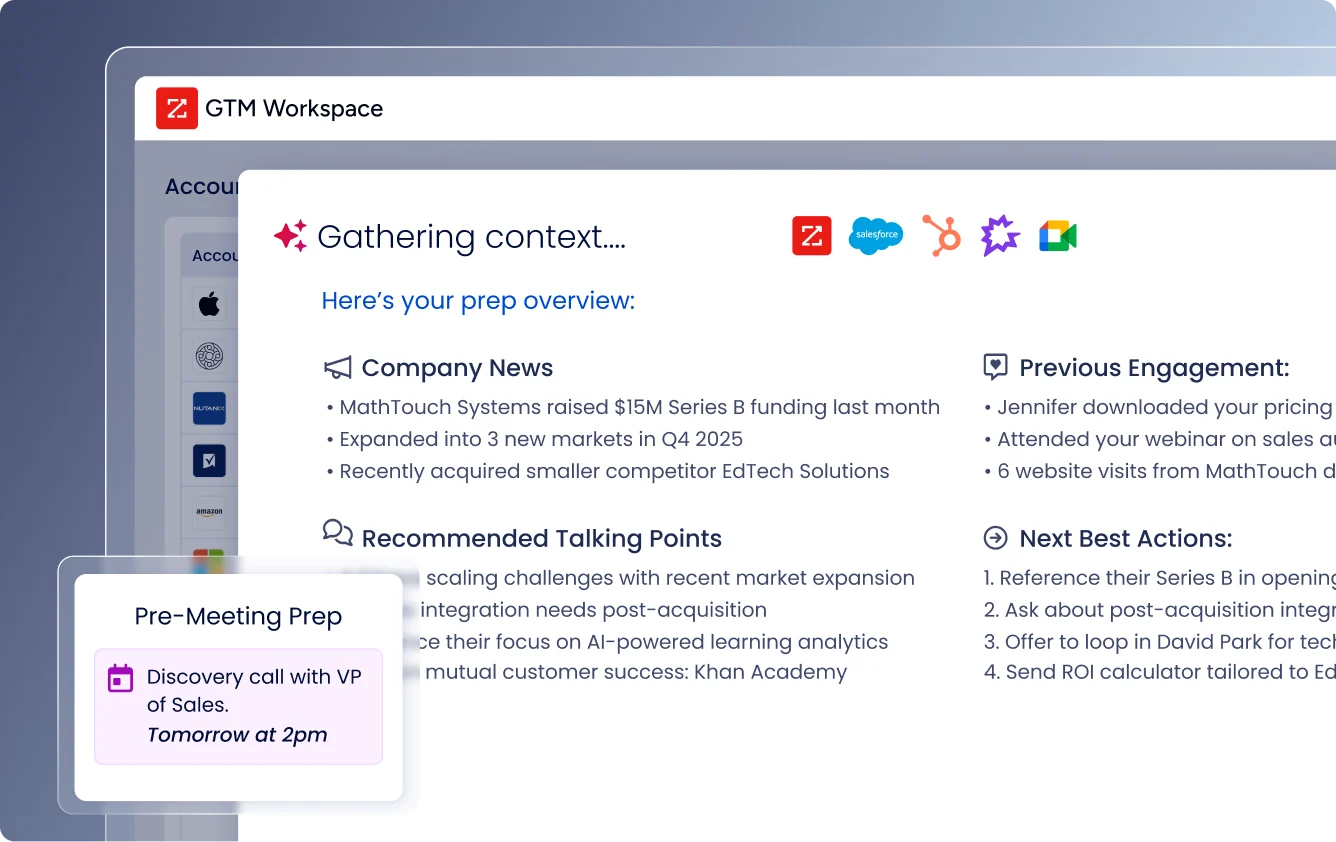
Its GTM Context Graph processes 1.5B+ information factors day by day and fuses ZoomInfo’s B2B information along with your first-party CRM data, dialog transcripts, and behavioral alerts to point out not simply what occurred, however why it occurred and what to do subsequent.
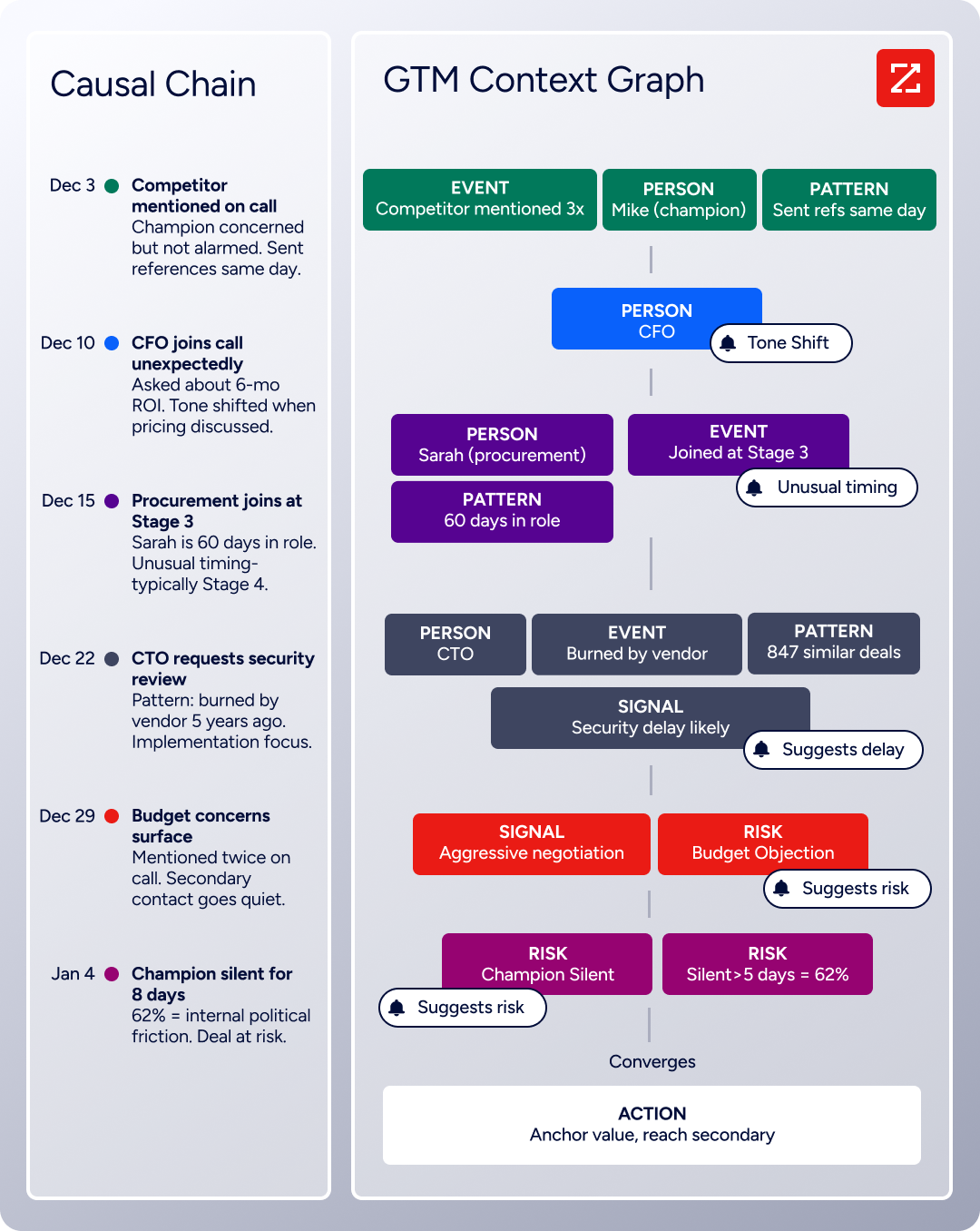
Groups entry this intelligence by way of the GTM Workspace for sellers, GTM Studio for entrepreneurs and RevOps, or the Enterprise API and MCP in any front-end.
The 2 APIs sit at totally different layers of a GTM information pipeline. A developer constructing an entire market intelligence system would use Similarweb’s API for the digital efficiency view and ZoomInfo’s API for the B2B contact and intent intelligence that digital analytics can’t present.
What the API Covers
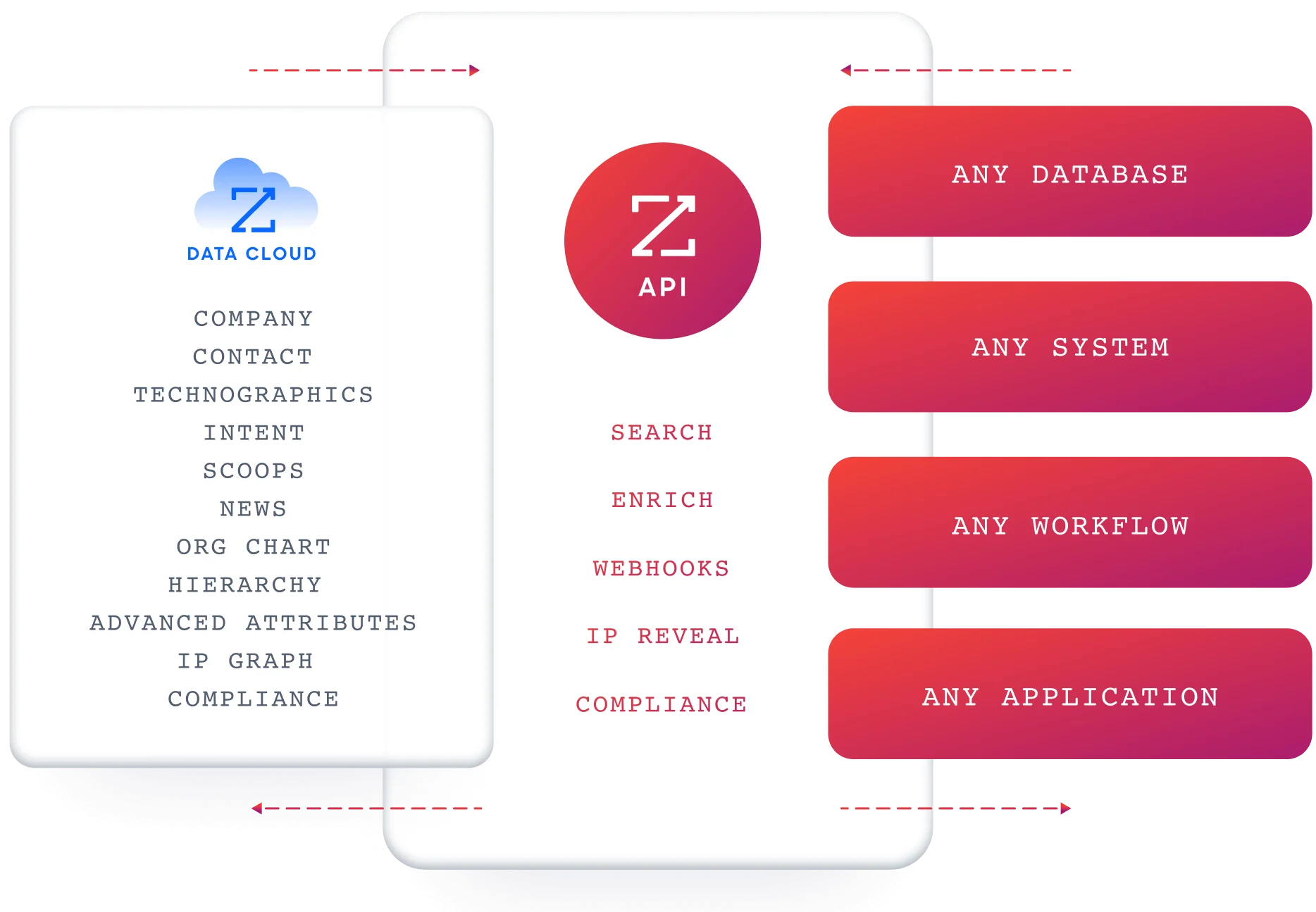
ZoomInfo’s Enterprise API is a REST suite served from https://api.zoominfo.com/gtm, organized into 4 areas documented within the interactive API reference:
-
Information API (Search & Enrich): Search endpoints cowl Contacts, Firms, Intent, Information, and Scoops, returning matched data with out consuming credit. Enrich endpoints unlock the total payload: enterprise emails, direct dials, employment historical past, company hierarchy, org charts, technographics, and hashtag alerts, as much as 25 data per name. The underlying dataset spans 500M contacts and 100M firms, 135M+ verified cellphone numbers, and 200M+ verified enterprise e mail addresses.
-
Copilot API (AI Intelligence, a part of GTM Workspace): Account Abstract returns structured account intelligence with a free-form Q&A endpoint. Discover Related Firms performs lookalike enlargement. Contact Suggestions returns AI-ranked buying-committee recommendations by movement (prospecting, deal acceleration, renewals).
The pairing with a digital analytics API is direct: use Similarweb to determine which firms are rising, shifting visitors sources, or adopting new applied sciences, then use ZoomInfo to search out and enrich the decision-makers at these firms. The search-then-enrich sample means you filter freely and pay just for the data you decide to.
Authentication & Entry
ZoomInfo makes use of OAuth 2.0 with PKCE by way of Okta, supporting three flows: Authorization Code with PKCE (internet purposes), Shopper Credentials (server-to-server), and Refresh Token. Entry tokens are 24-hour Bearer tokens with rotating refresh tokens.
Groups register purposes by way of the ZoomInfo Developer Portal, the place they generate credentials, outline scopes, and take a look at endpoints.
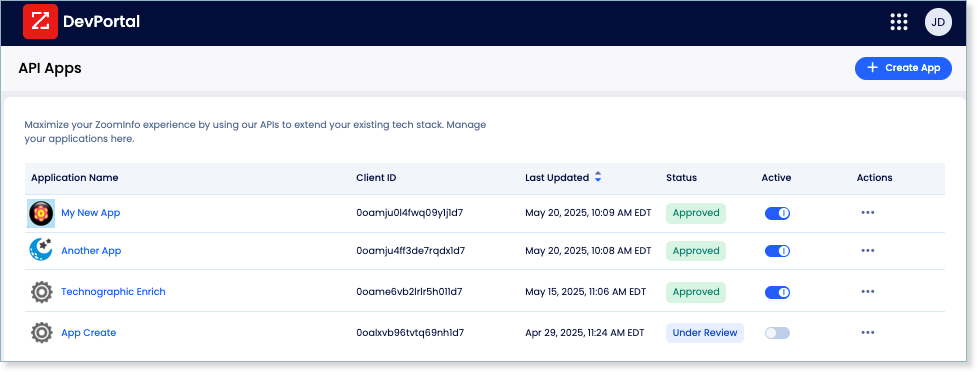
This can be a totally different authentication mannequin from Similarweb’s static API key. OAuth 2.0 helps delegated entry, credential rotation, and scoped permissions, making it the best selection for multi-tenant integrations and enterprise safety necessities.
Fee Limits, Credit & Developer Expertise
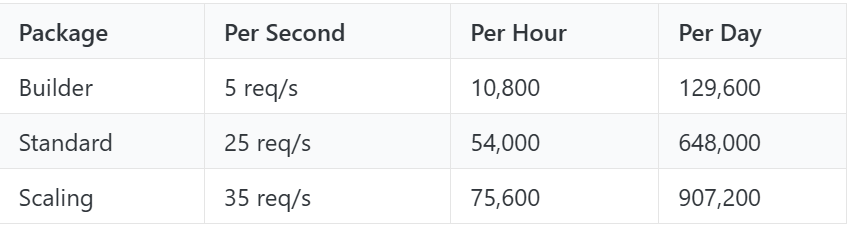
Fee limits are revealed by tier: Builder (5 req/sec), Commonplace (25 req/sec), and Scaling (35 req/sec), with per-hour and per-day sliding-window limits enforced concurrently. Each response consists of quota headers with remaining capability, and 429 responses embrace a Retry-After header with precise backoff timing.
Credit comply with a rolling 12-month window: enriching a file for the primary time consumes one credit score; re-enriching the identical file inside the yr is free. Search and lookup operations don’t eat credit.
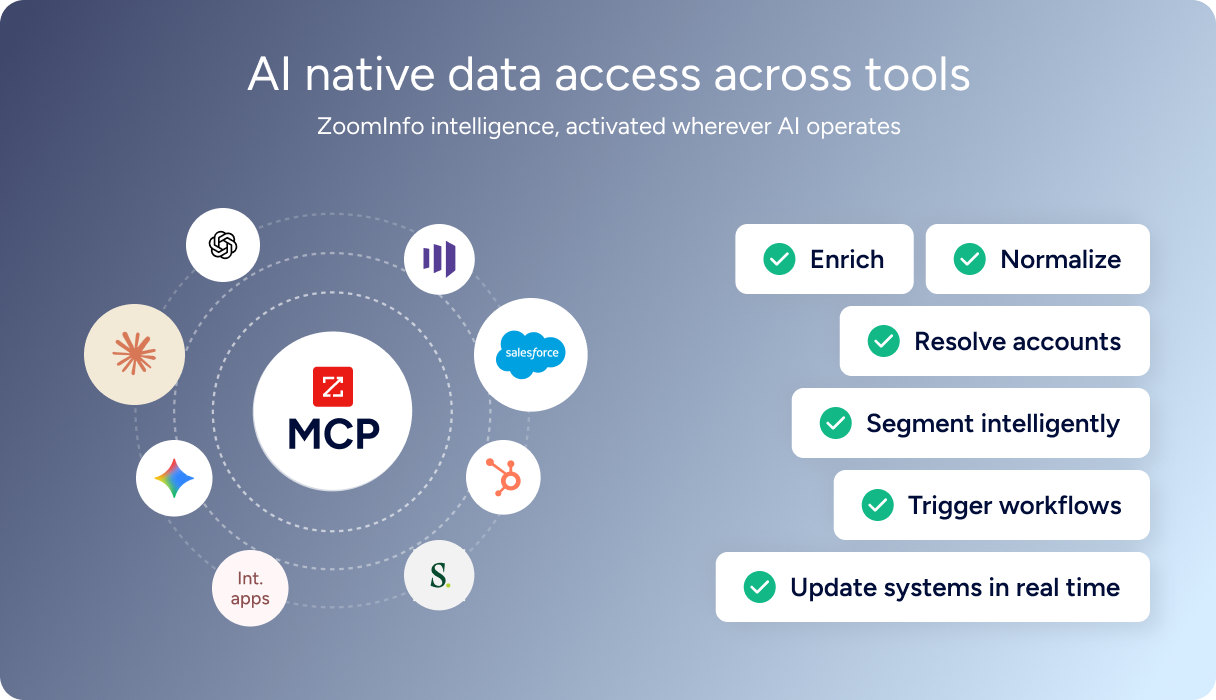
ZoomInfo’s MCP server at https://mcp.zoominfo.com/mcp exposes search, enrich, and account analysis as native instruments for MCP-compatible assistants, at present supporting Claude and ChatGPT.
Documentation lives at docs.zoominfo.com with an interactive API reference, OAuth recipes in 5 languages, and an llms.txt index for AI growth instruments.
ZoomInfo doesn’t publish official SDKs both, so each platforms require direct HTTP integration. ZoomInfo has added API entry to all related plans, although consumption-based pricing stays custom-quoted.
Webhooks are obtainable by way of the Brokers API, with retry habits and throttling configurable per occasion kind.
BDO Canada reported an 87% discount in time spent updating inside information dashboards utilizing the ZoomInfo API, with one analyst describing the mixing as plug-and-play throughout any course of. (ZoomInfo)
Last Verdict
Similarweb’s API is a broad, well-documented floor for digital efficiency information: web site visitors, key phrase analytics, app intelligence, technographics, and ecommerce alerts, delivered by way of each a real-time REST API and a high-volume Batch API that handles as much as a million domains per request.
The V5 improve, the general public changelog, the OpenAPI spec, and the MCP server for AI workflows present a platform investing in its developer floor.
Its limits are limits of scope and entry: no B2B contact information, no purchaser intent, enterprise-only pricing, and 10 req/sec on the REST API.
Select the Similarweb API if your construct is digital-analytics-first: aggressive benchmarking dashboards, market-sizing pipelines, search engine optimisation monitoring techniques, app efficiency monitoring, or ecommerce intelligence feeds.
The Batch API’s million-domain capability and the breadth of datasets (68 obtainable) make it the best floor for large-scale digital intelligence extraction.
Select the ZoomInfo API if your construct must go from digital alerts to B2B intelligence you possibly can act on: discovering verified contacts at firms exhibiting progress, enriching data with org charts and technographics, detecting purchaser intent, or powering AI brokers that analysis accounts and suggest buying-committee contacts.
The search-then-enrich sample (search is free, enrich consumes credit) and the Copilot API’s AI intelligence endpoints (a part of GTM Workspace) cowl the contact, firm, and intent information that digital analytics APIs don’t.
Discover the ZoomInfo Enterprise API or begin with the developer docs to see the endpoint floor immediately.
A developer who wants each digital efficiency information and B2B contact intelligence ought to deal with them as complementary layers: Similarweb identifies the market alerts, ZoomInfo identifies the individuals and corporations behind them.
FAQ
Is the Similarweb API free?
No. API entry is a part of Similarweb’s Information as a Service providing, bought by way of enterprise gross sales with no revealed pricing. There isn’t any free API tier, no self-serve developer signup, and no trial API key. Customers with a Enterprise bundle or larger reportedly obtain API entry, however the bundle itself requires a gross sales dialog.
API utilization consumes Information Credit, and per-endpoint credit score prices are usually not publicly documented.
Does Similarweb have a GraphQL API?
No. Similarweb exposes a REST API (at present V4 and V5) that communicates over HTTPS and returns JSON responses. There isn’t any GraphQL endpoint. In the event you want a GraphQL interface for digital intelligence information, you would want to construct a wrapper layer on prime of the REST API.
What’s the Similarweb API fee restrict?
The REST API is capped at 10 requests per second. Exceeding this returns HTTP 429. No larger rate-limit tiers are publicly documented. The Batch API has no per-second fee restrict because it operates asynchronously, dealing with as much as a million domains per request with outcomes delivered to cloud storage locations (S3, Snowflake, Google Cloud Storage).
Are there official Similarweb SDKs?
No. Similarweb doesn’t publish official SDKs in any language. All integration examples within the developer documentation use uncooked HTTP calls, primarily by way of Python’s requests library. The Similarweb MCP Server wraps the API for AI assistants (Claude, Cursor, Copilot Studio), however there are not any maintained consumer libraries for direct REST API integration.
Does the Similarweb API help webhooks?
Sure. Webhooks are supported on each the REST and Batch APIs. Batch API webhooks notify your endpoint when a bulk report is able to obtain. REST API webhooks might be subscribed to Each day or Month-to-month information occasions. Webhook authentication makes use of a short-lived token (5-minute expiry), and supply has a 5-second timeout. No retry habits or dead-letter queue is documented.
What does ZoomInfo’s API add to a Similarweb construct?
ZoomInfo’s API provides the B2B intelligence layer that Similarweb’s API doesn’t cowl. The place Similarweb tells you an organization’s web site visitors grew 40% final quarter, ZoomInfo tells you who the VP of Advertising is, gives their verified e mail and direct-dial cellphone quantity, exhibits the corporate’s org chart and tech stack, and surfaces purchaser intent alerts indicating the account is researching options in your class.
The 2 APIs use totally different authentication fashions (API key vs. OAuth 2.0) and totally different pricing constructions (Information Credit vs. annual credit-based enrichment), so plan the mixing layer accordingly. ZoomInfo’s MCP server extends the identical intelligence to AI-agent workflows, including a functionality Similarweb’s MCP server doesn’t cowl.

