

Crypto bug bounty platforms have expanded their use of synthetic intelligence to maintain up with a rising mountain of AI-assisted safety reviews.
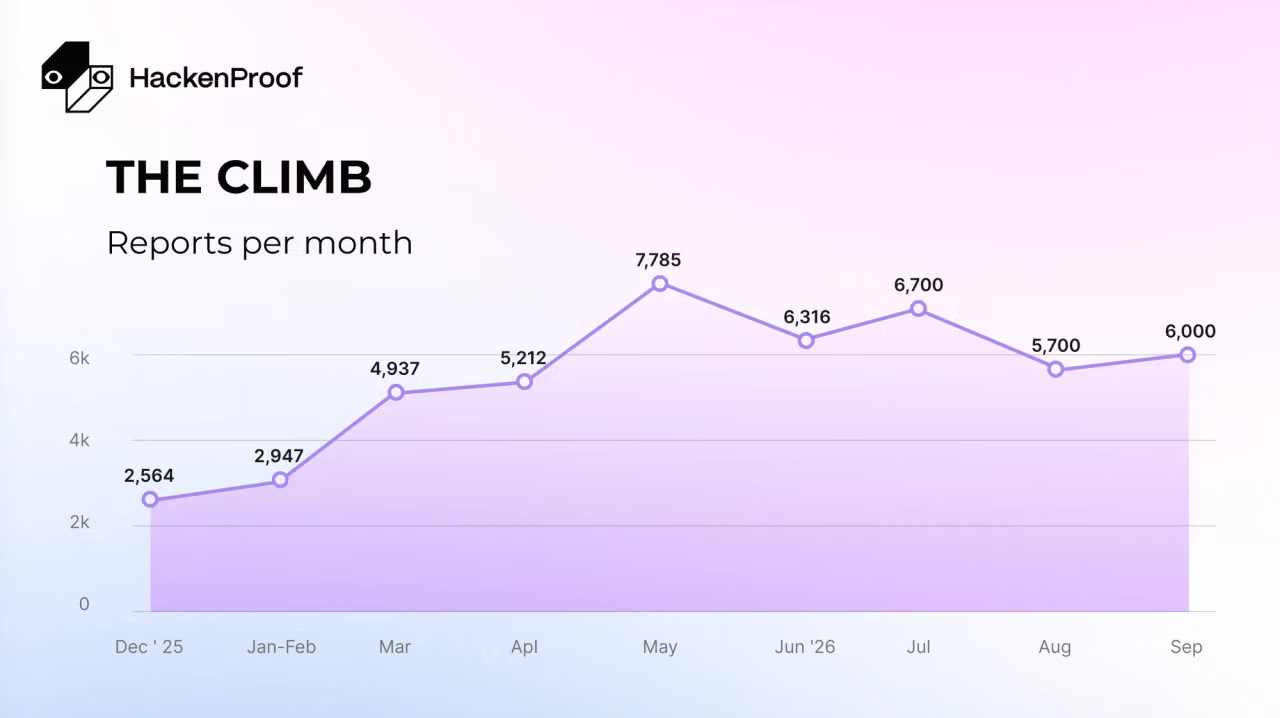
Crypto-focused HackenProof mentioned in October that it was utilizing AI to triage 70% of submissions totally autonomously, aiming to hit 85% by the tip of 2026. It mentioned it obtained a median of about 6,100 bug reviews a month within the third quarter, 2.4 occasions the reviews from December final yr.
Rival Immunefi final week mentioned submissions to its platform rose 136% year-over-year within the first 9 months of 2026, because it launched a instrument that may flag duplicates earlier than a researcher submits a report.
Bug bounty applications pay unbiased researchers to seek out and report potential safety flaws. AI has helped researchers uncover extra real vulnerabilities, however has additionally swelled the quantity of invalid and duplicate submissions, making it more durable for safety groups to establish the threats that want pressing consideration.
It’s like “bringing a sword to a gunfight,” Dmitry Tokarev, founding father of crypto pockets supplier Bron, advised Cointelegraph, referring to safety groups that haven’t already adopted AI to sift by way of reviews.
The turning level for AI-assisted bug looking
A number of bug bounty platforms have recognized February as a turning level within the surge of AI-assisted vulnerability reviews, coinciding with the discharge of extra succesful AI fashions, together with Anthropic’s Claude Opus 4.6.
HackenProof mentioned Claude Opus 4.6 might work by way of bigger codebases and maintain duties for longer. HackerOne mentioned the arrival of extra succesful AI fashions and instruments in that month noticed a sudden shift from a “human-only submission atmosphere.”
Some crypto builders are additionally experimenting with monetary disincentives to curb low-quality submissions.
The staff behind Firedancer, a Solana validator shopper developed by Leap Crypto, which additionally makes use of AI to display screen reviews, took a further measure in October.
To discourage spam, it started requiring researchers to burn 1 SOL for every bug report they need thought of for a bounty. The token is completely destroyed, even when the report seems to be a reproduction.
In a November replace printed Tuesday, HackerOne’s vice chairman of operations Tony Lee mentioned they started requiring researchers to confirm their identities earlier than submitting reviews within the third quarter. It additionally expanded its triage staff and started utilizing AI brokers to robotically shut clear-cut instances, resembling spam and duplicate reviews.
In October, it gave prospects extra management over what number of reviews their public applications obtain.
Associated: AI labs probably sitting on cryptography ‘bombshells,’ laptop scientist says
Safety groups brace for extra bug reviews and assaults
Lee mentioned he expects vulnerability reviews to maintain climbing “for the foreseeable future” after recording a 22% enhance in report quantity in Q3 in comparison with the earlier quarter.
In the meantime, insurer QBE and danger consultancy Management Dangers on Wednesday forecast extra disruptive cyber incidents in 2027 throughout the 14 markets they studied, pointing to the “industrialization of AI” as one of many components.
Mike Clean, chief product officer at blockchain infrastructure agency R3, additionally mentioned he expects the variety of hacks to rise sharply in 2027, however mentioned crypto groups ought to pay nearer consideration to how a lot harm a single breach could cause, quite than the variety of assaults.
“The true distinction might be between protocols the place a stolen key can drain every part and people the place it will possibly solely pause operations,” Clean mentioned.
Journal: Ethereum’s new DeFi safety instrument raises questions over censorship

