

The query behind evaluating an outreach platform’s API is whether or not it exposes sufficient of the product to justify a programmatic dependency, or whether or not you will find yourself again within the dashboard for the operations that matter most.
lemlist’s API is a REST floor on its second main model, with HTTP Fundamental authentication, twenty useful resource teams spanning campaigns, leads, sequences, e-mail accounts, webhooks, enrichment, and the 650M+ contact database, and a developer portal that’s public and interactive.
API entry ships with each paid plan beginning at $39/month. For a bootstrapped platform at $50M ARR, that may be a mature developer floor.
lemlist’s API covers outbound gross sales execution: creating and managing multichannel campaigns, including and enriching leads, connecting e-mail accounts, triggering sequences, dealing with webhooks throughout 5 channels (e-mail, LinkedIn, WhatsApp, SMS, calls), and looking out the 650M+ B2B contact database.
In case your construct automates the outreach pipeline (from lead sourcing via marketing campaign enrollment to answer dealing with) the API is scoped for that job. The place it stops is on the knowledge intelligence layer: there are not any endpoints for org charts, company hierarchies, technographic profiling, purchaser intent search, AI-powered account analysis, or compliance administration.
That is the place ZoomInfo enters the image.
ZoomInfo is an AI GTM platform whose API is a REST suite masking search, enrichment, AI intelligence, and viewers administration throughout 500M contacts and 100M corporations, with OAuth 2.0 authentication, tiered fee limits as much as 35 req/sec, and an MCP server for AI-agent workflows.
ZoomInfo’s API offers the info intelligence layer that tells you who to achieve and why they’re value reaching, whereas lemlist’s API handles the reaching.
This evaluation covers the lemlist API in technical depth first, then evaluations ZoomInfo’s API because the intelligence layer that picks up the place outreach execution stops.
lemlist API at a Look
|
Attribute |
Element |
|---|---|
|
API sort |
REST over HTTPS, JSON request/response |
|
Authentication |
HTTP Fundamental (empty username, API key as password) |
|
Base URL |
https://api.lemlist.com/api |
|
Present model |
|
|
Charge limits |
20 requests per 2-second window, per API key |
|
SDKs |
No official SDKs |
|
Webhooks |
Sure, occasion system throughout e-mail, LinkedIn, WhatsApp, SMS, calls, and workspace occasions |
|
MCP server |
Sure, OAuth 2.0 with PKCE at https://app.lemlist.com/mcp |
|
Documentation |
developer.lemlist.com (Mintlify-hosted, interactive reference with embedded AI assistant) |
|
Pricing / entry |
Included on all paid plans ($39/month entry); credit for enrichment operations |
lemlist API: What Works Properly & What to Plan Round
|
What works nicely |
What to plan round |
|---|---|
|
API included on all paid plans, no enterprise gate or separate developer tier |
No official SDKs: you construct and preserve the HTTP consumer your self |
|
Webhook occasion catalogue spanning 5 outreach channels plus workspace occasions |
20 requests per 2-second window is restrictive for high-volume batch operations |
|
20 useful resource teams masking the outreach lifecycle |
HTTP Fundamental auth solely on the REST API: no OAuth token rotation or scoped entry |
|
MCP server for AI-agent workflows with OAuth 2.0 authentication |
No endpoints for org charts, technographics, intent search, or AI account analysis |
|
Credit charged solely on profitable enrichment outcomes |
No public changelog, no downloadable OpenAPI spec, no Postman assortment |
|
Developer docs embrace an embedded AI assistant, llms.txt index, and interactive try-it panels |
Pagination method not documented within the public API overview |
lemlist API: Authentication & Getting Began
API entry begins with any paid lemlist plan. The pricing web page lists “CRM integrations & API” as a characteristic of the entry-level E mail plan at $39/month, with no separate developer tier, approval gate, or enterprise-only restriction. Any energetic subscriber can generate an API key from the app at Settings > Staff > Integrations.
Keys are proven solely as soon as at creation and can’t be retrieved afterward. Retailer them instantly.
lemlist makes use of HTTP Fundamental authentication, not Bearer tokens. The docs flag this distinction explicitly. The username is at all times empty; the password is your API key. You Base64-encode the string :YourApiKey (be aware the main colon for the empty username) and cross the lead to an Authorization: Fundamental
A fundamental authenticated request:
curl “https://api.lemlist.com/api/group”
-H “Authorization: Fundamental $(echo -n ‘:YOUR_API_KEY’ | base64)”
One sensible distinction: the MCP server at https://app.lemlist.com/mcp helps OAuth 2.0 with PKCE as its really useful authentication path.
The OAuth circulation handles discovery, consumer registration, consent, and token trade via the browser by way of mcp-remote. Entry tokens final 1 hour; refresh tokens final 30 days. In case you are constructing AI-agent integrations via Claude, Cursor, or one other MCP-compatible consumer, OAuth is the meant path. For direct REST API calls, HTTP Fundamental is the one possibility.
Two issues to plan round:
-
HTTP Fundamental auth is straightforward to implement however presents no credential rotation, no scoped permissions, and no delegated entry for multi-tenant integrations. In case you are constructing a SaaS product that connects to many lemlist workspaces, every buyer should generate and share an API key manually.
lemlist API: Core Endpoints & Capabilities
The v2 API organizes endpoints into twenty useful resource teams, all served from https://api.lemlist.com/api. Requests and responses use JSON. The 5 most-called endpoints, as highlighted within the developer portal:
Leads, Contacts & Corporations
The leads useful resource is the central knowledge object in lemlist’s API.
Operations embrace create, checklist (by way of POST filter), get, patch, delete (single and bulk), search by e-mail, add to marketing campaign, and transfer between campaigns. Leads are campaign-scoped: a lead exists inside a marketing campaign context, and the API helps including leads in bulk to campaigns or lists.
The contacts useful resource is separate from leads. Contacts signify the underlying contact file unbiased of any marketing campaign enrollment, whereas leads are campaign-specific situations. The businesses useful resource handles company-level data linked to leads, supporting CRUD operations. The fields useful resource manages customized discipline definitions, letting you prolong the info mannequin to suit your pipeline’s wants.
What you’d construct with this: a CRM sync that pushes certified contacts out of your deal pipeline into lemlist campaigns based mostly on stage modifications, or a deduplication service that merges contact data throughout workspaces earlier than outreach begins.
Campaigns & Sequences
The campaigns useful resource provides you programmatic management over the marketing campaign lifecycle: create, learn, replace, delete, begin, and pause. Sequences (the multi-step outreach workflows hooked up to campaigns) are a separate useful resource with their very own CRUD endpoints.
The schedules useful resource controls sending time home windows, letting you outline when marketing campaign steps execute by timezone.
What you’d construct with this: an company automation that spins up client-specific campaigns from a template, configures sending schedules by the consumer’s timezone, and prompts them with out touching the dashboard.
Folks Database, Enrichment & Sign Brokers
The folks database endpoints expose lemlist’s 650M+ B2B contact database programmatically.
The POST /people-database/search endpoint accepts filters by position, business, firm dimension, and placement, returning matched contacts.
The enrich endpoint (POST /enrich) triggers waterfall enrichment for a lead, querying a number of knowledge suppliers in sequence till a verified e-mail or telephone quantity is discovered.
Enrichment is asynchronous: the enrichmentDone and enrichmentError webhook occasions notify your system when outcomes are prepared. Credit are consumed solely on profitable enrichment: 5 credit per verified e-mail, 20 credit per telephone quantity.
The sign brokers useful resource helps you to question and handle Intent Sign Brokers, which monitor for purchasing triggers (web site visits, job postings, funding occasions, LinkedIn engagement). The signalRegistered webhook occasion fires when a brand new intent sign is detected.
What you’d construct with this: a prospecting pipeline that searches the B2B database for contacts matching your ICP, enriches them with verified emails, screens for intent alerts, and auto-enrolls them into the suitable marketing campaign when a shopping for set off fires.
E mail Accounts, Deliverability & Supporting Assets
The e-mail accounts useful resource handles linked sender mailboxes with CRUD operations plus sending infrastructure administration. The lemwarm useful resource manages e-mail warm-up settings per mailbox, providing you with programmatic management over lemwarm’s warm-up course of.
The inbox useful resource covers the unified dialog inbox the place all multichannel replies land. The duties useful resource handles guide duties inside sequences. The actions useful resource offers an exercise log for all occasions per lead.
Extra supporting sources:
lemlist API: Webhooks & Occasions
lemlist has a webhook system managed by way of POST /api/hooks.
A webhook subscription delivers real-time POST callbacks to a developer-supplied targetUrl. The sort discipline specifies which occasion to subscribe to; omitting it subscribes to all occasions. Subscriptions might be scoped to a particular marketing campaign by way of the campaignId parameter, or restricted to the primary exercise per lead with isFirst=true.
The occasion catalogue covers each channel:
E mail: emailsSent, emailsOpened, emailsClicked, emailsReplied, emailsBounced, emailsFailed, emailsUnsubscribed
LinkedIn: 25+ occasions masking messages, profile visits, follows, connection requests (despatched, accepted, withdrawn), endorsements, voice notes, put up likes, and failures at every stage
WhatsApp: despatched, delivered, opened, replied, failed
SMS: despatched, delivered, replied, failed
Calls: created, ended, executed, /not , recording prepared, transcript prepared
Enrichment: enrichmentDone, enrichmentError
Sign Brokers: signalRegistered (new intent sign detected)
Workspace: marketing campaign full, connection points, ship restrict reached, lemwarm paused, deliverability alerts, customized area errors
Lead-state teams: contacted, hooked, attracted, warmed, , notInterested (aggregates throughout channels)
Inbox: inboxLabelUpdated
Every webhook payload is a JSON object carrying the exercise _id, occasion sort, teamId, campaignId, leadId, denormalized lead and sender identification, and an ISO timestamp. E mail occasions embrace full to/cc/bcc arrays. Third-party replies (the place the responder shouldn’t be the unique lead) are flagged with isThirdPartyReply: true and omit marketing campaign/sequence identifiers.
An optionally available secret discipline might be set at creation time. It’s saved encrypted, by no means returned by any GET endpoint, and echoed again in each callback physique so receivers can confirm authenticity. The key is immutable: rotating it requires deleting and recreating the webhook.
Webhook administration endpoints: POST /hooks (create), DELETE /hooks/{id} (delete), GET /hooks (checklist all).
The breadth of this occasion catalogue is an actual energy. 5 outreach channels, workspace-level operational alerts, enrichment completion, and intent sign detection all push to the identical webhook infrastructure, so a single integration can drive a real-time occasion pipeline with out polling.
One caveat: the general public documentation doesn’t describe retry coverage or supply ensures for webhook callbacks, so design your receiver to be idempotent.
lemlist API: SDKs, Docs & Charge Limits
SDKs & Libraries
lemlist publishes no official SDKs.
The developer portal makes no point out of language-specific consumer libraries and directs builders towards iPaaS connectors (Zapier, Make, n8n) for low-code integrations or the MCP server for AI-agent workflows.
No official SDK means you personal the HTTP consumer, the Base64-encoded auth header, the rate-limit backoff logic, and the error dealing with. For a webhook listener or a nightly enrichment job, that’s manageable. For a manufacturing system with retry logic and rate-limit administration throughout twenty useful resource teams, the engineering overhead is actual.
Documentation & Developer Expertise
The developer documentation lives at developer.lemlist.com, hosted on Mintlify. It’s organized into three areas:
The docs embrace an AI assistant embedded within the UI that searches the documentation and generates solutions inline. An llms.txt index is revealed for AI consumption, and a ability.md file covers widespread AI-agent use instances. The MCP part offers copy-paste configuration snippets for Claude Desktop, Claude Code, and Cursor.
The documentation doesn’t embrace a downloadable OpenAPI/Swagger spec, a Postman assortment, or a public changelog. With out a changelog, monitoring what has modified between releases is more durable when sustaining a long-lived integration. lemlist’s standing web page stories 99.03% API uptime over a 90-day window.
Charge Limits & Constraints
The revealed fee restrict is simple: 20 requests per 2-second window, enforced per API key, throughout all routes. There is no such thing as a tiered fee restrict by plan.
Each API response consists of 4 rate-limit headers:
|
Header |
Description |
|---|---|
|
Retry-After |
Seconds till the following retry is secure |
|
X-RateLimit-Restrict |
Most requests within the window (20) |
|
X-RateLimit-Remaining |
Requests left within the present window |
|
X-RateLimit-Reset |
Human-readable datetime when the restrict resets |
The efficient throughput ceiling is 10 requests per second. For a single integration doing lead imports and marketing campaign administration, that’s workable. For a high-volume pipeline pushing 1000’s of data or orchestrating throughout a number of campaigns, it requires cautious request administration and queuing.
No separate bulk-import limits, concurrent-request caps, or per-endpoint restrictions are documented past the 20 req/2s ceiling.
lemlist API Pricing & Entry Prices
lemlist bundles API entry into its paid plans fairly than charging per name or providing a separate developer tier. The pricing web page lists “CRM integrations & API” as a characteristic throughout all tiers:
-
E mail plan: $39/month ($31/month billed yearly). Limitless customers, 5,000 emails/month. Consists of API, MCP server, 650M+ lead database, limitless contacts, AI Copilot, CRM integrations, and deliverability instruments.
-
Multichannel plan: $109/month per consumer ($87/month per consumer billed yearly). Every part in E mail, plus LinkedIn automation, SMS, WhatsApp add-on, built-in name dialer, and VoIP integrations.
-
Enterprise: Customized pricing for groups of 5+ customers. Every part in Multichannel, plus SSO/SAML, customized consumer roles, devoted account supervisor, and precedence help.
There are not any revealed per-call API costs. The API attracts from the identical platform limits because the dashboard.
The associated fee driver for API-heavy builds is the credit system. Enrichment and intent sign operations devour credit on a pay-per-success foundation (1 credit score = $0.01):
Credit are bought in pay as you go packs (minimal $10 for 1,000 credit) and might be topped up and not using a plan improve.
For a developer sizing prices: the API itself is free should you already pay for lemlist. A pipeline that enriches 10,000 contacts with verified emails consumes 50,000 credit ($500). The identical pipeline including telephone numbers would add 200,000 credit ($2,000). At scale, credit score prices can exceed the subscription value, so mannequin your enrichment quantity earlier than committing.
The 14-day free trial offers full Multichannel plan entry together with the API. There is no such thing as a everlasting free tier with API entry.
The place the lemlist API Falls Quick
These are sensible limits a developer ought to plan round, not criticisms of the platform. A number of are scope selections that mirror what lemlist is (a multichannel outreach platform) and what it isn’t.
Information intelligence stops at outreach. The Folks Database and Enrich endpoints present entry to lemlist’s 650M+ contact database with waterfall e-mail and telephone enrichment, which covers contact discovery nicely. However there are not any endpoints for org charts, company hierarchies, employment historical past, technographic profiling, or firm financials.
In case your pipeline must confirm an e-mail, then map the recipient’s place in a shopping for committee, establish their firm’s know-how stack, and examine whether or not the account exhibits shopping for alerts, you want a second API for every thing after the contact lookup.
No purchaser intent search on the API layer. The Sign Brokers useful resource helps you to handle intent-signal monitoring, and the signalRegistered webhook fires when a sign is detected. However the API doesn’t expose intent knowledge as a searchable, queryable useful resource.
You can’t question “present me all corporations in SaaS with 50-200 staff which are researching outbound instruments” via the API. The sign system is event-driven, not query-driven.
HTTP Fundamental auth with no rotation or scoping. The REST API makes use of a static API key handed as an HTTP Fundamental password. There is no such thing as a OAuth circulation for the REST floor (the MCP server helps OAuth 2.0, however that may be a separate entry path). For groups with strict credential-rotation insurance policies or multi-tenant integrations requiring delegated entry per buyer, static key auth is limiting.
Charge limits are tight. The 20 requests per 2-second window (10 req/sec) applies uniformly to all endpoints and isn’t tiered by plan. For orchestrating bulk imports throughout a number of campaigns, this ceiling requires cautious request queuing. There is no such thing as a documented option to request greater limits.
No official SDKs. Each integration is uncooked HTTP with guide Base64-encoded auth headers. For a manufacturing system with retry logic, rate-limit backoff, and error dealing with throughout twenty useful resource teams, the absence of maintained consumer libraries provides engineering overhead.
No compliance or privateness API. There is no such thing as a endpoint for managing knowledge privateness requests, opt-outs, or regulatory compliance programmatically. Groups constructing GDPR or CCPA workflows into their knowledge pipeline will discover this a niche.
Pagination is undocumented. The general public API overview doesn’t describe the pagination schema for checklist endpoints, leaving builders to find the sample via experimentation or help requests.
ZoomInfo API: The Information Intelligence Layer Past Outreach
lemlist’s API tells your pipeline tips on how to attain a contact.
ZoomInfo’s API tells it who’s value reaching, what firm they signify, what know-how that firm makes use of, whether or not the account is researching your class, and the place the contact sits within the org chart.
The 2 APIs function at totally different layers of a knowledge pipeline. The hole between “ship this particular person an e-mail” and “ought to we be reaching this particular person in any respect?” is the place ZoomInfo’s API suits.
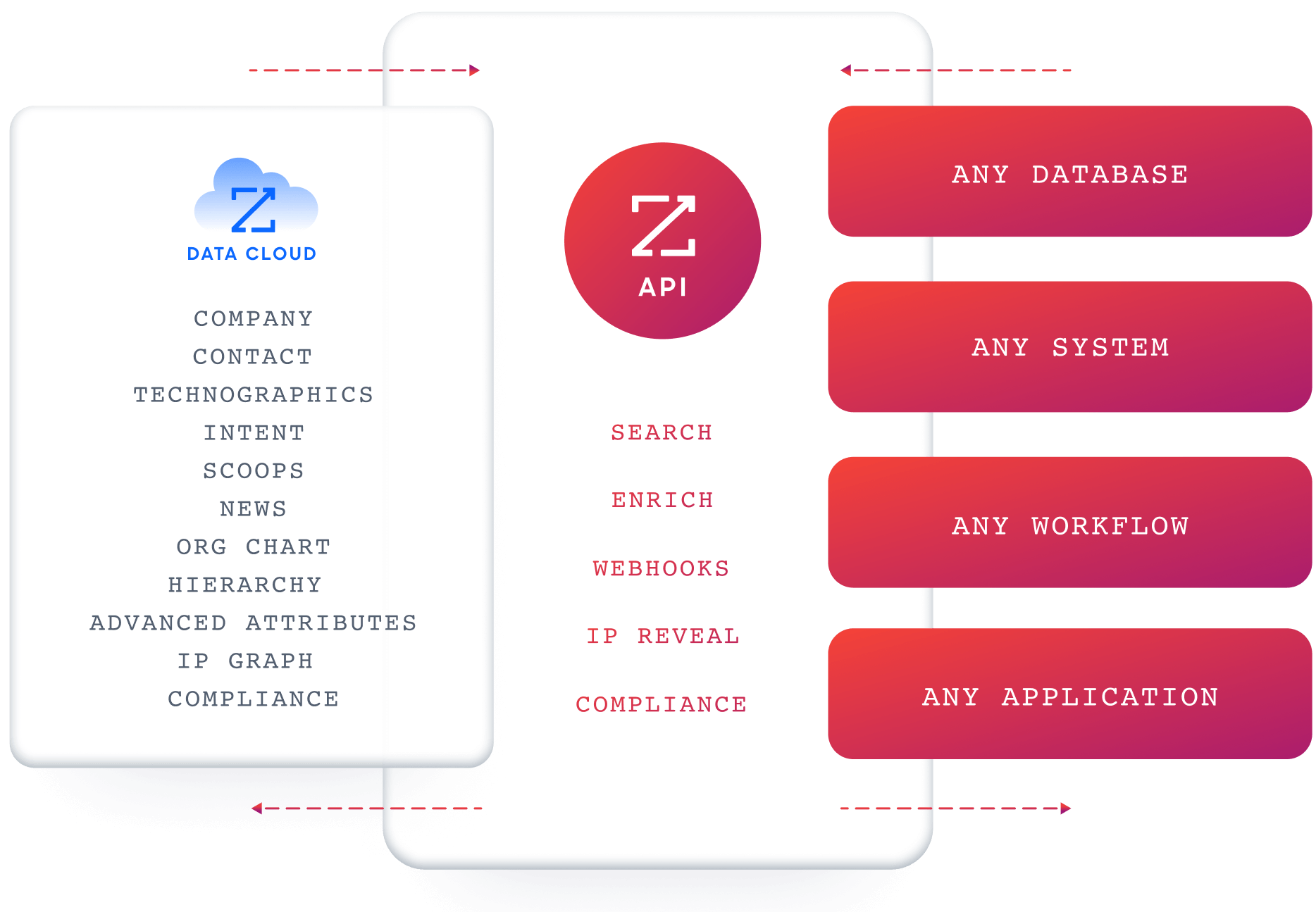
What the API Covers: Search, Enrichment & AI Intelligence
ZoomInfo’s Enterprise API is a REST suite served from https://api.zoominfo.com/gtm, organized into 4 areas documented within the interactive API reference:
Information API (Search & Enrich): Search endpoints cowl Contacts, Corporations, Intent, Information, and Scoops, returning matched data with out consuming credit. Enrich endpoints unlock the complete payload: enterprise emails, direct dials, employment historical past, company hierarchy, org charts, technographics, and hashtag alerts, as much as 25 data per name.
The underlying dataset spans 500M contacts, 100M corporations, 135M+ verified telephone numbers, and 200M+ verified enterprise e-mail addresses.
Behind this sits the GTM Context Graph, which processes 1.5B+ knowledge factors every day by fusing ZoomInfo’s B2B knowledge together with your first-party CRM data, dialog transcripts, and behavioral alerts to floor the context behind your accounts. The search-then-enrich sample means you filter freely, then pay just for the data you decide to.
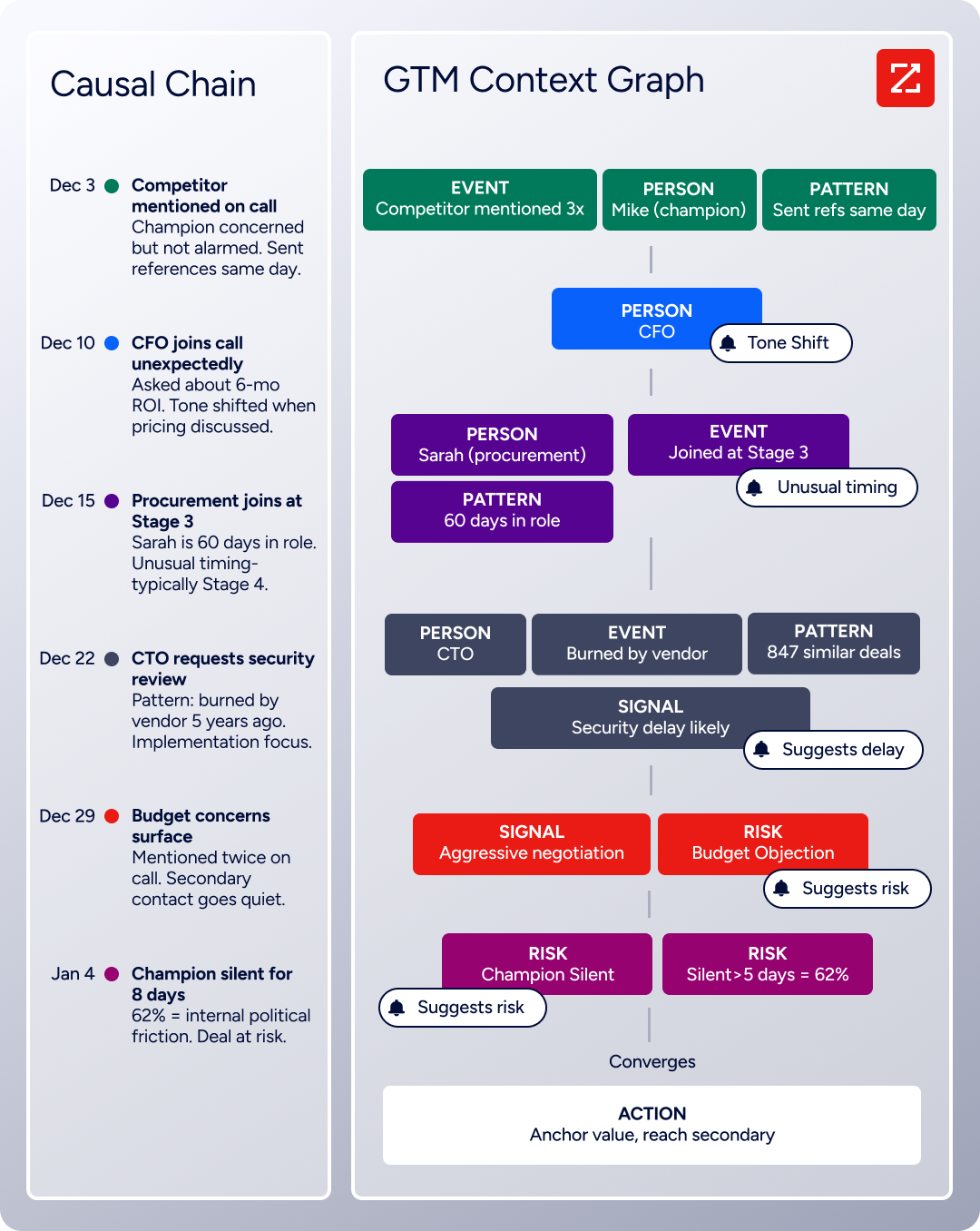
AI Intelligence API: Account Abstract returns structured account intelligence with a free-form Q&A endpoint. Discover Comparable Corporations performs lookalike enlargement from a seed account. Contact Suggestions returns AI-ranked buying-committee solutions by movement (prospecting, deal acceleration, renewals).
Compliance API: Information privateness and opt-out administration endpoints for dealing with GDPR and CCPA requests programmatically, filling a niche that lemlist’s API doesn’t deal with.
The pairing with an outreach API is direct: use ZoomInfo’s search to seek out contacts matching your ICP (free, no credit consumed), enrich those value pursuing, then push them into lemlist campaigns by way of the leads endpoint. ZoomInfo decides who belongs within the marketing campaign; lemlist runs the marketing campaign.
Authentication, Charge Limits & Credit
ZoomInfo makes use of OAuth 2.0 with PKCE by way of Okta, supporting three flows: Authorization Code with PKCE (internet functions), Shopper Credentials (server-to-server), and Refresh Token.
Entry tokens are 24-hour Bearer tokens with rotating refresh tokens. Functions are registered via the ZoomInfo Developer Portal.
This can be a totally different mannequin from lemlist’s static API key. OAuth 2.0 helps delegated entry, credential rotation, and scoped permissions, making it fitted to multi-tenant integrations and enterprise safety necessities.
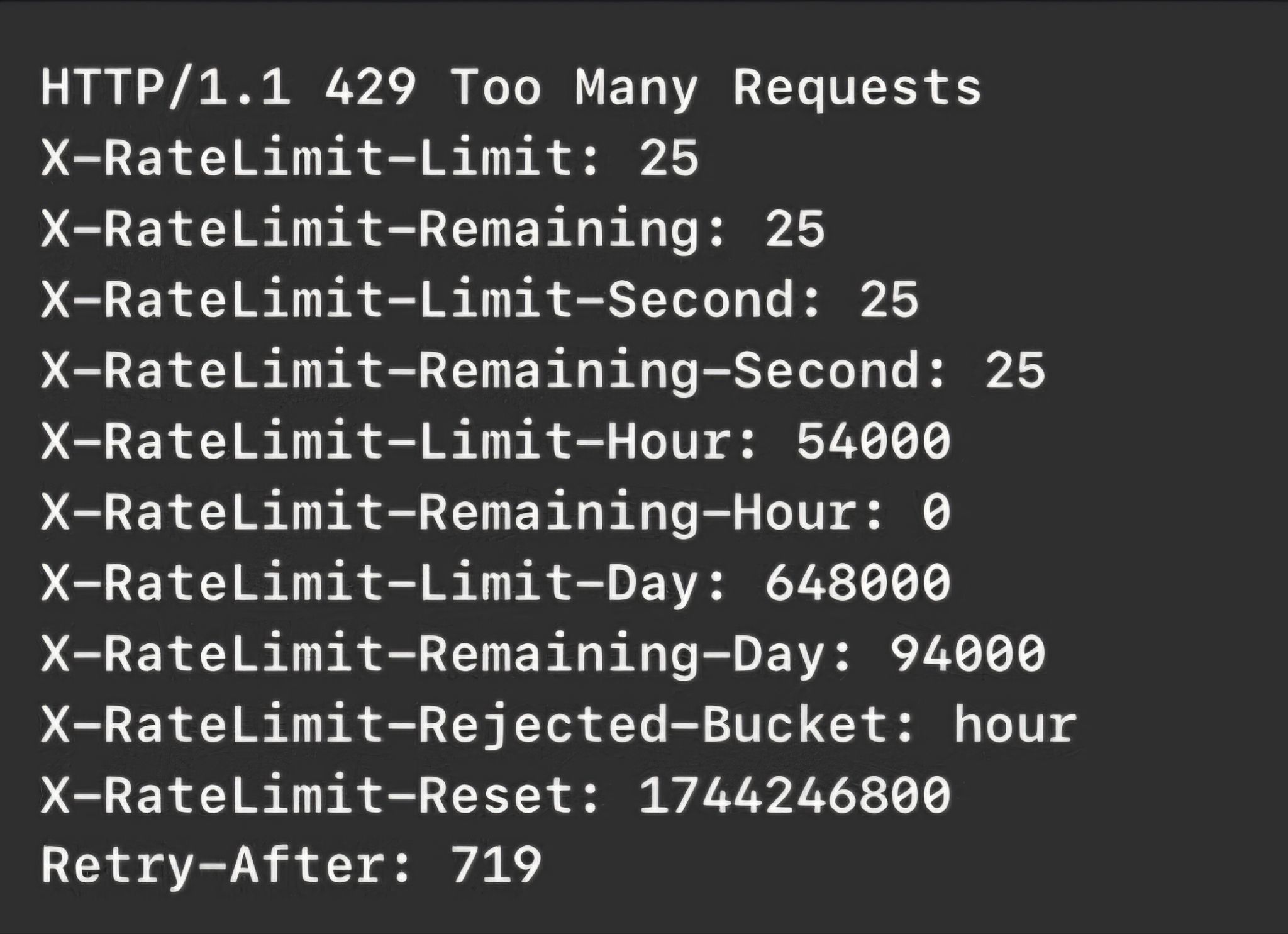
Charge limits are revealed by tier: Builder (5 req/sec), Normal (25 req/sec), and Scaling (35 req/sec), with per-hour and per-day sliding-window limits enforced concurrently. Each response consists of quota headers, and 429 responses embrace a Retry-After header with precise backoff timing. On the Normal tier, ZoomInfo’s throughput ceiling (25 req/sec) is 2.5x lemlist’s efficient fee (10 req/sec).
Supply: ZoomInfo
Credit comply with a rolling 12-month window: a file enriched for the primary time consumes one credit score; re-enriching the identical file throughout the yr is free. Search and lookup operations don’t devour credit.
MCP Server, Webhooks & Developer Expertise
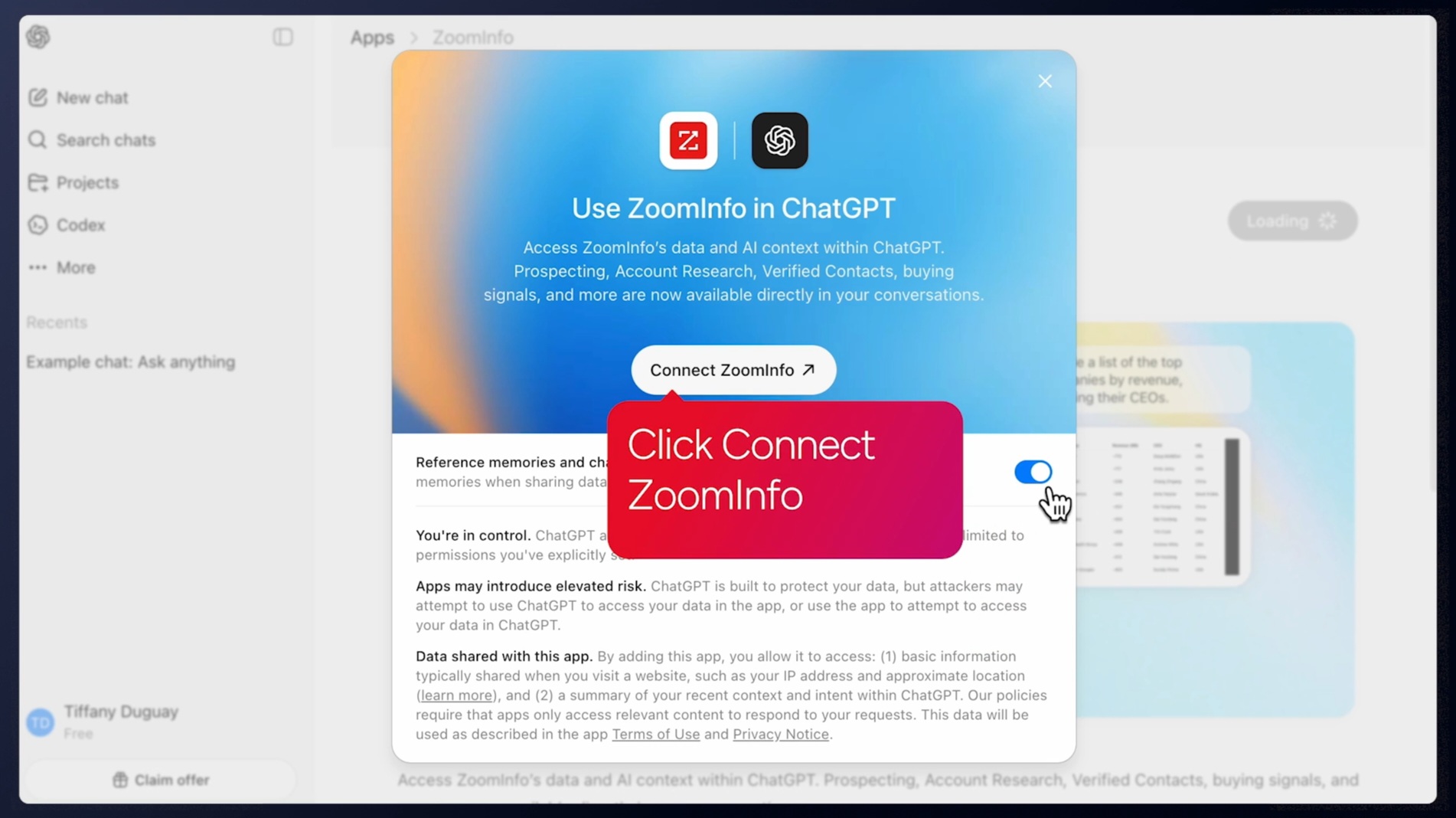
For builders constructing AI brokers, ZoomInfo’s MCP server at https://mcp.zoominfo.com/mcp exposes search, enrich, and account analysis as native instruments for MCP-compatible assistants, presently supporting Claude and ChatGPT. Like lemlist’s MCP server, it makes use of OAuth 2.0 authentication.
Supply: ZoomInfo
Webhooks can be found by way of the Brokers API, tied to ZoomInfo’s Agent Groups system. Occasion sorts cowl bulk enrichment jobs finishing, data altering, credit score utilization crossing thresholds, and new GTM alerts (scoops, funding occasions, intent spikes) changing into out there, with retry conduct and throttling configurable per occasion sort.
ZoomInfo doesn’t publish official SDKs both, so each platforms require direct HTTP integration. Documentation lives at docs.zoominfo.com with an interactive API reference, OAuth recipes in 5 languages, and an llms.txt index for AI growth instruments. ZoomInfo has added API entry to all related plans; pricing follows a consumption-based mannequin.
BDO Canada reported an 87% discount in time spent updating inner knowledge dashboards utilizing the ZoomInfo API, with one analyst describing the combination as plug-and-play throughout any course of. (ZoomInfo)
Last Verdict
lemlist’s API is a well-scoped outreach automation floor that covers the multichannel marketing campaign lifecycle (from lead enrollment to answer dealing with) with webhook help throughout 5 channels and pay-per-success enrichment on a 650M+ contact database.
API entry on each paid plan and an MCP server for AI-agent workflows make it accessible with out an enterprise dedication. Its limits are limits of scope: it automates outreach execution nicely, and it stops the place knowledge intelligence begins.
Select the lemlist API if your construct is outreach-first: automating marketing campaign creation, lead enrollment, multichannel sequences, e-mail account administration, warm-up monitoring, and reply dealing with. The $39/month entry level with API entry included, mixed with webhook protection throughout e-mail, LinkedIn, WhatsApp, SMS, and calls, makes it a sensible floor for pipeline automation.
Select the ZoomInfo API when the construct wants the intelligence layer upstream of outreach: deciding which accounts are value pursuing, which contacts to achieve, what their corporations appear to be, whether or not they’re in-market, and the place they sit within the org chart.
The search-then-enrich sample (search is free, enrich consumes credit) and the AI intelligence endpoints cowl the info and reasoning that outreach APIs don’t.
Discover the ZoomInfo Enterprise API or begin with the developer docs to see the endpoint floor immediately.
A developer whose main want is B2B knowledge intelligence with out outreach automation has no purpose to construct on lemlist’s API; that construct begins with ZoomInfo.
FAQ
Is the lemlist API free?
Not past a trial. The 14-day free trial offers full Multichannel plan entry together with the API, with no bank card required. After the trial, API entry requires a paid plan beginning at $39/month for the E mail tier. There are not any per-call API costs, however enrichment operations devour credit at $0.05 per verified e-mail and $0.20 per telephone quantity, bought in pay as you go packs beginning at $10 for 1,000 credit.
Does lemlist have a GraphQL API?
No. lemlist exposes a REST API (presently at v2) that communicates over HTTPS with JSON request and response our bodies. There is no such thing as a GraphQL endpoint. In case you want a GraphQL interface, you would wish to construct a wrapper layer on high of the REST API.
What’s the lemlist API fee restrict?
The revealed restrict is 20 requests per 2-second window, enforced per API key throughout all routes. That interprets to an efficient ceiling of 10 requests per second. Each response consists of rate-limit headers displaying remaining capability and reset timing. There is no such thing as a tiered fee restrict by plan, and no documented option to request greater limits.
Are there official lemlist SDKs?
No. lemlist doesn’t publish official SDKs in any language. The developer documentation consists of cURL examples for each endpoint, and the MCP server wraps the API in a natural-language interface for AI assistants, however there are not any maintained SDK packages or GitHub repositories. Builders combine immediately over HTTP utilizing the Base64-encoded Fundamental auth header.
Does the lemlist API help webhooks?
Sure. lemlist has a webhook system managed via the API. Webhooks are created, deleted, and listed by way of devoted endpoints.
The occasion catalogue covers e-mail occasions (despatched, opened, clicked, replied, bounced), LinkedIn occasions (25+ sorts masking messages, invitations, voice notes, and profile interactions), WhatsApp and SMS occasions, name occasions (together with recording and transcript readiness), enrichment completion, intent sign detection, and workspace-level operational alerts.
An optionally available secret discipline offers payload verification. The general public documentation doesn’t describe retry coverage or supply ensures.
Can I take advantage of the lemlist and ZoomInfo APIs collectively?
Sure, and there’s a sensible sample for doing so. ZoomInfo’s search endpoints allow you to discover contacts and firms matching your ICP with out consuming credit. Enrich those value pursuing with B2B intelligence (org charts, technographics, intent alerts, employment historical past), then push verified, enriched contacts into lemlist campaigns by way of the leads endpoint.
ZoomInfo decides who belongs within the marketing campaign; lemlist runs the marketing campaign. The 2 APIs use totally different authentication fashions (HTTP Fundamental vs. OAuth 2.0), totally different rate-limit buildings (10 req/sec flat vs. 5-35 req/sec tiered), and totally different credit score techniques, so plan your integration layer to deal with each.
Each platforms additionally supply MCP servers for AI-agent workflows, which suggests an AI agent can search ZoomInfo for prospects and enroll them in lemlist sequences from a single dialog.

