

The query behind each social listening API integration is similar: are you able to pull the info you want, on the velocity you want it, into the techniques that run your workflows?
Brandwatch operates two API environments: a Shopper Analysis API for social listening knowledge and analytics, and a separate set of Social Media Administration APIs protecting publishing, engagement, and measurement. The Shopper Analysis docs are public, the endpoints are named, a changelog tracks modifications, and an llms.txt index exposes the spec for AI tooling. That openness is rare in social intelligence.
However openness and health to your construct are totally different questions.
Brandwatch’s API covers social listening and social media administration programmatically. The Shopper Analysis API returns mentions, sentiment, matters, charts, and aggregated analytics from an archive of 1.7 trillion historic conversations. The SMM APIs deal with publishing, engagement, measurement, and benchmarking throughout main social platforms. In case your construct requires B2B contact knowledge, firm enrichment, firmographics, org charts, technographics, purchaser intent indicators, or verified enterprise e mail addresses, that falls exterior what social listening APIs cowl.
That is the place ZoomInfo enters. ZoomInfo is a B2B intelligence platform whose Enterprise API is a REST suite protecting search, enrichment, intelligence, and viewers administration throughout 500M contacts and 100M corporations, with an MCP server for AI-agent workflows. The place Brandwatch tells you what the market is saying, ZoomInfo tells you who the decision-makers are, methods to attain them, and whether or not they’re in-market.
This evaluate covers the Brandwatch API first, then ZoomInfo’s API because the B2B intelligence layer that picks up the place social listening stops.
Brandwatch API at a Look
Brandwatch API: What Works Nicely & What to Plan Round
|
What works nicely |
What to plan round |
|---|---|
|
Public developer docs with an actively maintained changelog and llms.txt index |
No official SDKs: the Python bcr-api library is explicitly unsupported by Brandwatch |
|
OAuth 2.0 bearer tokens on the Shopper Analysis API final a full 12 months, minimizing re-authentication |
Shopper Analysis API charge restrict is 30 requests per 10 minutes, not per second |
|
Two API environments cowl each analysis (listening, analytics, {custom} knowledge) and social operations (publishing, engagement, measurement) |
Two separate API environments with totally different authentication fashions and totally different documentation portals |
|
Shopper Analysis API helps {custom} knowledge add alongside social listening knowledge |
SMM API entry is not enabled by default and have to be requested by means of an Account Supervisor |
|
SMM APIs span 12 product areas from publishing to crew efficiency |
No free tier or developer sandbox: all API entry requires a paid enterprise subscription |
|
Shopper Analysis knowledge archive dates again to 2010 with firehose entry to X/Twitter and Reddit |
Webhooks exist solely on the SMM facet, and just for Publish actions |
Brandwatch API: Authentication & Getting Began
Brandwatch operates two API environments with separate authentication fashions. Which one you want relies on what you might be constructing.
Shopper Analysis API
API entry requires an energetic Shopper Analysis subscription. There is no such thing as a sandbox, free tier, or self-serve signup. An account administrator provisions credentials, and solely customers with “Common” or “Admin” degree entry can authenticate.
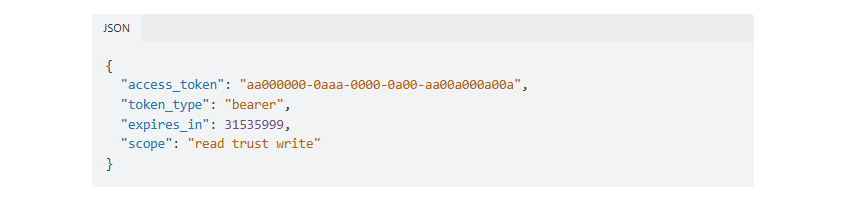
Authentication makes use of an OAuth 2.0 password grant stream. You ship a POST to the token endpoint together with your credentials and obtain a bearer token with a one-year expiry:
curl -X POST “https://api.brandwatch.com/oauth/token”
-d “username=YOUR_API_EMAIL”
-d “password=YOUR_PASSWORD”
-d “grant_type=api-password”
-d “client_id=brandwatch-api-client”
Supply: Brandwatch API
A profitable response returns a bearer token (UUID format) with learn belief write scope. Cross it in subsequent requests as an Authorization: Bearer [TOKEN] header or as an access_token URL parameter. Beginning with API v4, accounts can maintain a number of API keys by creating a number of apps, every with its personal utilization statistics.
The one-year expiry fits long-running integrations: you authenticate as soon as, and the token stays legitimate for months and not using a refresh cycle. The tradeoff is {that a} compromised token stays legitimate for a very long time except you revoke it manually.
Social Media Administration APIs
The SMM APIs use a distinct mannequin. Entry is not enabled by default and have to be requested by means of an Account Supervisor, who gives pricing and sends API phrases for signature earlier than enablement.
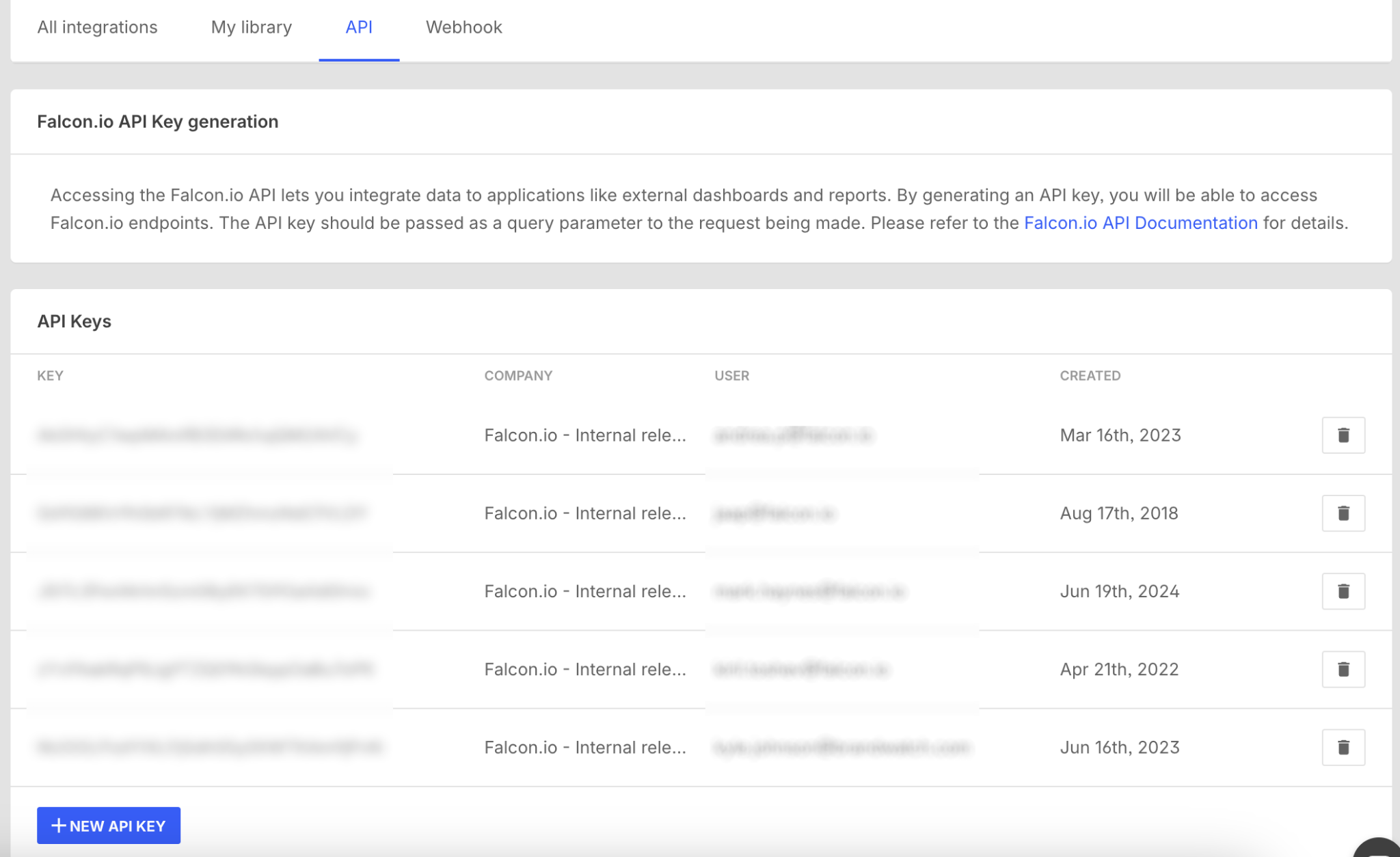
As soon as enabled, an Admin person generates keys by means of Group admin settings, then the Integration market, then the API tab. Organizations can maintain as much as 5 energetic API keys. These keys are less complicated than the Shopper Analysis OAuth stream: a static key handed with every request.
Supply: Brandwatch API
Two issues to notice earlier than you begin constructing:
Brandwatch API: Core Endpoints & Capabilities
The API spans each environments. The Shopper Analysis API handles social listening knowledge, analytics, and {custom} knowledge ingestion. The SMM APIs deal with social media operations: publishing, engagement, measurement, and benchmarking.
Shopper Analysis API: Queries, Mentions & Information Retrieval
The Shopper Analysis API (base: https://api.brandwatch.com) is organized round social listening queries and the info they seize.
Tasks and Queries: Tasks are the top-level containers. Inside every mission, you create queries (Boolean search guidelines that outline which conversations to seize). CRUD operations allow you to create, edit, and delete your monitoring setup programmatically. Question Teams present group, and Tags, Classes, and Guidelines allow you to annotate and classify mentions after seize.
Mentions: The mentions endpoints return uncooked social media mentions matching your queries, with filter and type parameters. Pagination is cursor/offset-based through customary question parameters. You can too edit point out metadata (tags, classes, annotations) programmatically. For the reason that Shopper Analysis API has no push-based supply, Brandwatch gives a tutorial on polling for mentions.
Information Retrieval (Aggregated Analytics): The analytics endpoints go deeper. Devoted endpoints return:
Filter dimensions embody language codes, geographic places, object and emblem detection, and type order. Brandwatch’s Iris AI robotically enriches each point out with sentiment classification in 44 languages, emotion detection, demographic inference, entity extraction, and picture evaluation.
What you’d construct with this: a aggressive intelligence dashboard that runs queries towards your model and competitor names, polls for brand spanking new mentions on a schedule, pulls aggregated sentiment and matter charts into your BI device, and triggers alerts when point out quantity spikes.
Shopper Analysis API: Information Add & Evaluation
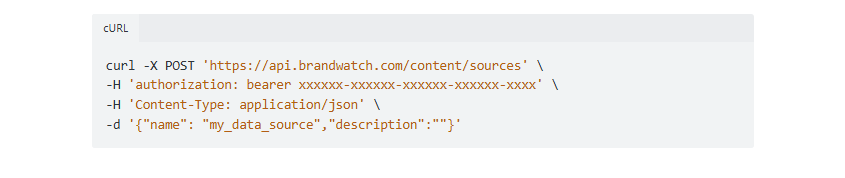
Information Add API: A separate set of endpoints for creating {custom} knowledge sources and importing paperwork. This allows you to ingest proprietary knowledge (help tickets, name transcripts, survey responses, CRM notes) into Brandwatch’s evaluation engine alongside the social listening corpus. Uploaded paperwork help fields like reachEstimate and rawMetadata.
Supply: Brandwatch API
Evaluation API: The Evaluation API gives a separate interface for querying the content material library with superior aggregation and NLP evaluation. Evaluation requests return computed statistics for BI and knowledge visualization instruments. Outcomes retrieval endpoints return the finished evaluation. Utilization is tracked through a separate Evaluation Utilization endpoint.
What you’d construct with this: a pipeline that feeds help tickets and survey responses into Brandwatch through the Information Add API, then runs NLP evaluation towards the mixed dataset (social mentions plus inner knowledge) to floor themes, sentiment patterns, and traits that neither supply reveals alone.
Social Media Administration APIs
The SMM setting exposes twelve API merchandise documented at falconio.docs.apiary.io:
Full parameter definitions and response examples are within the Apiary reference, which incorporates interactive “Strive it!” performance for documented endpoints.
What you’d construct with this: an company reporting system that pulls Measure and Benchmark knowledge throughout all shopper accounts nightly, compiles cross-client efficiency dashboards, and exports crew efficiency metrics for service-level reporting.
Brandwatch API: Webhooks & Occasions
Brandwatch’s webhook help is proscribed.
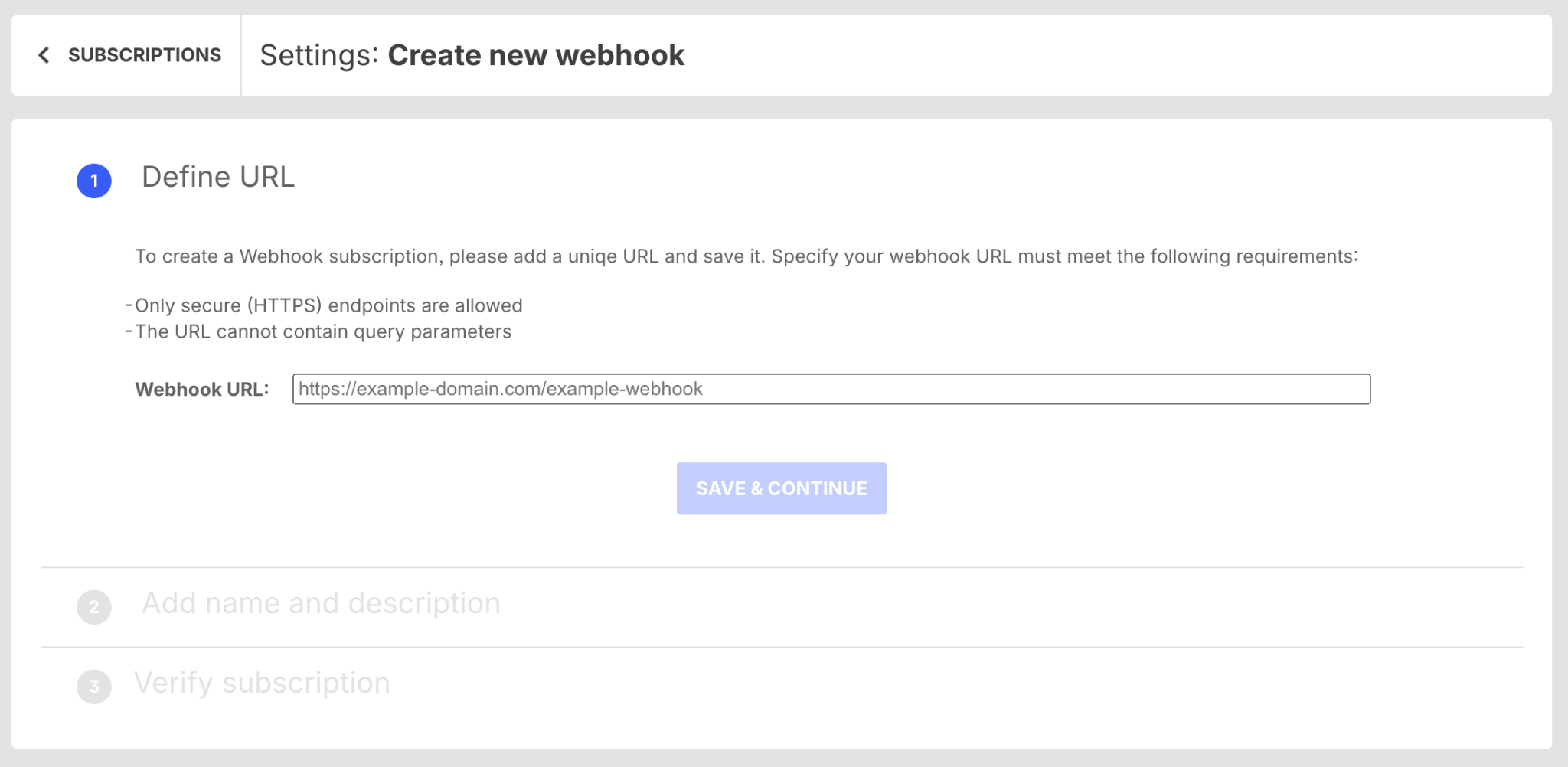
SMM Webhooks: The Social Media Administration product affords 4 webhook matters protecting Publish actions: creation of campaigns, posts, drafts, and inventory objects.
Subscription is configured by means of Group admin settings, then the Integration market, then the Webhooks tab. Setup requires a safe vacation spot URL and an automatic verification step utilizing a offered secret key. Retry habits and payload format particulars are within the Apiary technical reference.
Supply: Brandwatch API
Shopper Analysis API: There is no such thing as a webhook help. Builders who want new mentions in actual time should ballot. The docs embody a devoted tutorial on polling for mentions.
Two issues to plan round:
-
Webhook protection is slim. Even on the SMM facet, webhooks cowl solely Publish actions. There aren’t any webhooks for engagement occasions (incoming messages, replies, mentions), measurement modifications, or benchmarking updates. In case your integration wants real-time notification of social interactions, you have to ballot the Interact API.
-
Shopper Analysis is polling-only. For a platform that screens tens of millions of conversations, the dearth of push-based supply on the analysis facet constrains real-time workflows. A point out spike is not going to notify your pipeline; your pipeline should ask for it.
Brandwatch API: SDKs, Docs & Price Limits
SDKs & Libraries
Brandwatch publishes no official SDKs.
A Python shopper library (bcr-api) exists on GitHub below the BrandwatchLtd group. The library mirrors the Shopper Analysis API’s useful resource hierarchy and simplifies frequent operations (question administration, tag/class CRUD, knowledge retrieval). Set up it through pip (pip set up bcr-api); it requires Python 3.x and has 344+ commits with a Jupyter pocket book demo. Brandwatch labels this library unofficial and unsupported, noting it “needs to be carried out on the customers’ personal threat.”
No SDK or neighborhood library exists for the SMM APIs.
With out official SDKs, you personal the authentication stream, request serialization, rate-limit dealing with, and error restoration. For the Shopper Analysis API, bcr-api can cut back that burden if you happen to construct in Python and settle for the unsupported standing. For the SMM APIs, or another language, each integration is uncooked HTTP.
Documentation & Developer Expertise
Shopper Analysis API docs at builders.brandwatch.com are well-structured and public. The portal covers:
-
Getting Began: Terminology reference, authentication information, and step-by-step tutorials (paging by means of historic mentions, polling for mentions, constructing a filters menu)
-
Changelog: Actively maintained, with updates protecting Reddit knowledge restrictions, Bluesky and TikTok area additions, multi-aggregate chart endpoints, and org-switching for API customers, all inside the previous 12 months
No interactive API explorer (Swagger UI or embedded Postman assortment) is offered within the Shopper Analysis portal. The OpenAPI index in llms.txt gives machine-readable endpoint definitions, however testing requires constructing requests manually or utilizing the bcr-api library.
SMM API docs are hosted on Apiary and embody an interactive “Strive it!” explorer, phrases of use, charge limiting information, and changelog. Onboarding steerage is within the SMM assist heart, which incorporates quick-start articles for every API product.
Developer help channels embody help.brandwatch.com, the neighborhood discussion board, and Brandwatch Academy for certification and product coaching. Assist runs Monday by means of Friday, with response occasions tiered by bundle at 4 to 24 hours.
Supply: Brandwatch API
Price Limits & Constraints
Shopper Analysis API: The default charge restrict is 30 requests per 10-minute rolling window, utilized per shopper. Exceeding this returns HTTP 429 Too Many Requests. Every response contains two headers:
That’s three requests per minute. For an integration that should pull mentions, run analytics, and handle queries throughout a number of initiatives, this ceiling requires cautious request administration. Greater limits could also be out there below enterprise agreements, however the documentation publishes solely the default tier.
SMM APIs: Price limiting particulars are within the Apiary reference however not within the public assist heart. Particular numbers usually are not publicly out there.
Information-level constraints: Shopper Analysis API knowledge entry is topic to per-source restrictions (Reddit knowledge, for instance, has particular restrictions documented individually). Entry to uncooked historic mentions is topic to per-platform knowledge licensing phrases.
Brandwatch API Pricing & Entry Prices
Brandwatch doesn’t publish API pricing on its pricing web page or developer portal. All API entry is enterprise-negotiated, with no self-serve possibility.
Shopper Analysis APIs (Shopper Analysis API, Information Add API, Evaluation API): Entry requires an energetic Shopper Analysis subscription. API functionality is tied to the plan tier and isn’t offered standalone. The APIs product web page lists API entry as a separate providing, suggesting it might be licensed individually from the bottom subscription.
Social Media Administration APIs: Entry have to be requested by means of an Account Supervisor, who gives pricing and sends API phrases for signature earlier than enablement.
There is no such thing as a free tier, no pay-per-call pricing, no developer sandbox, and no public charge card.
Brandwatch’s platform pricing is opaque. The plans web page requires a demo request. Contracts are ruled by the Cision Grasp Subscription Settlement, below which charges are invoiced yearly prematurely and are non-cancellable and non-refundable. No termination-for-convenience clause exists in the usual settlement.
A developer can’t estimate API prices with out speaking to Brandwatch’s gross sales crew. The pricing mannequin (whether or not per-seat, per-query-volume, per-mention, or flat annual license) is just not disclosed publicly.
The place the Brandwatch API Falls Quick
These are sensible limits to plan round, not failures. A number of are scope choices that replicate what Brandwatch’s API is (a social intelligence platform) and what it isn’t.
The API covers social and shopper intelligence. B2B knowledge is a distinct area.
There aren’t any endpoints for contact enrichment, firm firmographics, org charts, technographics, direct-dial cellphone numbers, verified enterprise emails, or purchaser intent indicators. In case your pipeline must determine the decision-makers behind the model conversations you monitor, or discover which corporations are researching your class, you want a separate API.
This isn’t a niche within the product. Brandwatch’s API is scoped to social intelligence. However it’s the greatest constraint for builders constructing GTM pipelines the place social listening is one enter amongst a number of.
Price limits on the Shopper Analysis API are restrictive.
Three requests per minute is a tough ceiling for integrations that handle a number of initiatives, pull mentions, run analytics, and replace queries. A construct that touches various endpoints per cycle will hit the restrict shortly. The response headers allow you to handle it, however the restrict constrains what you possibly can construct with out negotiating a {custom} association.
No webhooks on the Shopper Analysis facet.
The Shopper Analysis API is polling-only. For a platform monitoring a whole bunch of tens of millions of conversations, the lack to push new mentions or alerts to your pipeline constrains real-time workflows. The SMM facet has webhooks, however just for Publish actions, protecting not one of the engagement, measurement, or listening occasions most helpful for automation.
No official SDKs.
The bcr-api Python library is unsupported and carries a “use at your personal threat” disclaimer. For each different language, and for the SMM APIs solely, each integration is uncooked HTTP. You personal the auth stream, retry logic, rate-limit administration, and error dealing with.
Two separate API environments with totally different auth fashions.
A developer who wants each social listening knowledge and social administration capabilities should work throughout two API portals, two documentation websites, two authentication mechanisms, and (for the SMM facet) a separate entry request course of. A single API could be less complicated.
Enterprise-gated entry with no developer sandbox.
There is no such thing as a solution to take a look at endpoints, consider response shapes, or prototype an integration with out first buying a Brandwatch subscription and having administrator provision credentials. The Shopper Analysis docs are public, however the API itself is just not. For a developer evaluating whether or not to construct on this platform, the barrier to entry is increased than platforms providing free tiers or self-serve developer accounts.
ZoomInfo API: The B2B Intelligence Layer Social Listening Does Not Cowl
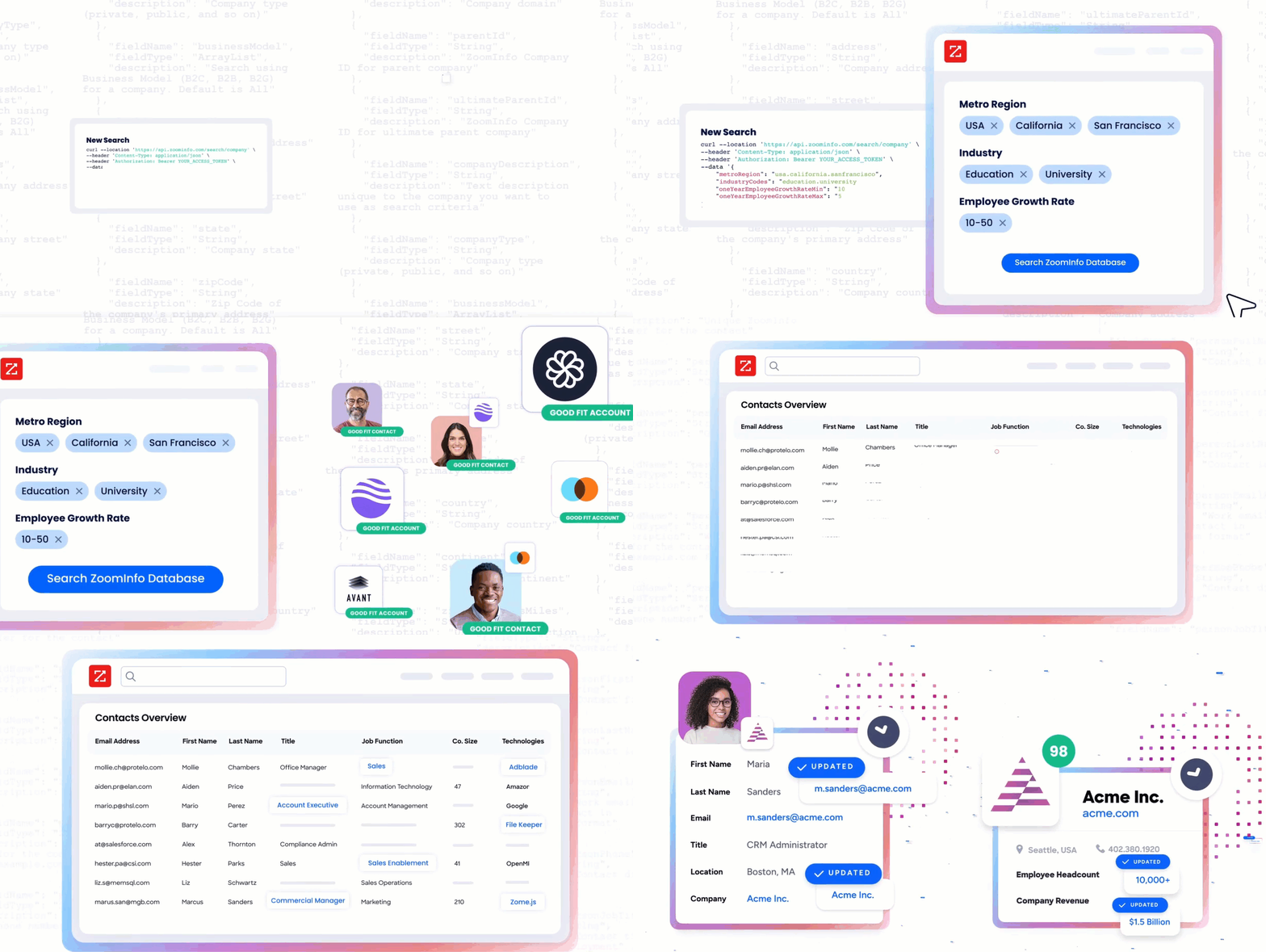
Brandwatch’s API tells you what the market is saying: mentions, sentiment, matters, and traits from social and shopper conversations. ZoomInfo’s API tells you who the folks and firms behind these conversations are: verified contact info, firm attributes, org charts, technographics, purchaser intent indicators, and AI-powered account intelligence.
Supply: ZoomInfo
The 2 APIs function at totally different layers of a market intelligence pipeline.
A developer constructing social listening right into a GTM workflow would use Brandwatch to seize what shoppers and opponents are saying, then use ZoomInfo to determine and attain the decision-makers on the corporations that matter.
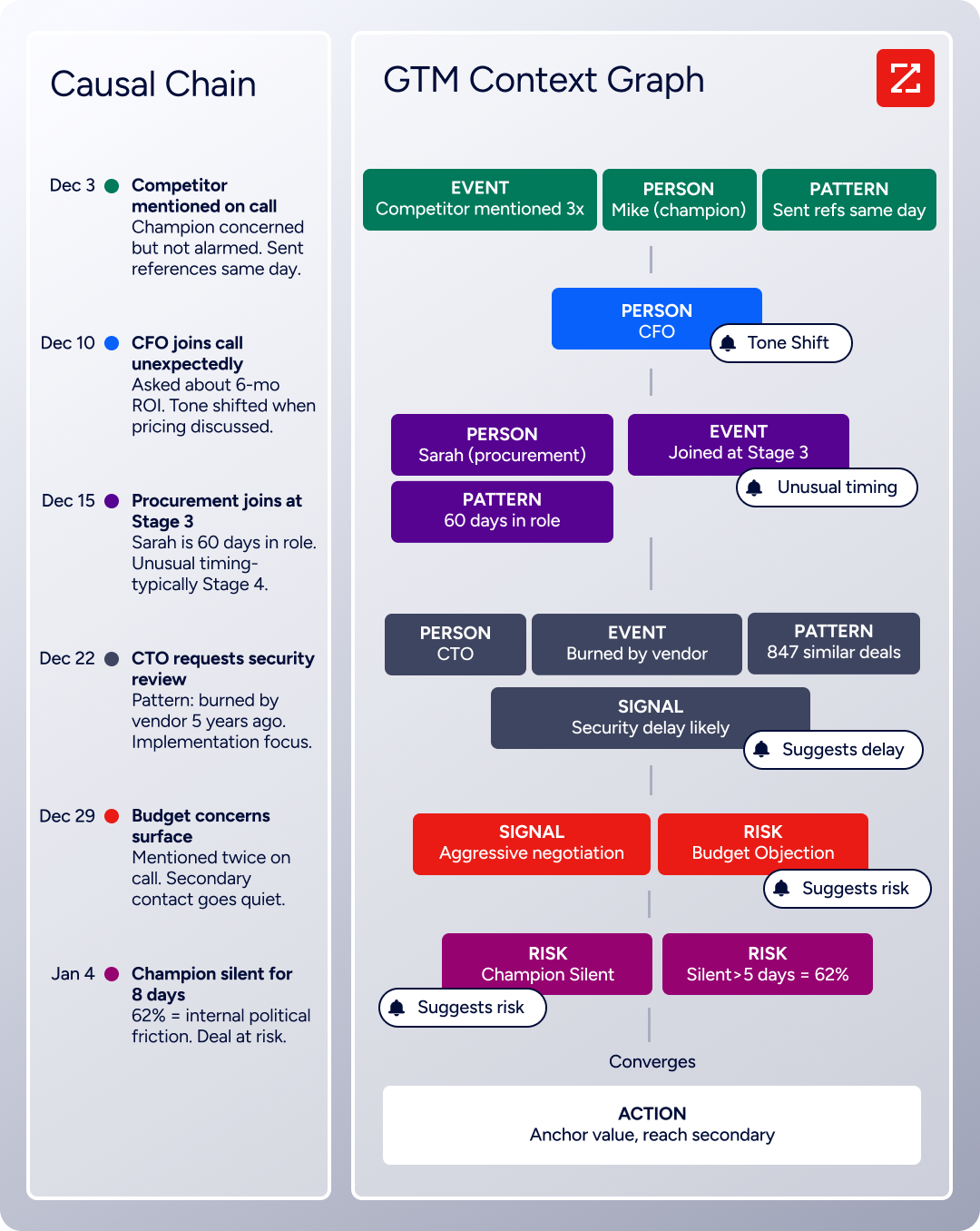
ZoomInfo’s GTM Context Graph processes 1.5B+ knowledge factors each day, combining B2B knowledge together with your CRM data and behavioral indicators to indicate which accounts to prioritize and why. That intelligence is accessible by means of the Enterprise API, the MCP server, the GTM Workspace for sellers, or GTM Studio for entrepreneurs and RevOps.
Supply: ZoomInfo
What the API Covers: Search, Enrichment & AI Intelligence
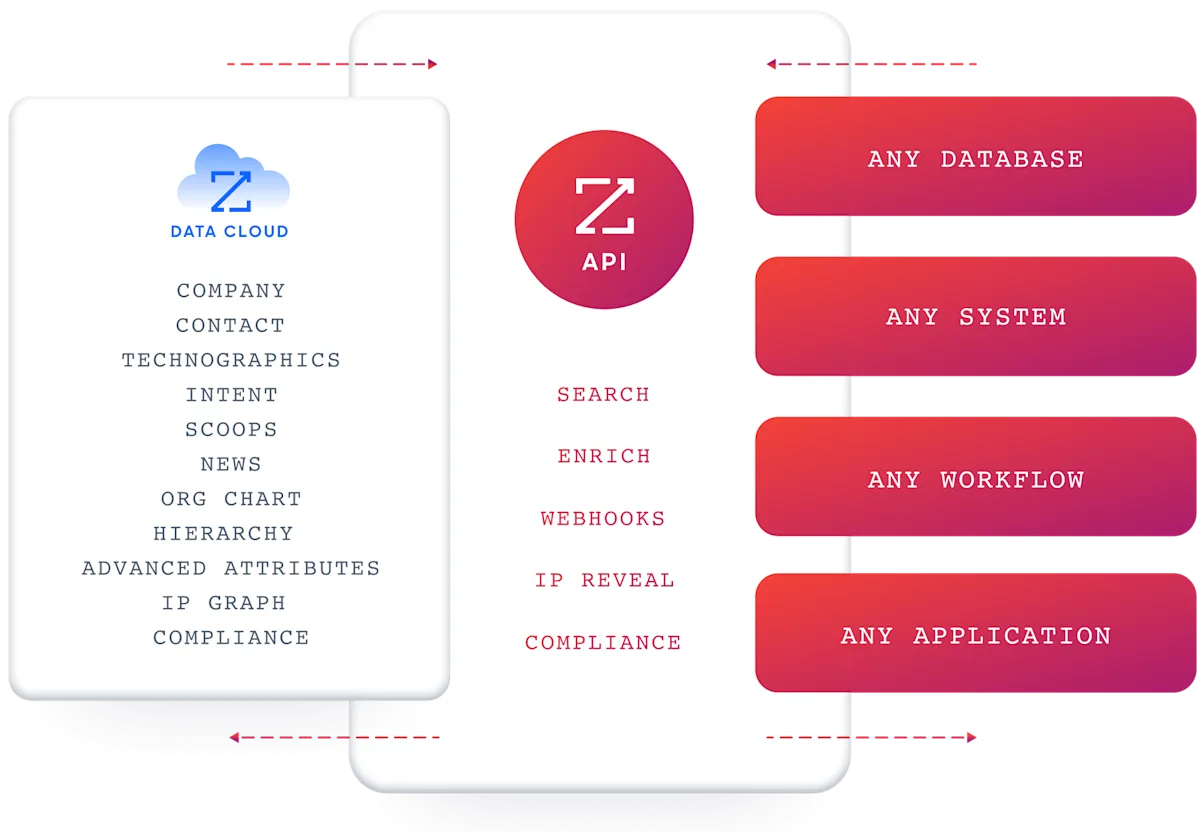
ZoomInfo’s Enterprise API is a REST suite served from https://api.zoominfo.com/gtm, organized into 4 areas documented within the interactive API reference.
Information API (Search & Enrich): Search endpoints cowl Contacts, Firms, Intent, Information, and Scoops, returning matched data with out consuming credit. Enrich endpoints return the total report: enterprise emails, direct dials, employment historical past, company hierarchy, org charts, technographics, and hashtag indicators (as much as 25 data per name). The search-then-enrich sample helps you to filter freely and pay just for the data you decide to. The underlying dataset spans 500M contacts, 100M corporations, 135M+ verified cellphone numbers, and 200M+ verified enterprise e mail addresses.
AI Intelligence API: These endpoints expose the intelligence capabilities behind GTM Workspace’s AI agent. Account Abstract returns structured account intelligence with a free-form Q&A endpoint. Discover Comparable Firms performs lookalike enlargement. Contact Suggestions returns AI-ranked buying-committee solutions by movement (prospecting, deal acceleration, renewals).
Advertising and marketing and Platform APIs: CRUD endpoints for viewers administration and bidirectional engagement knowledge through the Engagements API, presently in Beta.
Supply: ZoomInfo
The pairing with a social listening API is direct: use Brandwatch to floor which corporations and opponents are trending in shopper conversations, then use ZoomInfo’s search endpoints to search out the decision-makers at these corporations, enrich with verified contact knowledge, and activate outreach or promoting programmatically.
Authentication, Price Limits & Credit
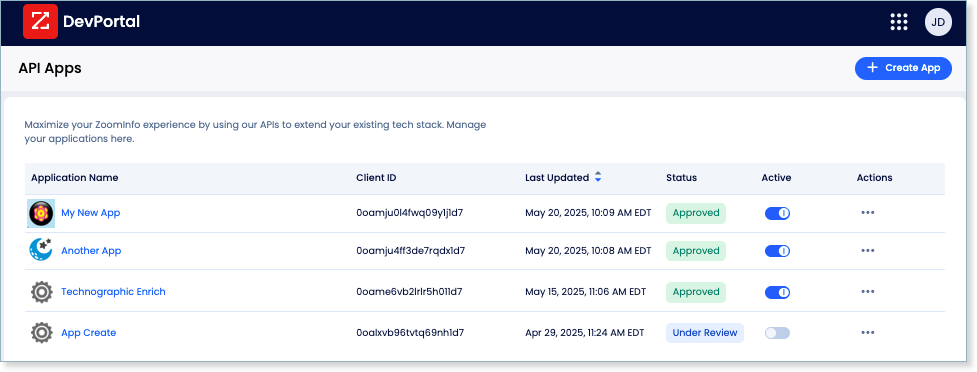
Authentication makes use of OAuth 2.0 with PKCE through Okta, issuing 24-hour entry tokens with rotating refresh tokens. Three flows are supported: Authorization Code with PKCE (net functions), Consumer Credentials (server-to-server), and Refresh Token. Register functions by means of the ZoomInfo Developer Portal, the place groups generate credentials, outline scopes, and take a look at endpoints.
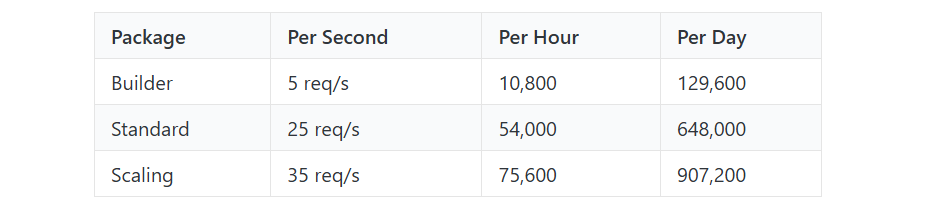
Price limits are revealed by tier: Builder (5 req/sec), Normal (25 req/sec), and Scaling (35 req/sec), with per-hour and per-day sliding-window limits enforced concurrently. Each response contains quota headers with remaining capability, and 429 responses embody a Retry-After header with actual backoff timing.
For comparability, Brandwatch’s Shopper Analysis API permits 30 requests per 10 minutes; ZoomInfo’s lowest tier permits 5 requests per second.
Supply: ZoomInfo
Credit comply with a rolling 12-month window: enriching a report for the primary time prices one credit score; re-enriching the identical report inside the 12 months is free. Search and lookup operations value nothing.
Webhooks, MCP & Developer Expertise
Webhooks can be found through the Brokers API, tied to ZoomInfo’s Agent Groups system. Occasion sorts cowl bulk enrichment jobs finishing, data altering, credit score utilization crossing thresholds, and new GTM indicators (scoops, funding occasions, intent spikes) turning into out there.
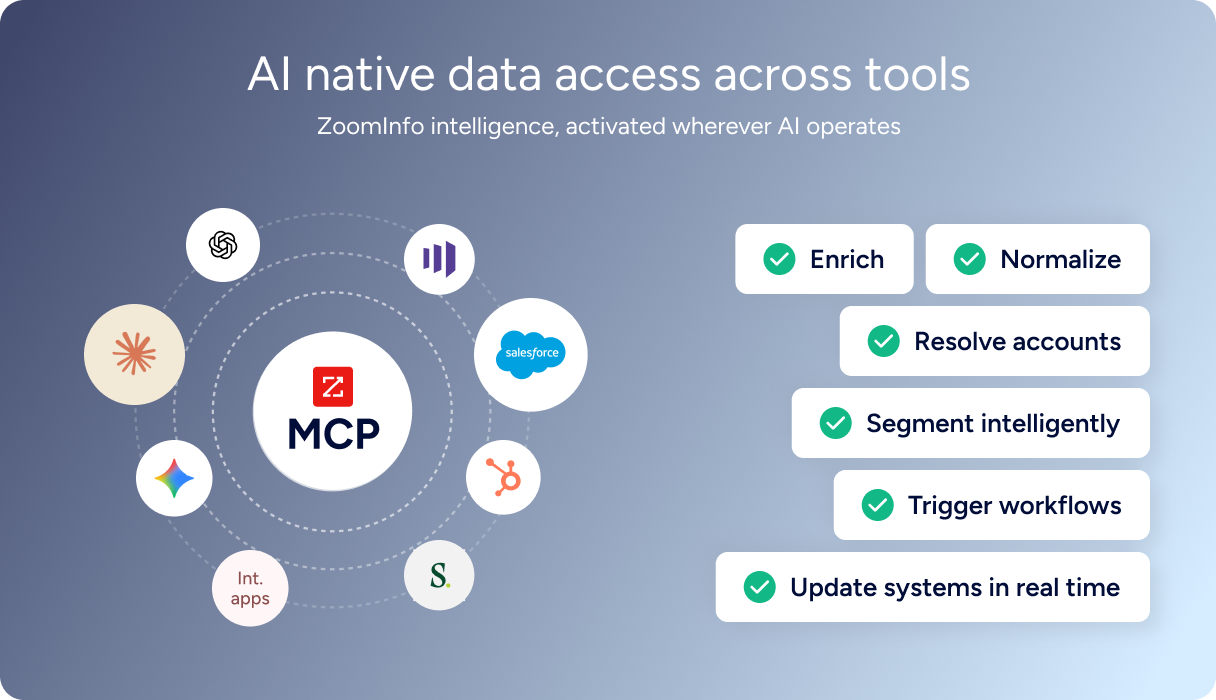
For builders constructing AI brokers, ZoomInfo’s MCP server at https://mcp.zoominfo.com/mcp exposes search, enrich, and account analysis as native instruments for MCP-compatible assistants, presently supporting Claude and ChatGPT. The credit score mannequin carries over from the REST API.
Supply: ZoomInfo
ZoomInfo publishes no official SDKs, so that you combine over HTTP and personal the auth and retry logic, identical as Brandwatch. The interactive API reference helps dwell testing, and a Docs MCP server lets AI improvement instruments generate integration code towards the API spec. Documentation is at docs.zoominfo.com. ZoomInfo prolonged API entry to all related plans in 2025. Pricing is consumption-based and custom-quoted.
BDO Canada reported an 87% discount in time spent updating inner knowledge dashboards utilizing the ZoomInfo API, with one analyst describing the combination as plug-and-play throughout any course of. (ZoomInfo)
Closing Verdict
Brandwatch’s API is a succesful platform for social listening and social media administration, cut up throughout two environments that collectively cowl mentions, sentiment analytics, matter discovery, {custom} knowledge ingestion, content material publishing, engagement, and aggressive benchmarking. The Shopper Analysis developer portal is public, actively maintained, and contains an OpenAPI index for AI tooling.
For a developer whose construct begins and ends with shopper intelligence, the API delivers what the platform does, programmatically.
Select the Brandwatch API if your pipeline is consumer-intelligence-first: ingesting social mentions right into a BI device, automating sentiment monitoring throughout manufacturers and opponents, importing proprietary knowledge for mixed evaluation, or constructing reporting on social media administration workflows. The 1.7-trillion-conversation archive and 44-language sentiment classification give the API a depth most social listening platforms can’t match.
Add the ZoomInfo API when your construct must act on what social listening surfaces: figuring out the decision-makers at corporations displaying up in model conversations, enriching contacts with verified emails and direct dials, detecting purchaser intent indicators, or powering AI brokers with account analysis. The 2 APIs are layers of the identical pipeline, and the mix helps you to transfer from “what’s the market saying” to “who ought to we discuss to about it” with out leaving your programmatic workflow.
Discover the ZoomInfo Enterprise API or begin with the developer docs to see the endpoints for your self.
A developer whose construct is solely B2B knowledge (contact enrichment, firm firmographics, purchaser intent) with no social listening requirement shouldn’t construct on Brandwatch’s API. That knowledge area is just not what this platform covers, no matter how succesful Brandwatch is inside its personal scope.
FAQ
Is the Brandwatch API free?
No. Brandwatch affords no free tier, developer sandbox, or self-serve API entry. All API entry requires an energetic paid subscription: Shopper Analysis APIs want a Shopper Analysis plan, and SMM APIs want an Account Supervisor to allow entry below separate phrases. Pricing is enterprise-negotiated, and you can’t take a look at endpoints with out buying a subscription first.
Does Brandwatch have a GraphQL API?
No. Each API environments are REST over HTTPS, returning JSON. The Shopper Analysis API is predicated at https://api.brandwatch.com, and the SMM APIs are documented at falconio.docs.apiary.io. In case you want a GraphQL interface for social listening knowledge, you would want to construct a wrapper on prime of the REST API.
What’s the Brandwatch API charge restrict?
The Shopper Analysis API enforces a default of 30 requests per 10-minute rolling window, utilized per shopper. Exceeding this triggers a 429 response. Every response contains x-rate-limit and x-rate-limit-used headers so you possibly can observe your place within the window. Greater limits could also be out there below enterprise agreements, however solely the default is revealed. SMM API charge limits are within the Apiary reference however not reproduced within the public assist heart.
Are there official Brandwatch SDKs?
No. Brandwatch publishes no official SDKs for any language or API setting. A Python shopper library (bcr-api) exists on GitHub below the BrandwatchLtd group, with 344+ commits and a demo pocket book, however Brandwatch labels it unofficial and unsupported. No SDK exists for the SMM APIs. All integrations require direct HTTP requests.
Does the Brandwatch API help webhooks?
Partially. The SMM APIs help webhooks with 4 occasion matters, all scoped to Publish actions (marketing campaign creation, submit creation, draft creation, and inventory merchandise occasions). Webhooks are configured by means of the admin dashboard and require a verification step. The Shopper Analysis API has no webhook help. Builders who must detect new mentions should ballot the mentions endpoint on a schedule.
Can I take advantage of Brandwatch and ZoomInfo APIs collectively?
Sure, and the mix covers two distinct layers of a market intelligence pipeline.
Brandwatch’s API delivers social listening knowledge: mentions, sentiment, matters, and shopper dialog analytics from 1.7 trillion historic conversations. ZoomInfo’s API delivers B2B intelligence: verified contacts, firm knowledge, org charts, technographics, and purchaser intent indicators throughout 500M contacts and 100M corporations.
A sensible construct would use Brandwatch to floor which corporations and matters are trending in shopper conversations, then use ZoomInfo to determine and enrich the decision-makers at these corporations for outreach or promoting. The 2 APIs use totally different authentication fashions (OAuth 2.0 password grant vs. OAuth 2.0 with PKCE) and totally different knowledge domains, so plan the combination layer to deal with each.

