

At this level, we’re nicely conscious that capital markets are shifting from testing blockchain to deploying it in manufacturing.
On the September Secure Gathering in New York Metropolis, hosted by Secure Summit in partnership with Microsoft and the Enterprise Ethereum Alliance, leaders from TradFi and DeFi got here collectively to debate how blockchain is reshaping capital markets by way of tokenization, collateral administration, and real-world belongings (RWAs).
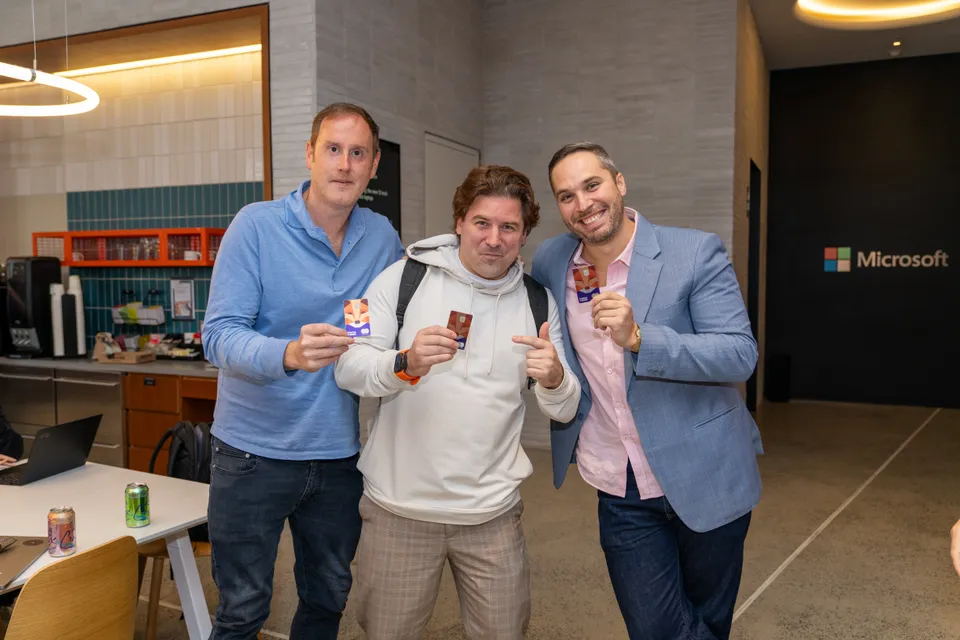
The dialog, moderated by Redwan Meslem, featured Otto Nino (DTCC), Alexandra Prager (J.P. Morgan / Kinexys Labs), Colin Cunningham (Chainlink Labs), and Teddy Pornprinya (Plume Community). Every speaker shared how their establishments are turning blockchain ideas into measurable enterprise outcomes.
Institutional-Grade Tokenization
DTCC’s Otto Nino defined how the worldwide clearing and settlement spine is modernizing by way of programmable settlement.
The target is evident: transfer from T+1 towards T+0 whereas embedding danger controls and margin administration instantly into belongings. This shift reduces operational friction, improves capital effectivity, and preserves the identical regulatory self-discipline markets depend on right now.
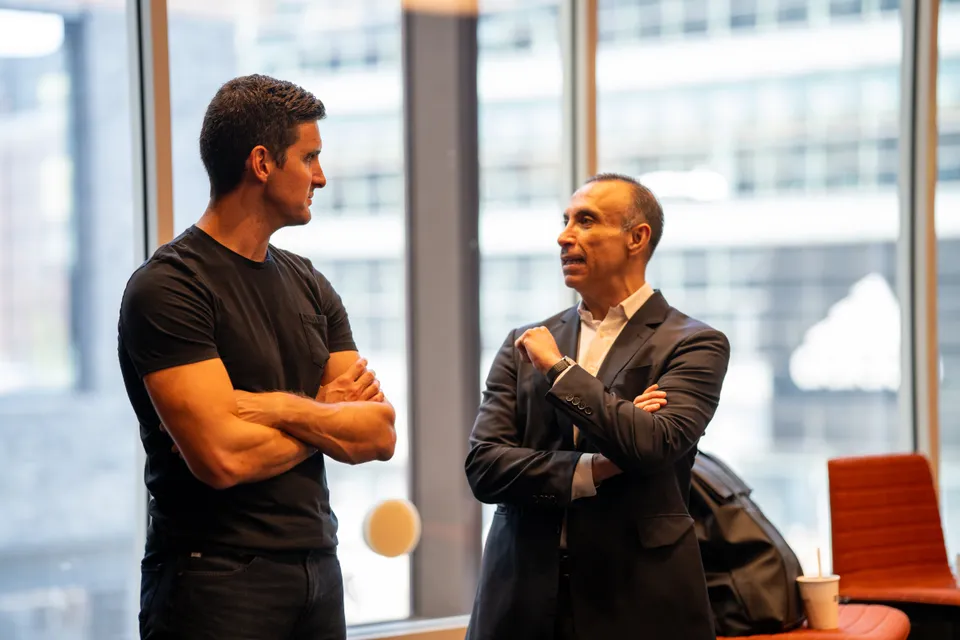
As Otto famous, success is dependent upon dual-format optionality, permitting belongings to maneuver between conventional and tokenized codecs with out breaking compliance.
From Pilots to Manufacturing
J.P. Morgan’s Alexandra Prager described how tokenization is leaving the proof-of-concept stage and getting into full manufacturing.Blockchain workflows should ship on the identical benchmarks as present techniques – velocity, safety, and reliability – and so they should really feel acquainted to customers.
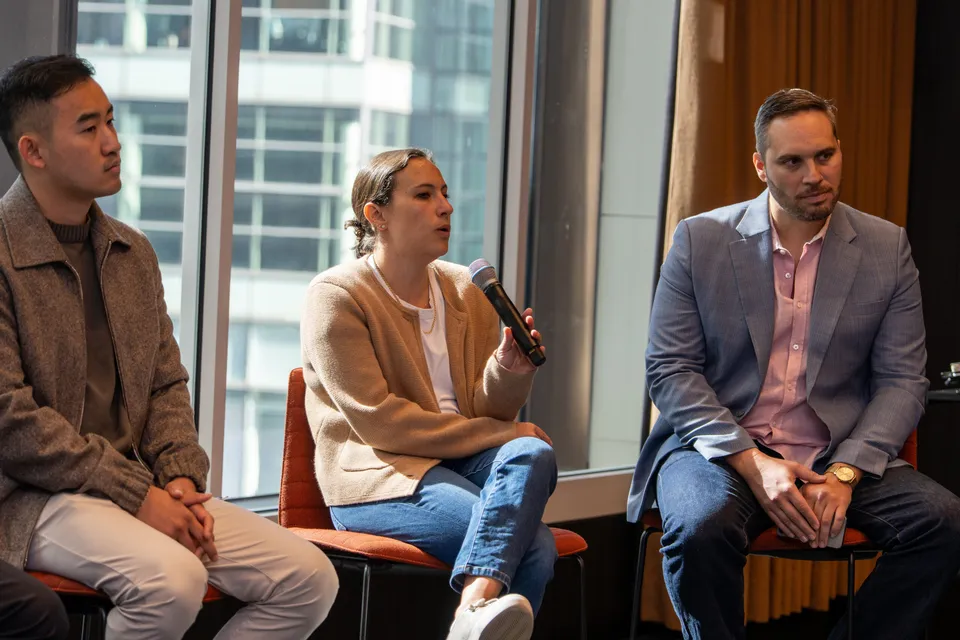
“Everybody must do it on the identical price. You may have some organizations which can be very future-forward, but when half the market remains to be on legacy techniques, you may’t obtain the transition,” she defined, emphasizing that true adoption is dependent upon coordination throughout market contributors.
Her takeaway – institutional adoption hinges as a lot on human design and collective progress because it does on technical efficiency.
Infrastructure and Coordination
Colin Cunningham from Chainlink Labs pointed to rising momentum in tokenized deposits, stablecoins, and cash market funds – the primary actual use circumstances gaining institutional traction.
He highlighted Ethereum’s Layer 2s as a pure bridge for institutional capital, combining liquidity, established requirements, and compliance-ready infrastructure.
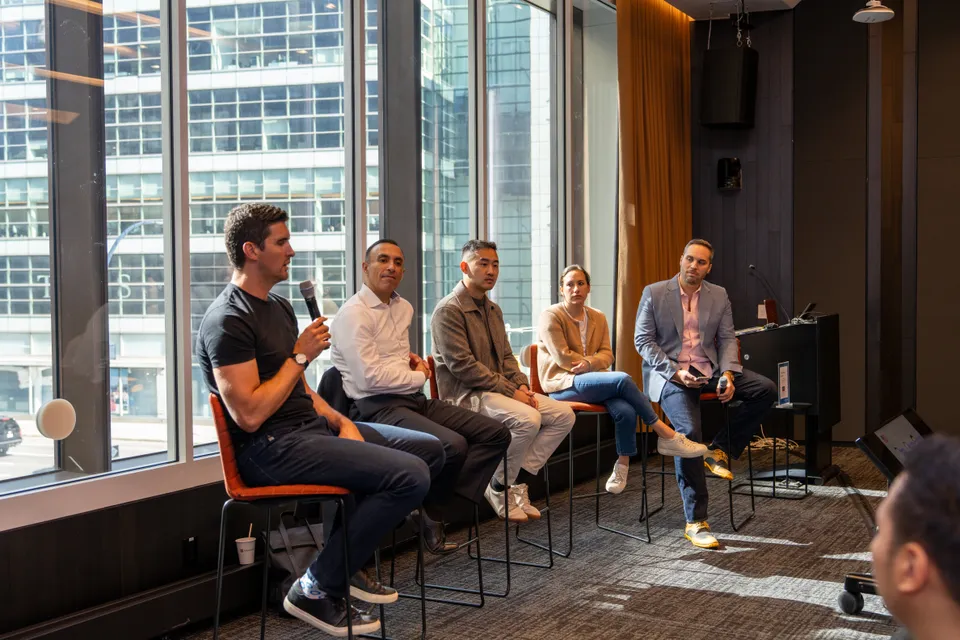
“My metric has all the time been web new capital on-chain. What I’m extra involved in is when new belongings are issued on-chain, now we have web new actors with web new capital that was historically off-chain coming on-chain,” he shared, noting that sustainable success is dependent upon recent inflows and actual utility quite than short-term incentives.
Compliance and Distribution
Teddy Pornprinya from Plume Community showcased how compliance and distribution are converging. Plume integrates AML and KYC mechanisms instantly on the protocol degree, making a secure surroundings for conventional contributors.
“The concept that DeFi is the Wild West is completely false. You may construct ecosystems the place conventional gamers can nonetheless really feel secure on open blockchains with compliance inbuilt from day one,” he stated, difficult lingering misconceptions about DeFi’s danger profile.
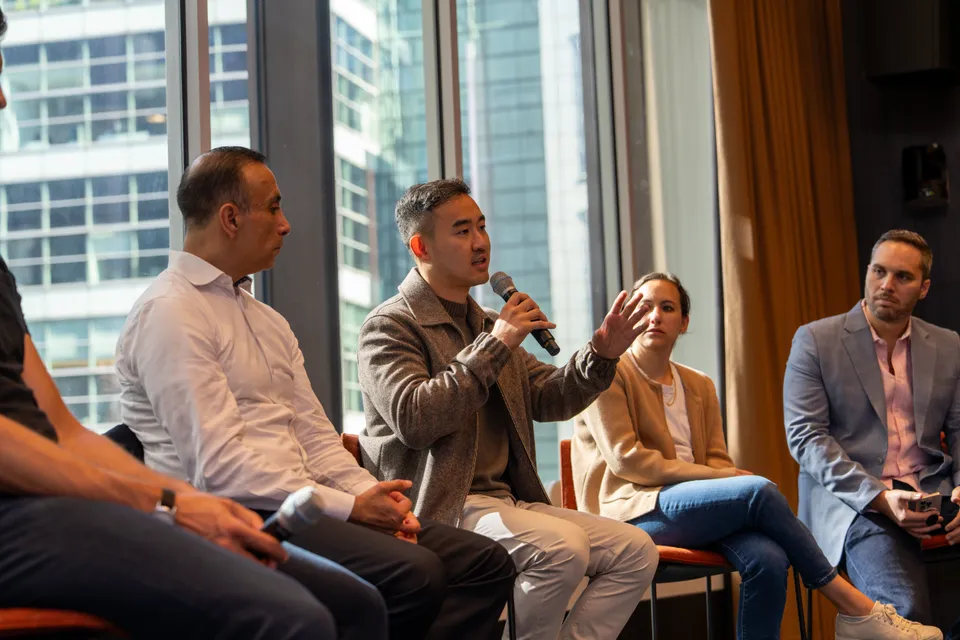
In Teddy’s opinion, adoption is dependent upon entry as an alternative of pure hypothesis. Partnerships with custodians, exchanges, and platforms like OKX Earn and Alibaba’s Web3 pockets are turning tokenized belongings into investable merchandise for mainstream audiences.
Outlook
Yorke Rhodes from Microsoft and the EEA closed by noting that AI is accelerating blockchain growth cycles, pushing innovation to reach “5 occasions sooner” than earlier than.
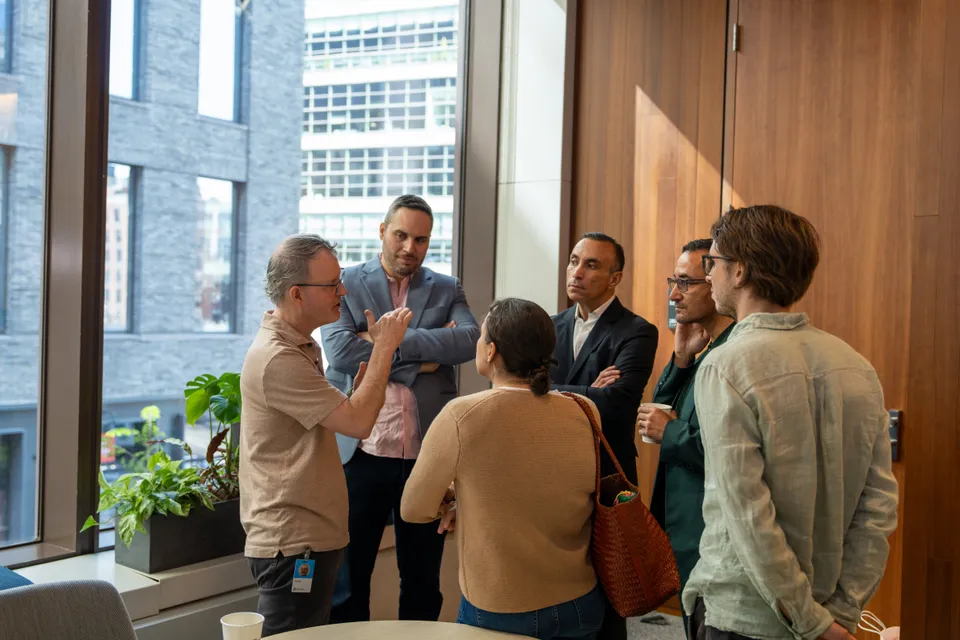
The session made one level unmistakable: Ethereum’s maturing infrastructure, its L2 scalability, compliance frameworks, and interoperability proceed to anchor institutional-grade tokenization.
The subsequent collateral layer of worldwide finance is being constructed, piece by piece, on open rails.
***
To remain knowledgeable about upcoming EEA occasions and neighborhood discussions, observe our Luma web page: https://lu.ma/eea.eth

