
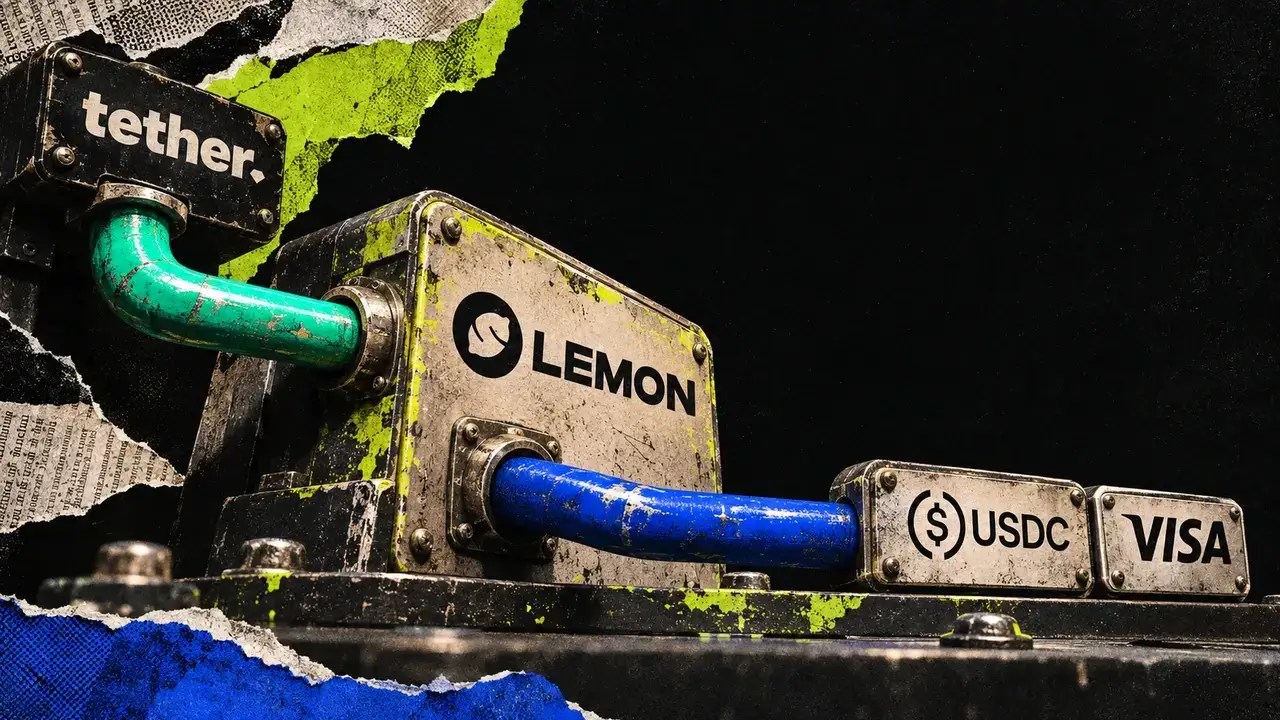
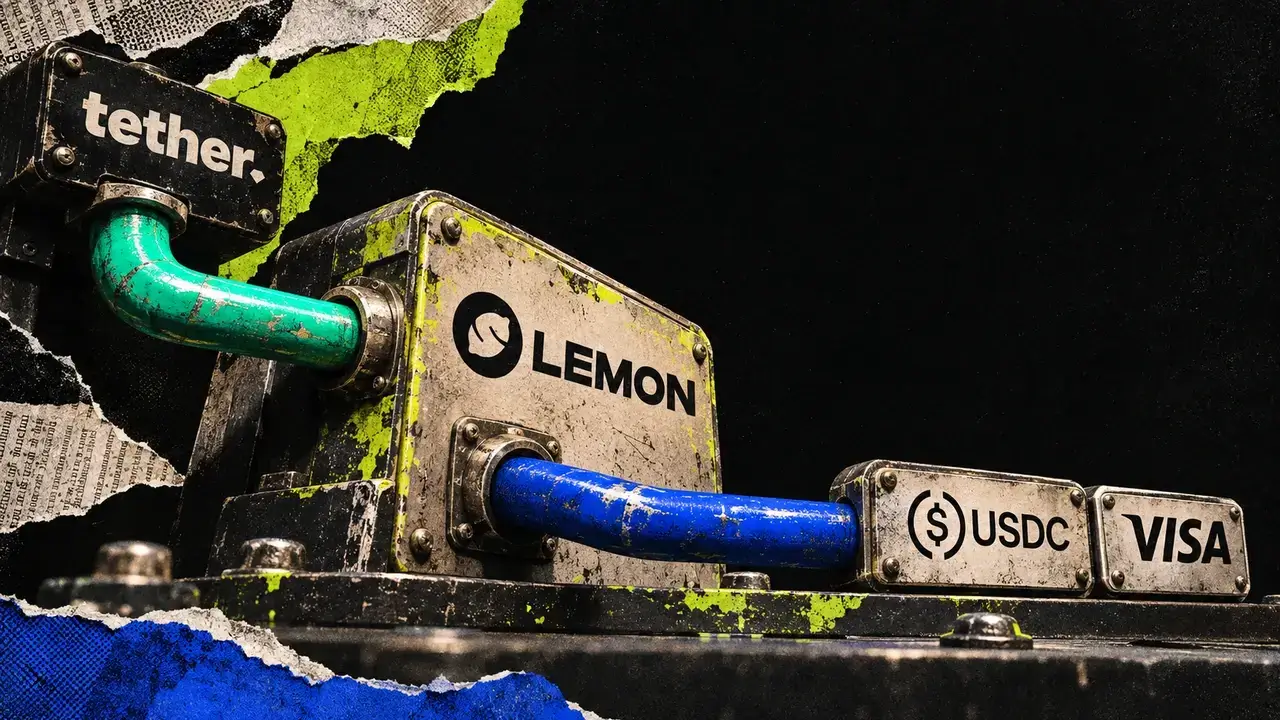
Tether introduced the funding in Argentinian fintech Lemon on Nov. 25 and mentioned it aimed to develop using USDT and its tokenized gold, XAUT, in Latin America.
CEO Paolo Ardoino mentioned folks within the area are utilizing USDT to receives a commission, spend, and ship cash throughout borders.
Lemon prospects can preserve the stablecoin within the app, ship it to an Argentine financial institution, or spend it from their stability. Lemon’s April Visa rollout confirmed how Circle’s USDC can transfer between the businesses dealing with a card buy.
The fintech CEO Marcelo Cavazzoli advised Forbes Argentina the $14.5 million bundle contains $5 million in fairness and $9.5 million in incentives to develop merchandise collectively.
Lemon’s June Digital Greenback information describes a single stability that routinely brings collectively USDT, USDC and USDS on a one-for-one foundation. The fintech’s deposit charge information says switch costs can scale back the quantity credited, and the change charge might change by the point Bridge, its supplier, converts the funds.
To withdraw to a financial institution, prospects enter the account quantity for an Argentine greenback account in their very own identify. Lemon reveals an estimated payout, and the switch arrives as financial institution {dollars}.
The conversion charge can change whereas the switch is being processed, and customers sending cash to a crypto pockets can select the receiving token and community. Lemon handles the conversion in the event that they select USDC or USDS.
Select how the stability is used
Argentina’s Visa pay as you go card for foreign-currency purchases.
The shopper receives {dollars} in their very own Argentine checking account.
Financial institution transfers, app balances and card settlement can use completely different types of {dollars}.
For the cardboard route, the present Visa settlement asset and the payout foreign money for particular person retailers stay unconfirmed.
Tether invests in fintech utilizing USDC for funds
On April 21, Lemon introduced that worldwide purchases on its bodily and digital Visa pay as you go playing cards in Argentina would settle in Circle’s USDC, whether or not the cardholder paid from pesos, digital {dollars}, or one other asset.
In Visa’s normal mannequin for direct stablecoin settlement, an issuer can pay Visa in a supported token, and Visa’s custodian converts the funds to fiat to pay retailers.
Lemon’s June card information lists a cost of 1 Tether’s USDT per US greenback for normal foreign-currency purchases funded from the app’s Digital Greenback stability. Funding with Ethereum or Bitcoin carries a 0.3% fee.
A buyer beginning with pesos pays a 0.5% fee and buys USDT at 3.5% above the in-app worth.
The pay as you go card phrases say foreign-currency purchases settle with the fee processor in a reference asset that may change. The June information describes the USDT prospects spend or purchase to fund purchases.
Lemon reported greater than 151,000 worldwide Lemon Card purchases throughout Argentina’s 2026 winter holidays, up 61% from the prior winter vacation interval.
Cavazzoli advised Forbes Argentina that greater than 85% of the amount shifting by means of Lemon was in native currencies akin to Argentine pesos, Peruvian soles and Colombian pesos.
The Argentine central financial institution counted 791.6 million immediate peso transfers despatched and 122.8 million peso funds initiated by means of interoperable QR codes nationwide in September. Lemon’s greenback stability sits alongside a peso community that folks already use at scale for transfers and purchases.
For Tether, the chance is the stability prospects can preserve between a deposit and their subsequent switch or buy. The worth of that place is determined by how a lot prospects preserve in USDT between transactions, a determine the cardboard and peso fee counts go away open.

