
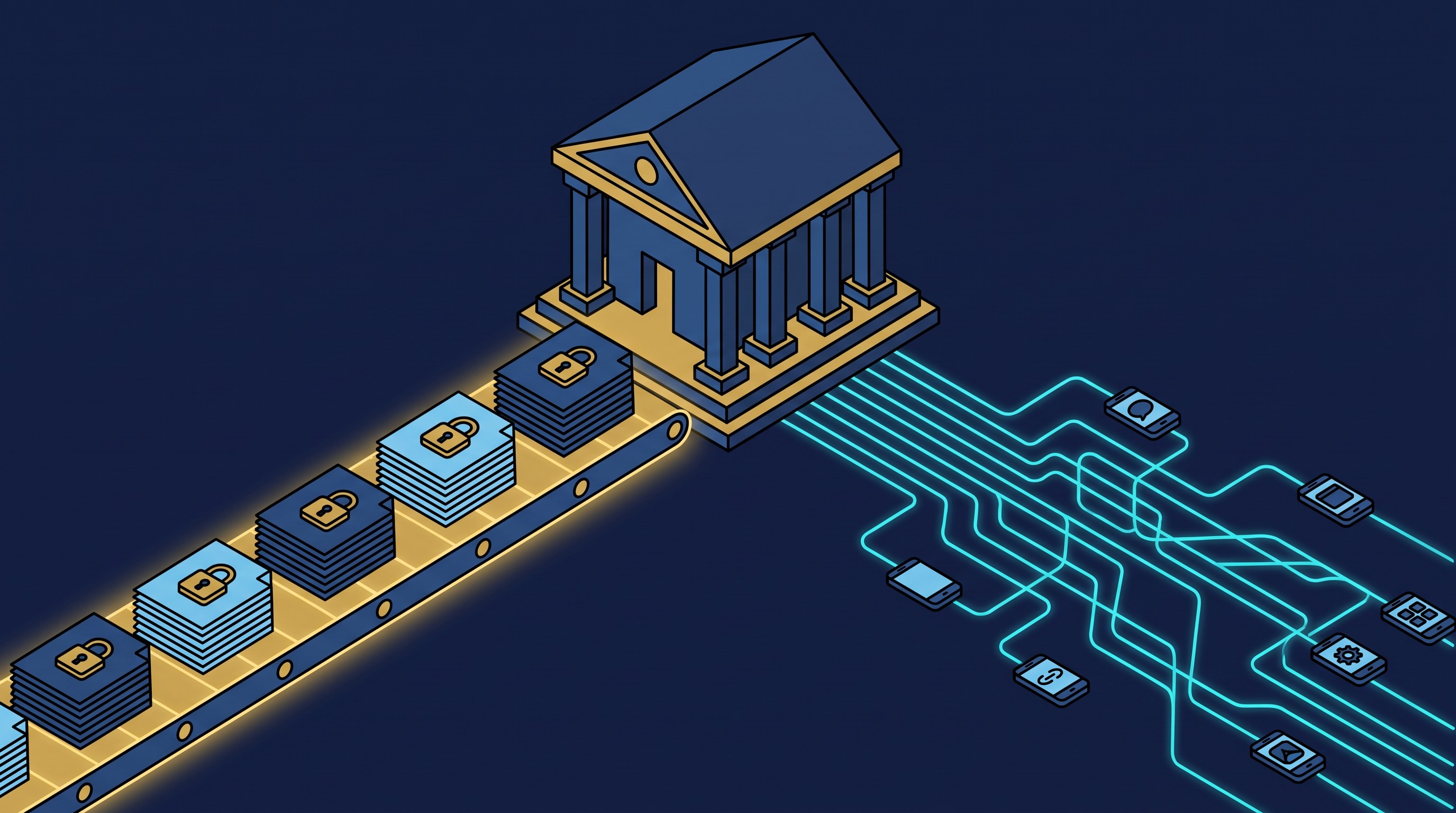
Each few months, somebody on LinkedIn declares that APIs will kill EBICS. The argument sounds convincing: PSD2 pressured each financial institution within the EU to open an interface to 3rd events, so why would a treasurer nonetheless use a file-based protocol designed in Germany within the mid-2000s? But in 2026, EBICS is just not shrinking. It has simply gone via a significant model improve, and German banks at the moment are counting right down to a format deadline on 15 November 2026. Each requirements are alive as a result of they remedy totally different issues.
Two interfaces, two jobs
EBICS (Digital Banking Web Communication Normal) is a direct channel between an organization and its financial institution. It’s utilized in Germany, France, Switzerland and Austria, and it carries the heavy lifting of company treasury: bulk SEPA funds, direct debit information, account statements in ISO 20022 codecs, and distributed digital signatures, the place one individual uploads a cost file and two authorised signatories launch it later. The corporate owns the connection. There isn’t a third celebration in between except the corporate chooses one.
PSD2 solved a special drawback. It gave licensed third events, account data and cost initiation suppliers, a authorized proper to entry shopper and enterprise accounts via the financial institution’s API, with the shopper’s consent and powerful buyer authentication. That opened the door for budgeting apps, pay-by-bank checkouts and accounting integrations. It was by no means designed for a treasurer who must ship 20,000 wage funds with twin approval.
Put facet by facet, the distinction is evident:
- Who connects: EBICS connects an organization immediately with its financial institution. PSD2 connects a licensed third celebration with the shopper’s financial institution.
- Typical consumer: EBICS serves corporates, the Mittelstand and repair suppliers performing on their behalf. PSD2 serves shoppers, small companies and the fintechs constructing for them.
- Authorized foundation: EBICS is a contract between financial institution and buyer. PSD2 entry is a statutory proper.
- Quantity: EBICS is constructed for bulk information. PSD2 APIs are constructed for particular person funds and account information.
- Authorisation: EBICS makes use of bank-issued keys and multi-person signatures. PSD2 depends on robust buyer authentication within the financial institution’s personal app or web site.
EBICS is modernising, not retiring
EBICS 3.0, obtainable since November 2018, changed the separate German, French and Swiss variants with a single European customary. It launched Enterprise Transaction Codecs as an alternative of cryptic order varieties, X.509 certificates with at the very least 2048-bit keys, and XML-based buyer protocols that machines can learn reliably. German banks started winding down EBICS 2.5 in late 2025.
The following deadline is about content material, not transport. From 15 November 2026, the German banking trade will now not course of cost orders in legacy codecs akin to DTAZV and older ache.001, ache.008 and ache.007 variations, and the brand new guidelines on structured addresses apply. The DK notes that this additionally impacts orders submitted earlier with an execution date on or after the cut-off. For a lot of firms, that could be a larger IT mission than the protocol change was.
PSD3 and the PSR repair open banking, however don’t widen it
The EU’s subsequent funds package deal reached a provisional settlement in November 2025, and the ultimate compromise texts have been circulated in April 2026. Formal adoption remains to be pending, and most guidelines are anticipated to use round 2028.
The adjustments goal PSD2’s well-known weak spots. Financial institution APIs should carry out in addition to the financial institution’s personal buyer channels, measured in opposition to harmonised indicators. Clients will get a dashboard to see and revoke third-party entry. Title-to-IBAN matching turns into obligatory for credit score transfers, and victims of financial institution impersonation fraud achieve stronger refund rights. These are actual enhancements for shopper open banking. None of them turns a PSD2 interface into a company treasury channel. The US is taking a special path: there, banks akin to JPMorgan have began charging fintechs for information entry.
FiDA was the bridge. It simply bought shorter.
The one regulation that would have pushed open information into company banking is the Monetary Knowledge Entry Regulation (FiDA). After negotiations stalled in June 2025, the Fee printed a revised proposal in April 2026. The brand new model is intentionally narrower: massive corporates are among the many segments carved out, historic information necessities shrink, and the rollout is phased over roughly 4 years. For company banking, the message is evident. There might be no regulatory mandate to interchange direct financial institution channels any time quickly.
What this implies for builders
- Serving corporates? Plan for EBICS, not as an alternative of APIs however subsequent to them. Treasury, ERP and payroll use circumstances nonetheless depend upon it.
- Serving shoppers and small companies? PSD3 and the PSR will make APIs extra dependable and fraud guidelines stricter. Price range for the brand new dashboard and legal responsibility guidelines now.
- Watch the codecs. ISO 20022 adjustments and structured addresses will trigger extra failed funds within the coming months than any protocol debate.
EBICS versus PSD2 was all the time a false duel. Europe has one rail the place the shopper holds the keys and one the place regulated third events get entry on the shopper’s behalf. That cut up additionally issues for a broader query the trade is asking proper now: who controls monetary information and infrastructure in Europe? We have a look at that in our piece on information sovereignty in European fintech.
FAQ: EBICS vs. PSD2
What’s EBICS?
EBICS (Digital Banking Web Communication Normal) is a direct channel between an organization and its financial institution, utilized in Germany, France, Switzerland and Austria. It carries bulk SEPA funds, direct debit information, ISO 20022 account statements and distributed digital signatures, and the corporate owns the connection.
What’s the distinction between EBICS and PSD2?
EBICS connects an organization immediately with its financial institution underneath a contract, constructed for bulk information and multi-person signatures. PSD2 offers licensed third events a statutory proper to entry buyer accounts via the financial institution’s API, with consent and powerful buyer authentication, constructed for particular person funds and account information.
What adjustments for German cost codecs on 15 November 2026?
From 15 November 2026, the German banking trade will now not course of cost orders in legacy codecs akin to DTAZV and older ache.001, ache.008 and ache.007 variations, and new guidelines on structured addresses apply. This additionally impacts orders submitted earlier with an execution date on or after the cut-off.
Will PSD3 and the PSR substitute EBICS?
No. PSD3 and the PSR enhance shopper open banking with better-performing financial institution APIs, a dashboard to revoke third-party entry, obligatory name-to-IBAN matching and stronger fraud refund rights. None of those turns a PSD2 interface into a company treasury channel, and most guidelines are anticipated to use round 2028.
What does the revised FiDA proposal imply for company banking?
The revised Monetary Knowledge Entry Regulation proposal from April 2026 is narrower, with massive corporates among the many segments carved out and a phased rollout over roughly 4 years. There might be no regulatory mandate to interchange direct financial institution channels any time quickly.

