Key Takeaways
- Trezor mentioned it acquired no experiences of buyer funds misplaced to the implants.
- Firmware 2.13.1 can not safe restoration phrases captured earlier than set up.
- Alternative eligibility covers CryptoBilis purchases from March onward.
Trezor Particulars Firmware and Reseller Modifications
{Hardware} pockets maker Trezor mentioned on Nov. 12 that three Protected 5 units purchased from CryptoBilis, a former licensed reseller in Southeast Asia, contained unauthorized {hardware} implants. Its weblog put up on the investigation detailed a firmware replace and stricter distribution controls. Model 2.13.1, launched Nov. 11, prevents the recognized implants from capturing data by updating the software program that runs the gadget, the corporate mentioned.
All three affected units had been purchased between Aug. 20 and Sept. 23 by way of CryptoBilis straight or through its Tokopedia and Shopee shops. Trezor examined the first reported Protected 5 implant in its laboratory and recognized two others from house owners’ images. Forty-eight prospects had contacted the corporate, which was checking their units in its lab or by way of inner images.
The corporate said:
“Now we have lower our reseller community by about 80%.”
Its reseller discount plans emerged in October, and Trezor now describes the eliminated companions as reliable and posing no fast menace. Remaining sellers should meet stricter necessities governing sourcing, storage, and entry to units.
Hidden Boards Captured Pockets Secrets and techniques
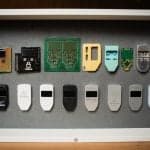
Contained in the Protected 5, the unauthorized implant sits between the display and important board, the gadget’s main circuit board connecting digital parts. It copies displayed data with out altering the firmware or Safe Component, a devoted safety chip, in line with Trezor’s evaluation. The added board information restoration phrases throughout pockets creation or restoration, plus displayed passphrases, that are optionally available additional secrets and techniques used to entry separate wallets.
The implant encrypts what it captures and sends it over a cell community to a server run by the attackers. And not using a sign, it holds the info and retains retrying till the switch goes by way of. Trezor mentioned the implant works the identical manner as these present in some Ledger units. In Ledger’s case, attackers purchased real units, modified them, and put them again on sale by way of resellers in Southeast Asia.
Ledger had confirmed an unauthorized {hardware} implant in an affected buyer’s pockets in October. Trezor’s findings remained restricted to Protected 5 units purchased from CryptoBilis. Checks of different regional resellers’ units discovered no tampering, and the corporate reported no confirmed implants in different fashions.
CryptoBilis Patrons Nonetheless Want New Wallets
Though the replace blocks seize by the recognized implants, beforehand uncovered pockets backups stay compromised. Trezor continued advising CryptoBilis consumers to switch funds to newly created wallets, since changing {hardware} whereas reusing the identical restoration phrase leaves that publicity intact. Homeowners of suspected tampered units had been instructed to retain them and keep away from setup or use pending help steering.
Alternative eligibility covers each mannequin bought from CryptoBilis from March onward. Delivery restrictions could require a special mannequin with a refund of the value distinction, supply to a different nation, or a refund. Clients had been requested to rearrange replacements by way of official Trezor Help, with unsure consumers additionally inspired to confirm their gadget’s origin.
Scammers may impersonate employees providing replacements or refunds, Trezor warned, reiterating that it by no means requests restoration phrases. The corporate continued working with SEAL 911, the Safety Alliance’s emergency response service for cryptocurrency incidents. It additionally pledged a reward for the shopper who first reported the implant.